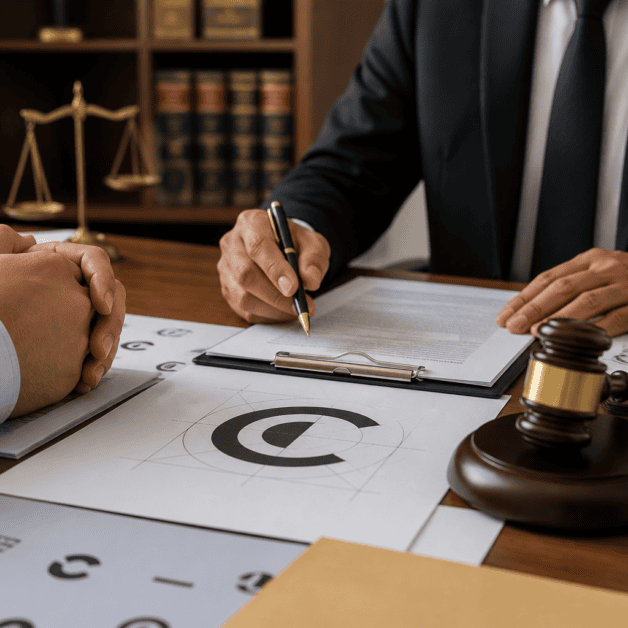
Copyright registration

Explore comprehensive resources about the process of securing legal protection for intellectual property under this tag. Visitors will find informative content on filing procedures, benefits, and legal implications of registering creative works, featuring insights from experienced intellectual property attorneys. Enhance your understanding of copyright law through expert interviews, detailed articles, and essential legal definitions.

The Confidential Informant – AKA "The Snitch": How Informants Impact Criminal Cases

How to Protect Your Artwork in Los Angeles: Copyright Registration, Licensing Contracts, and DMCA Takedowns Explained

Copyright protection in Los Angeles begins the moment your work is “fixed” in a tangible medium—but federal registration is typically required before you can file an infringement lawsuit. LA’s art economy (galleries, film/TV, fashion, digital creators) makes licensing and online enforcement a daily issue. This guide explains copyright registration, smart licensing contracts, and DMCA takedowns […]

How to Protect Your Artwork in Los Angeles: Copyright Registration, Licensing Contracts, and DMCA Takedowns Explained Read More »

Protecting Creative Works: Insights into Copyright Registration

What Makes a Copyright Application Strong?

A strong copyright application includes accurate author/claimant details, a proper deposit copy, and a clear work description, and it’s typically processed in about 3–8 months. Complete, consistent filings reduce refusals and help secure enforceable rights and statutory damages eligibility. This article covers the key elements, common mistakes, and best practices for copyright registration services. In

What Makes a Copyright Application Strong? Read More »

Safeguarding Innovations with IP Law Expertise

Intellectual Property Lawyer: Protecting Your Creative Assets

An intellectual property lawyer typically handles 4 core protections: patents, trademarks, copyrights, and trade secrets. They secure registrations, draft and negotiate licenses, and enforce rights in disputes to prevent infringement and preserve value. This article explains what IP lawyers do, when to hire one, and how they protect and monetize creative assets. The role of

Intellectual Property Lawyer: Protecting Your Creative Assets Read More »

Legal Defense for Digital Creators

Copyright Infringement: Protecting Your Work Online

Copyright infringement online happens when someone reproduces, distributes, displays, or posts your original work without permission, and you can demand removal and pursue damages under U.S. law. Common examples include reposted photos, copied website text, and unauthorized use of videos or music on social media and marketplaces. This article explains how to spot infringement, preserve

Copyright Infringement: Protecting Your Work Online Read More »

Safeguard Your Creative Assets Legally

Intellectual Property 101: Protecting Your Creative Assets

Intellectual property is protected through four main legal tools: copyrights, trademarks, patents, and trade secrets. The right option depends on what you created and how it’s used or disclosed. This article explains each protection type, key filing and enforcement steps, and practical strategies for safeguarding creative assets in 2025. The protection of intellectual property is

Intellectual Property 101: Protecting Your Creative Assets Read More »

Guide to Copyrighting Art

How do I copyright my creative work?

In the U.S., your creative work is copyrighted automatically the moment it’s fixed in a tangible form, but federal registration with the U.S. Copyright Office is required before you can file an infringement lawsuit and may unlock statutory damages and attorney’s fees. Registration also creates a public record and can strengthen your enforcement options. This

How do I copyright my creative work? Read More »

Copyright Laws Explained: Key Legal Protections and Resources for Creators

Understanding Copyright Laws: Essential Legal Information for Creators and Businesses

Copyright automatically protects an original work the moment it’s fixed in a tangible form—no registration required. That protection generally gives the owner exclusive rights to reproduce, distribute, display, perform, and create derivatives, though registration can strengthen enforcement and unlock statutory damages in the U.S. This article explains what qualifies for copyright, who owns it, key

Understanding Copyright Laws: Essential Legal Information for Creators and Businesses Read More »

Scroll to Top