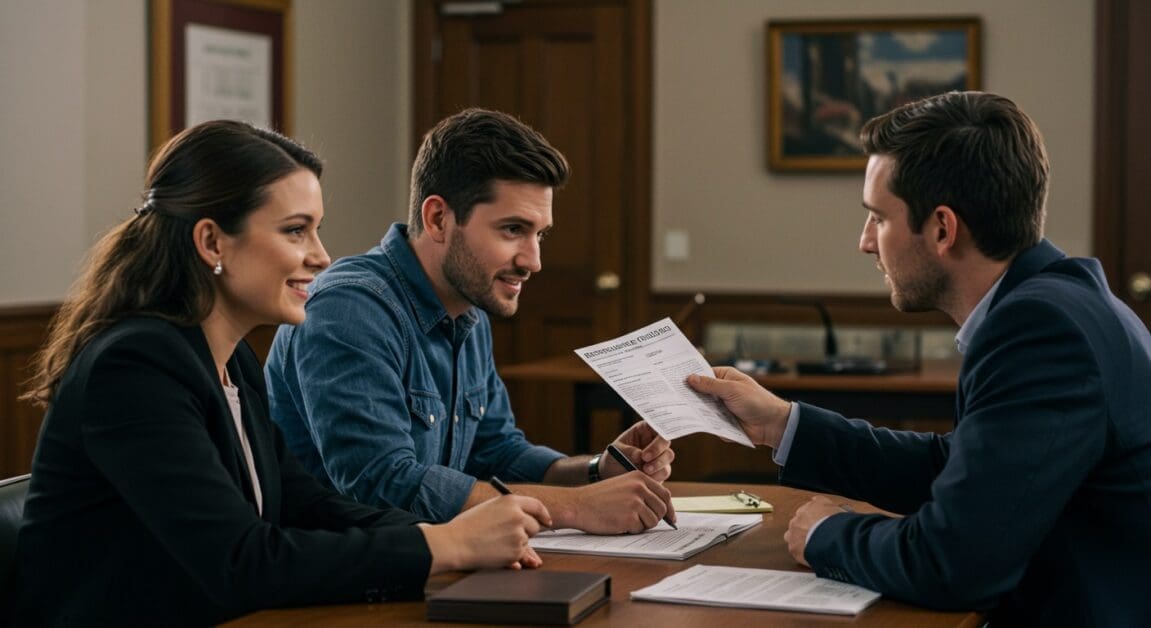
Court Procedures

Discover an array of informational resources focused on the processes and protocols within the judicial system. Explore video interviews with attorneys, in-depth articles, and legal glossary definitions that clarify everything from filing a lawsuit to understanding courtroom roles. This content is designed to enhance your understanding of how court proceedings work in various legal contexts without offering direct legal advice.

Inside the Courtroom: A Glimpse into Legal Proceedings

How Lawyers Prepare Clients for Important Hearings

Lawyers typically use a 10-step preparation process to get clients ready for important hearings. It includes reviewing evidence, practicing testimony, explaining courtroom procedure, and planning responses to likely questions. This article covers practical strategies for civil and criminal hearings, from pre-hearing meetings to day-of-court tips. Navigating the complexities of a court hearing can be daunting, […]

How Lawyers Prepare Clients for Important Hearings Read More »

Avoid Jail in Probation Violation Hearing What to Expect Attorney Defense Guide

Probation Violation Hearing: What Happens & How to Avoid Jail Time

A probation violation hearing determines whether you violated probation conditions and can result in sanctions up to jail or prison time. The judge reviews alleged violations—such as missed appointments, failed drug tests, or new charges—under a lower proof standard than a criminal trial. This article explains the hearing process, your rights and defenses, and practical

Probation Violation Hearing: What Happens & How to Avoid Jail Time Read More »

Mastering Traffic Court Without a Lawyer

Traffic Court: Tips for Representing Yourself

You can represent yourself in traffic court, and most minor citations are resolved in one short hearing (often 5–15 minutes). Preparation—reviewing the citation, gathering evidence, and practicing a clear explanation—can increase your odds of a reduction or dismissal. This article covers the traffic court process, defense strategies, and courtroom conduct tips. Representing oneself in traffic

Traffic Court: Tips for Representing Yourself Read More »

Grandparents Seeking Visitation and Custody Rights

Grandparents’ Rights: Legal Options for Visitation and Custody

All 50 states have statutes that allow grandparents to seek court-ordered visitation, and in some cases custody, but eligibility and proof requirements vary by state. Courts typically apply a “best interests of the child” standard while giving substantial deference to a fit parent’s decision. This article explains common legal pathways, key factors courts weigh, and

Grandparents’ Rights: Legal Options for Visitation and Custody Read More »

Guide to Filing and Enforcing Restraining Orders

Restraining Orders: How to File and Enforce Legally

Most restraining orders are granted after a court petition, a hearing, and proper service on the restrained person. Enforcement typically occurs when police arrest or prosecutors file charges after a documented violation. This article explains types of orders, how to file, what evidence to bring, and how violations are handled. Restraining orders serve as crucial

Restraining Orders: How to File and Enforce Legally Read More »

Understanding Child Support Modification Processes

Modifying Child Support: Legal Grounds and Procedures

Child support can be modified when there’s a substantial change in circumstances—such as a significant income shift, a change in custody, or altered needs of the child—and most states also allow periodic review every 3 years. Courts require evidence of the change and apply state guideline formulas to determine whether an adjustment is warranted. This

Modifying Child Support: Legal Grounds and Procedures Read More »

Strategize to Win in Small Claims Court

Small Claims Court: Winning Strategies for Your Case

To win in small claims court, you need credible evidence, a clear timeline, and a damages total backed by receipts or records. Judges decide on documents and concise testimony, so preparation and procedure matter as much as the facts. This article covers filing, service, evidence, hearing tactics, and collecting on a judgment. Navigating the small

Small Claims Court: Winning Strategies for Your Case Read More »

Comparing Jury and Bench Trials for Your Case

Jury Trial vs. Bench Trial: Which Is Better for Your Case?

In the U.S., jury trials are usually decided by 6–12 jurors, while bench trials are decided by one judge. A bench trial is often faster and may suit technical disputes, but a jury may be better when credibility and community perspective matter. This article explains key differences, pros/cons, and case factors to guide the choice.

Jury Trial vs. Bench Trial: Which Is Better for Your Case? Read More »

Criminal Law Basics Your Rights and Legal Steps

Criminal Law Explained: Rights, Procedures, and Defenses

Criminal law governs how the state investigates, charges, and prosecutes alleged offenses, and it guarantees core protections like the right to remain silent and the right to counsel. From arrest through trial and sentencing, strict procedures determine what evidence can be used and how guilt must be proven beyond a reasonable doubt. This article explains

Criminal Law Explained: Rights, Procedures, and Defenses Read More »

Before You Sue Key Information

Filing a Lawsuit: What You Need to Know Before Suing

Before filing a lawsuit, confirm you have a valid legal claim, filed within the statute of limitations, and enough evidence to prove damages. Most cases begin by identifying the right court and defendant, evaluating costs and alternatives like settlement, and preparing a complaint that meets strict procedural rules. This article explains key pre-suit steps, deadlines,

Filing a Lawsuit: What You Need to Know Before Suing Read More »

Scroll to Top