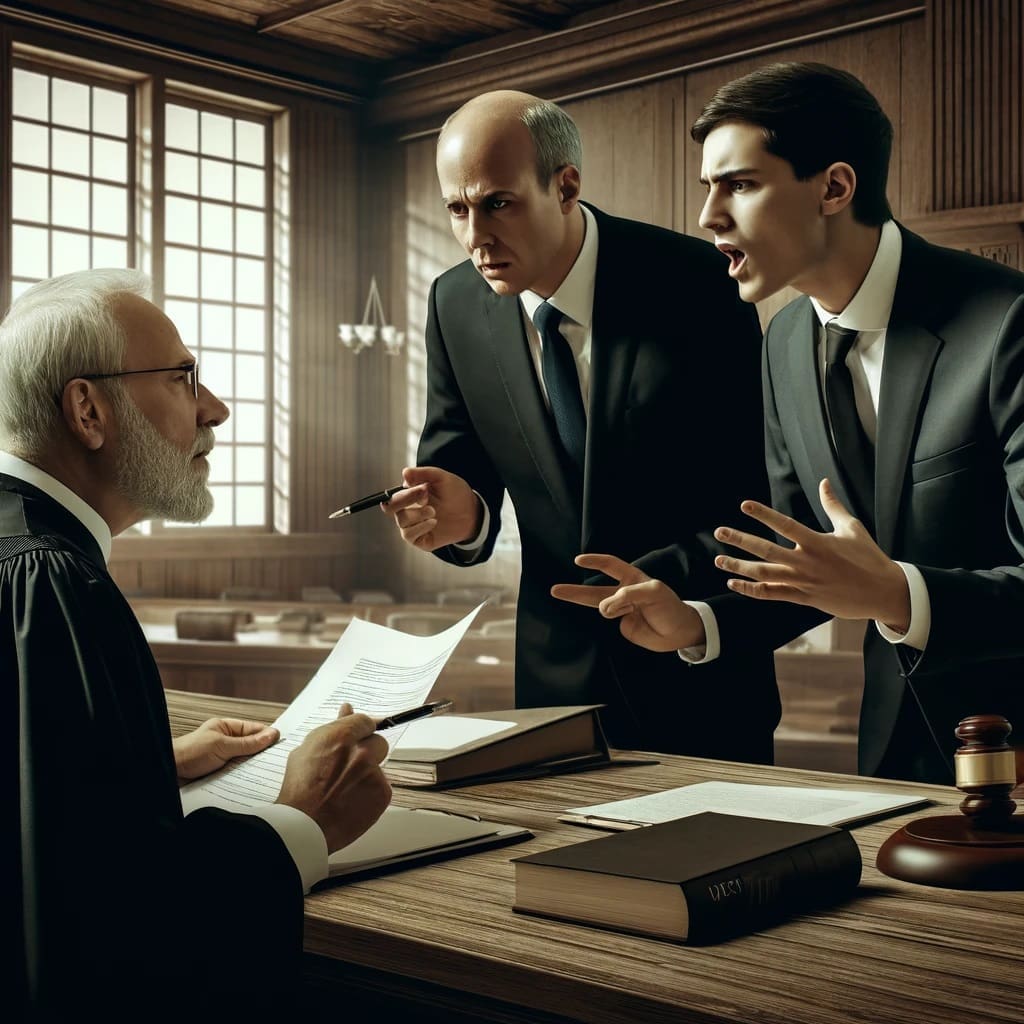
Courtroom Procedures

Visitors exploring this section will discover comprehensive insights into the structured processes involved in courtroom settings, including trial procedures and legal protocols. The content here delves into the roles of legal professionals during trials, the sequence of a court case, and the essential rules governing court appearances. Gain a deeper understanding of how court operations function within the justice system, designed for those seeking authoritative information on legal proceedings.

Testimony Laws: Key Legal Rights and Procedures You Need to Know

How to Prepare for Giving Testimony in Court

Effective court testimony starts with knowing the key facts, reviewing your prior statements and documents, and practicing clear, truthful answers with your attorney. Preparing early helps you stay composed under oath, understand the question asked, and avoid common mistakes like guessing or volunteering extra information. This article explains how testimony works, what to expect in […]

How to Prepare for Giving Testimony in Court Read More »

Witnesses in Legal Cases: Comprehensive Guide to Rights and Duties

Do Expert Witnesses Have Different Rights Than Lay Witnesses in Court?

Yes—expert witnesses have additional rights and obligations beyond lay witnesses, including paid compensation and disclosure/report requirements under rules like FRCP 26. Lay witnesses generally testify only to firsthand facts and typically are not paid beyond statutory fees. This article explains expert qualification, protections, discovery, and how testimony is handled in court. Witnesses play a crucial

Do Expert Witnesses Have Different Rights Than Lay Witnesses in Court? Read More »

Understanding Trial Courts: Essential Insights into Judicial Functions and Procedures

Navigating Trial Courts: Key Functions, Procedures, and Legal Insights

Trial courts are the first-level courts where cases begin, and they decide both facts and law through hearings or jury trials. They handle civil lawsuits and criminal prosecutions, managing evidence, motions, and sentencing or remedies. This article explains trial court roles, core procedures, and how decisions shape later appeals. Trial courts serve as the cornerstone

Navigating Trial Courts: Key Functions, Procedures, and Legal Insights Read More »

Navigating the Legal Waters: A Deep Dive into the Arraignment Process

An arraignment is the first court hearing where the judge reads the criminal charges and the defendant enters 1 plea (guilty, not guilty, or no contest). The court may also address counsel, advisement of rights, bail, and future hearing dates. This article explains each step and what defendants should expect. Understanding the Arraignment Process An

Navigating the Legal Waters: A Deep Dive into the Arraignment Process Read More »

In-Depth Legal Discussion on 'As a Matter of Law' in Action

Decoding Legal Jargon: The Impact of ‘As a Matter of Law’ in Judicial Decisions

“As a matter of law” means the judge decides an issue under controlling law—without a jury—when the material facts are undisputed. It commonly governs rulings on dispositive motions (like summary judgment or judgment as a matter of law) where only legal interpretation remains. This article explains the standard, when courts apply it, and how it

Decoding Legal Jargon: The Impact of ‘As a Matter of Law’ in Judicial Decisions Read More »

Intense Legal Discussion Over Abuse of Discretion in Court

Mastering the Intricacies of Abuse of Discretion in Legal Decisions

Abuse of discretion exists when a court’s decision falls outside the range of reasonable choices and is arbitrary, capricious, or irrational. Appellate courts use this deferential standard to decide whether to affirm or reverse rulings in areas like evidence, sentencing, and family-law orders. This article explains the test, common examples, and how to argue abuse

Mastering the Intricacies of Abuse of Discretion in Legal Decisions Read More »

Scroll to Top