Courtroom Procedures

Visitors exploring this section will discover comprehensive insights into the structured processes involved in courtroom settings, including trial procedures and legal protocols. The content here delves into the roles of legal professionals during trials, the sequence of a court case, and the essential rules governing court appearances. Gain a deeper understanding of how court operations function within the justice system, designed for those seeking authoritative information on legal proceedings.

Judge's gavel and legal books in courtroom setting

Essential Guide to Courtroom Procedures and Rules

Courtroom procedures establish the formal rules governing legal proceedings from filing to verdict. These structured processes ensure fairness, protect rights, and maintain order while evidence rules determine what information can be presented. Understanding these fundamentals helps navigate the legal system effectively.

Essential Guide to Courtroom Procedures and Rules Read More »

Navigating Jury Trials: What You Need to Know About Your Rights and Process

How to Assert and Protect Your Rights During Jury Trials?

You can assert and protect your rights during a jury trial by insisting on an impartial jury, competent counsel, fair evidentiary rulings, and due process at every stage. Key safeguards include voir dire challenges, timely objections, motions to exclude evidence, and clear jury instructions to prevent bias and ensure a lawful verdict. This article explains

How to Assert and Protect Your Rights During Jury Trials? Read More »

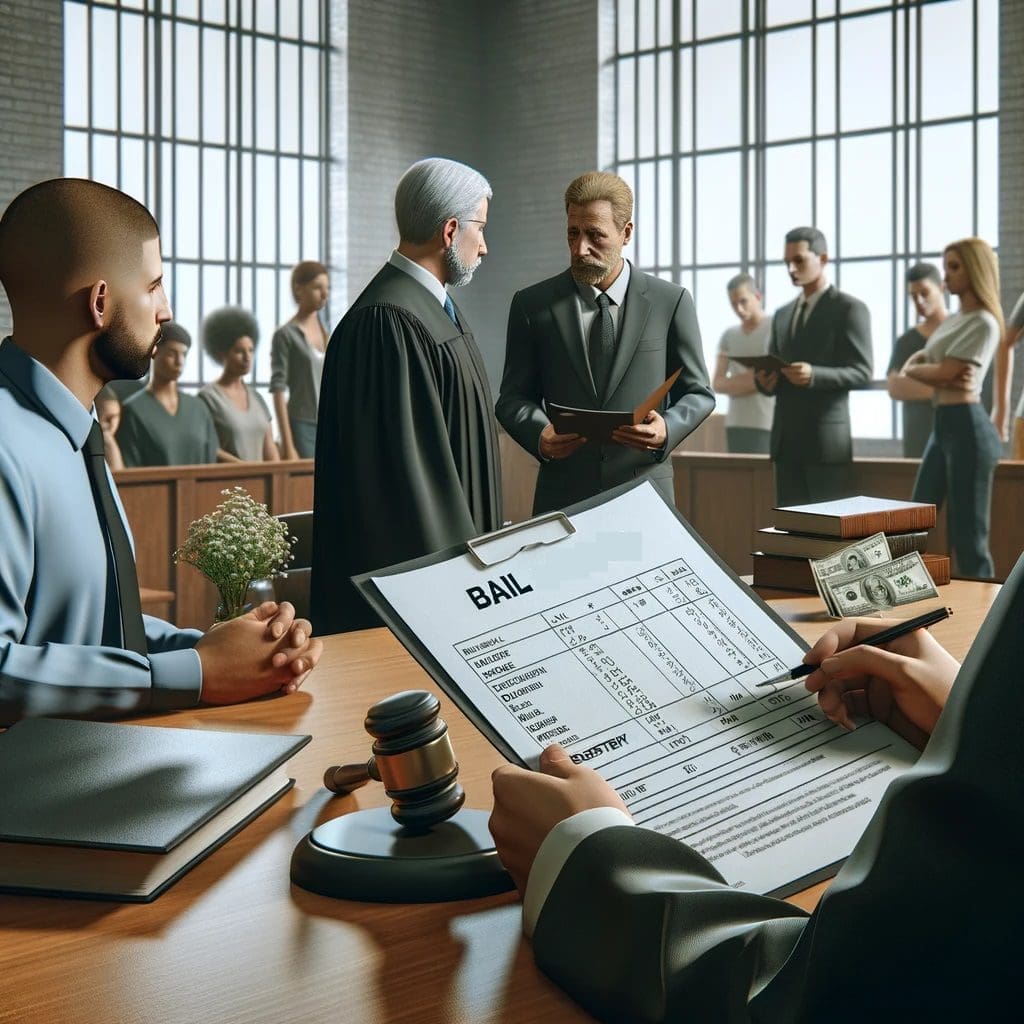
Legal Experts Deliberating Over Bail Schedule in Court

Can You Afford Bail Under Current Schedule Rules?

Most people can’t afford bail under today’s schedule-based rules, where standard amounts are set by charge and often run from hundreds to tens of thousands of dollars. Because schedules rarely reflect a person’s actual income, even low-level arrests can mean paying a large sum up front or staying in jail. This article explains how bail

Can You Afford Bail Under Current Schedule Rules? Read More »

Offender Profiling Legal Acceptance Expert Witness Insights

Criminal Profiling in Court: Admissibility and Expert Testimony

Criminal profiling evidence is generally admissible only if it satisfies Daubert or Frye reliability requirements and fits Rule 702. Courts often limit profilers to explaining behavioral patterns, not identifying a specific defendant, to avoid unfair prejudice and speculation. This article covers admissibility standards, expert qualifications, and key constitutional and evidentiary objections. The intersection of criminal

Criminal Profiling in Court: Admissibility and Expert Testimony Read More »

Assessing Competency in Criminal Cases

Competency to Stand Trial: Mental Health in Criminal Cases

Competency to stand trial means a defendant must be able to understand the proceedings and assist counsel, and courts can pause a criminal case until competency is restored. When mental illness, intellectual disability, brain injury, or acute impairment raises doubt, judges order evaluations and may require treatment before the case moves forward. This article explains

Competency to Stand Trial: Mental Health in Criminal Cases Read More »

Maintaining Evidence Chain in Criminal Justice

Chain of Custody: Ensuring Evidence Integrity in Criminal Trials

Chain of custody is the documented record of evidence custody and transfers from collection to courtroom presentation. Courts rely on it to show evidence wasn’t altered, contaminated, or mishandled, which affects admissibility and weight. This article explains the process, key documentation steps, and common challenges in criminal trials. The chain of custody is a critical

Chain of Custody: Ensuring Evidence Integrity in Criminal Trials Read More »

Crafting an Unbiased Jury Through Voir Dire

Voir Dire Process: Selecting an Impartial Jury

Voir dire is the jury selection process where judges and attorneys question prospective jurors and may remove them for cause or via a limited number of peremptory strikes. It aims to uncover bias and ensure an impartial jury as required for a fair trial. This article explains the steps, key terms, and how voir dire

Voir Dire Process: Selecting an Impartial Jury Read More »

Military Law Explained: Essential Legal Insights for Armed Forces Personnel

How to Protect Your Rights Under Military Justice Law

Service members have at least 5 core protections under military justice law, including Article 31(b) rights, counsel, and due process. These rights apply from investigations through court-martial and can affect evidence, charges, and outcomes. This article explains the UCMJ framework, key rights, and the military courtroom and appeals process. Military law is a specialized legal

How to Protect Your Rights Under Military Justice Law Read More »

Evidence Laws Explained: What You Need to Know for Your Legal Case

Understanding Rules of Evidence: What You Need to Know

The rules of evidence determine what information a judge or jury may legally consider in court, including when testimony, documents, or physical items can be admitted or excluded. They aim to keep trials fair and reliable by filtering out irrelevant, prejudicial, or unreliable proof while enforcing requirements like relevance, authentication, and hearsay exceptions. This article

Understanding Rules of Evidence: What You Need to Know Read More »

Expert Testimony: Legal Rights and Key Considerations in Court Trials

Understanding Expert Testimony: Legal Rights and Implications in Court Cases

Expert testimony is admissible in court when a qualified specialist’s opinion is relevant and meets reliability standards (commonly the Daubert or Frye test). Courts use these rules to ensure expert evidence helps the judge or jury without relying on unsupported science or speculation. This article explains how experts are qualified and challenged, what rights parties

Understanding Expert Testimony: Legal Rights and Implications in Court Cases Read More »

Scroll to Top