
forensic DNA analysis

Explore in-depth content about the scientific examination of genetic material used in legal proceedings under this tag. Visitors will find video interviews with forensic experts, articles detailing the role of DNA evidence in criminal cases, and resources explaining how forensic analysis impacts legal strategies. This section is ideal for those interested in understanding the intersection of science and law, particularly in criminal justice.

Understanding DNA Testing: Legal Perspectives and Rights You Should Know

How Can Attorneys Challenge DNA Testing Evidence in Court?

Attorneys can challenge DNA testing evidence through at least 5 key avenues: chain of custody, lab validation and accreditation, contamination/handling, analyst bias, and statistical interpretation. Courts may limit or exclude results when reliability or procedures are flawed. This article explains the legal standards, motions, and expert strategies used to contest DNA evidence in U.S. cases. […]

How Can Attorneys Challenge DNA Testing Evidence in Court? Read More »
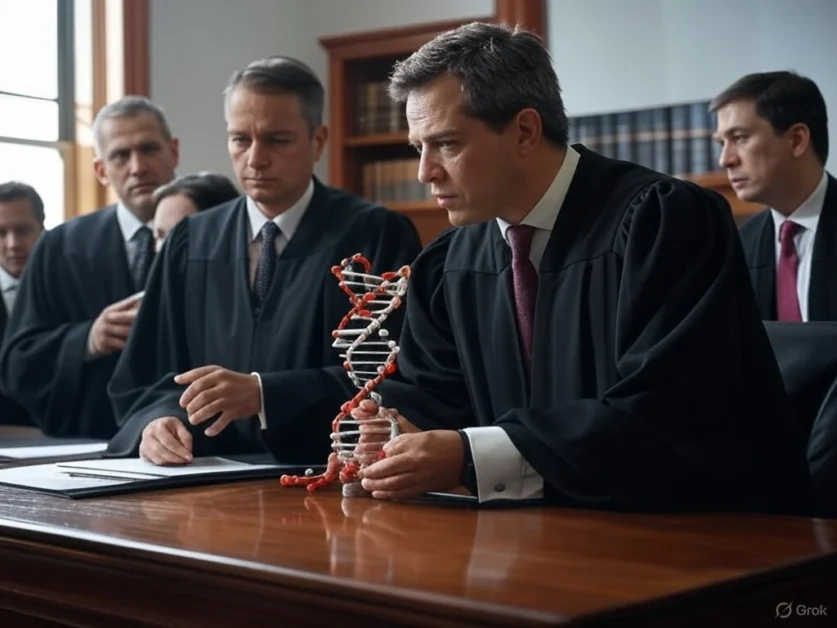
DNA Proof Issues Trust in Legal Cases Analysis Guide Now

DNA Evidence Challenges: Reliability in Criminal Cases

DNA evidence reliability in criminal cases is probabilistic—match estimates can be as low as 1 in billions, but error risk still exists. Contamination, secondary transfer, lab mistakes, and flawed interpretation can produce misleading results. This article explains the main reliability challenges and how courts and defense attorneys evaluate DNA evidence. The promise of DNA evidence

DNA Evidence Challenges: Reliability in Criminal Cases Read More »

Challenges of Using DNA in Criminal Justice

DNA Evidence in Criminal Cases: Reliability and Challenges

DNA evidence is highly reliable—often exceeding 99.9% match probabilities—when properly collected, tested, and interpreted. But contamination, degraded samples, lab error, and misinterpretation of complex mixtures can undermine results and lead to wrongful accusations or convictions. This article explains how DNA testing works in criminal cases, the main reliability challenges, and key strategies for evaluating and

DNA Evidence in Criminal Cases: Reliability and Challenges Read More »

Scroll to Top