
forensic science reliability

Explore content that delves into the complexities of forensic science and its role in the legal system, focusing on the reliability of evidence presented in court. Visitors will find in-depth articles and video interviews with legal experts discussing the standards and challenges of forensic evidence in criminal cases. This tag connects you with resources that clarify how forensic testimony can impact legal proceedings and verdicts.

Forensic Evidence Laws: What You Need to Know for Legal Protection

What Legal Strategies Challenge Forensic Evidence in Court?

Attorneys use at least 7 core strategies to challenge forensic evidence in court, including Daubert/Frye motions, chain-of-custody challenges, and expert cross-examination. They attack reliability, contamination, analyst bias, lab errors, and improper collection or reporting to limit or exclude results. This article explains the key forensic evidence laws, common weaknesses, and how courts evaluate admissibility. Forensic […]

What Legal Strategies Challenge Forensic Evidence in Court? Read More »
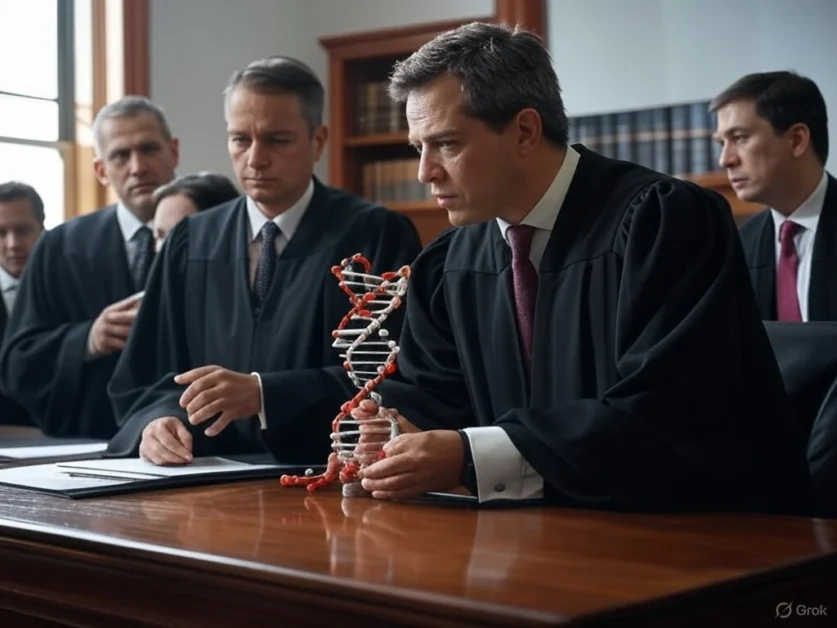
DNA Proof Issues Trust in Legal Cases Analysis Guide Now

DNA Evidence Challenges: Reliability in Criminal Cases

DNA evidence reliability in criminal cases is probabilistic—match estimates can be as low as 1 in billions, but error risk still exists. Contamination, secondary transfer, lab mistakes, and flawed interpretation can produce misleading results. This article explains the main reliability challenges and how courts and defense attorneys evaluate DNA evidence. The promise of DNA evidence

DNA Evidence Challenges: Reliability in Criminal Cases Read More »

Scroll to Top