legal documentation

Visitors exploring this section will find comprehensive resources detailing various types of legal documents, including contracts, wills, and affidavits. This content serves to clarify the purpose and structure of essential legal paperwork, empowering individuals with knowledge about document preparation and legal terminology. By understanding these key legal instruments, users can better navigate their legal needs and ensure compliance with applicable laws.

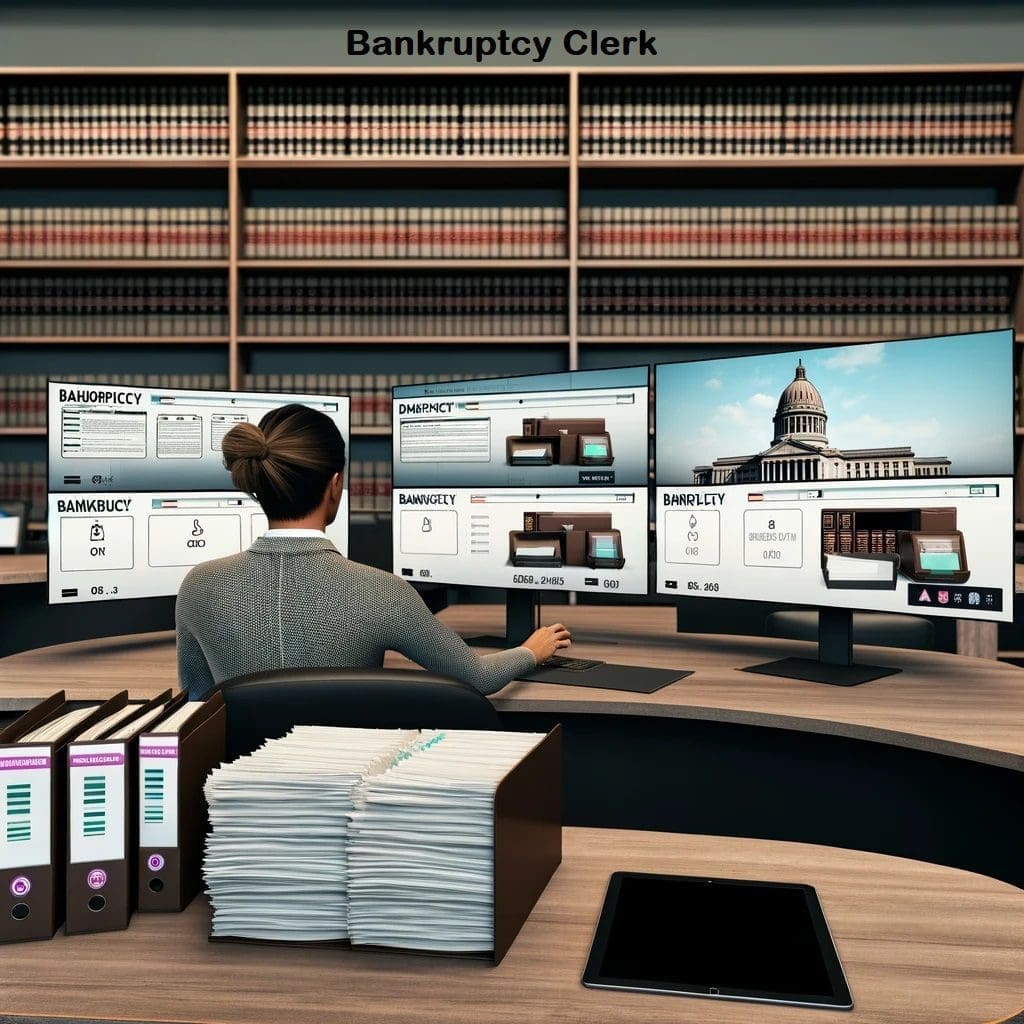
Bankruptcy Clerk in Action: Merging Tradition with Technology in Court

What to know about bankruptcy clerks in court.

A bankruptcy clerk in court manages case filings, docket entries, notices, fees, and hearing calendars to keep bankruptcy proceedings on track. Clerks support bankruptcy judges and ensure records are accurate and deadlines are met for debtors and creditors. This article explains core responsibilities, what clerks can’t do (legal advice), and how to work with the […]

What to know about bankruptcy clerks in court. Read More »

Mastering Traffic Court Without a Lawyer

Traffic Court: Tips for Representing Yourself

You can represent yourself in traffic court, and most minor citations are resolved in one short hearing (often 5–15 minutes). Preparation—reviewing the citation, gathering evidence, and practicing a clear explanation—can increase your odds of a reduction or dismissal. This article covers the traffic court process, defense strategies, and courtroom conduct tips. Representing oneself in traffic

Traffic Court: Tips for Representing Yourself Read More »

Initiating Small Claims Court Action

What are the steps to start a small claims case with legal advice?

To start a small claims case, follow 6 key steps: check eligibility/limits, demand payment, gather evidence, file the claim, serve the defendant, and prepare for the hearing. Legal advice helps you choose the right court, complete forms correctly, and present proof effectively. This article outlines each step, deadlines, and what to expect in court. Starting

What are the steps to start a small claims case with legal advice? Read More »

Essential Evidence for Personal Injury

What evidence do I need to support a personal injury compensation claim?

To support a personal injury compensation claim, you typically need medical records, evidence of how the accident happened (photos/video, witness statements, police or incident reports), and proof of financial losses like payslips and receipts. Strong, contemporaneous documentation helps establish liability, causation, and the value of your damages. This article explains the key types of evidence

What evidence do I need to support a personal injury compensation claim? Read More »

Navigating Legal Name Changes with Expert Advice

How do I change my legal name with the help of legal advice?

You can change your legal name by filing a court petition, paying a filing fee (often $150–$450), and attending a judge’s hearing for approval. A lawyer can prepare the paperwork, address notice/publication rules, and help update your Social Security record, ID, passport, and other agencies. This article explains the steps, timelines, costs, and common issues

How do I change my legal name with the help of legal advice? Read More »

Documenting Evidence Post-Accident in an Urban Setting

What Evidence Should I Collect for My Pedestrian Accident Lawyer After a Pedestrian Accident?

Collect at least 7 key evidence types after a pedestrian accident: photos/video, witness contacts, driver/vehicle/insurance info, police report number, medical records, scene notes, and surveillance/dashcam footage. This documentation helps your pedestrian accident lawyer prove fault and damages while evidence is fresh. This article explains what to gather, how to preserve it, and what to request

What Evidence Should I Collect for My Pedestrian Accident Lawyer After a Pedestrian Accident? Read More »

Discussing Evidence with Car Accident Lawyer

What Documentation and Evidence Should I Provide to My Car Accident Lawyer?

Provide at least 7 key items to your car accident lawyer: police report, photos/video, witness contacts, medical records, bills, insurance info, and proof of lost wages/vehicle damage. These documents help prove liability, damages, and the value of your claim to insurers or a court. This article lists what to collect, how to organize it, and

What Documentation and Evidence Should I Provide to My Car Accident Lawyer? Read More »

Capturing a Divorce Proceeding: Tensions High in Courtroom Setting

Comprehensive Guide to Navigating the Divorce Process Legally and Efficiently

Most U.S. divorces follow 6 core steps: petition, service, response, disclosures, negotiation/mediation, and final decree. Your timeline varies by state waiting periods and whether issues like custody or property division are contested. This article explains legal requirements, key decisions, and efficiency tips from start to finish. Introduction to Divorce Divorce marks a significant transition in

Comprehensive Guide to Navigating the Divorce Process Legally and Efficiently Read More »

In-depth Legal Consultation for Appellant on Case Review Strategy

Understanding the Role and Rights of an Appellant in the Legal Appeals Process

An appellant is the party who files an appeal asking a higher court to review and potentially reverse or modify a lower court’s decision. Appellants have strict rights and responsibilities—especially meeting deadlines, preserving issues for review, and following appellate rules and briefing requirements. This article explains what an appellant is, the steps in the appeals

Understanding the Role and Rights of an Appellant in the Legal Appeals Process Read More »

Professionals Discussing Case Amendments in a Law Office Setting

Navigating the Process of Amending a Legal Complaint: A Complete Guide

You can amend a legal complaint once as of right within 21 days (in federal court) after serving it or after a responsive pleading/motion. After that, amendments require the other side’s consent or the court’s leave, which is usually “freely given” when justice requires. This guide covers timing, procedure, relation-back rules, and strategic drafting tips.

Navigating the Process of Amending a Legal Complaint: A Complete Guide Read More »

Scroll to Top