licensing agreements

Explore comprehensive resources detailing the intricacies of licensing agreements, including informative articles and expert attorney interviews that elucidate the legal frameworks involved. Visitors will gain insights into intellectual property rights, contractual obligations, and the negotiation processes crucial for drafting effective licensing contracts. This section serves as a valuable guide for understanding the legalities and practicalities of licensing in various industries.

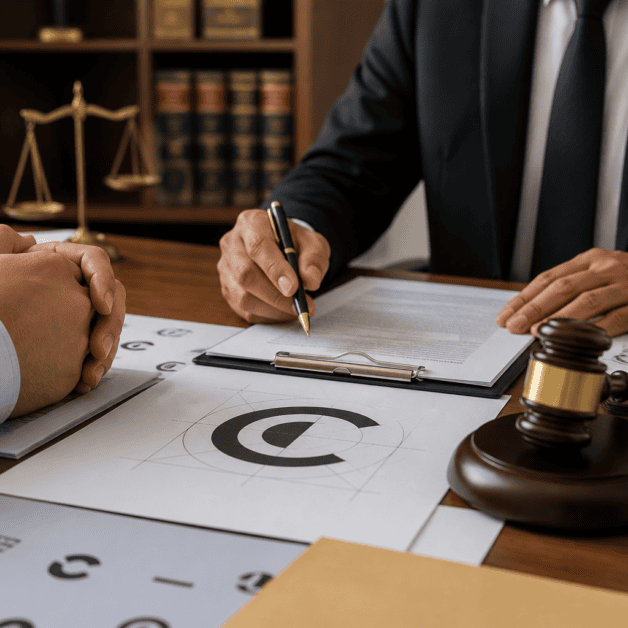
How to Copyright an Original Logo Design in California: Filing Steps, Ownership Rules, and Common Pitfalls Explained

How to Copyright an Original Logo Design in California: Filing Steps, Ownership Rules, and Common Pitfalls Explained

Copyright registration for an original logo typically costs $45–$125 in U.S. Copyright Office fees and can be filed online from California in about 15–30 minutes. Because copyright is federal law, California creators follow the same filing process—but California business practices often create ownership disputes when contractors, agencies, and startups collaborate. This article explains California-relevant ownership

How to Copyright an Original Logo Design in California: Filing Steps, Ownership Rules, and Common Pitfalls Explained Read More »

Licensing agreement document with signature

What is a licensing agreement?

A licensing agreement is a written contract where a licensor grants a licensee permission to use specific intellectual property, typically in exchange for royalties or a flat fee. It defines scope, duration, territory, quality control, and termination to protect the owner’s rights. This article explains the basics of IP licensing, common terms, and how these

What is a licensing agreement? Read More »

Licensing agreement document with pen

What is a licensing agreement?

A licensing agreement is a legally binding contract where one party (the licensor) grants another (the licensee) permission to use intellectual property—such as a trademark, patent, copyright, or trade secret—under defined terms. It typically sets the scope of use, territory, duration, quality controls, royalties or fees, and ownership protections. This article explains how licensing agreements

What is a licensing agreement? Read More »

Safeguarding Innovations with IP Law Expertise

Intellectual Property Lawyer: Protecting Your Creative Assets

An intellectual property lawyer typically handles 4 core protections: patents, trademarks, copyrights, and trade secrets. They secure registrations, draft and negotiate licenses, and enforce rights in disputes to prevent infringement and preserve value. This article explains what IP lawyers do, when to hire one, and how they protect and monetize creative assets. The role of

Intellectual Property Lawyer: Protecting Your Creative Assets Read More »

Safeguarding Your Freelance Creations Legally

Freelance IP Rights: Protecting Your Work Legally

Freelancers usually own the copyright in work they create unless a written contract assigns it to the client or qualifies as a “work made for hire.” Because default IP rules vary by jurisdiction and by type of deliverable (e.g., software, design, writing), unclear terms can lead to lost rights or payment disputes. This article explains

Freelance IP Rights: Protecting Your Work Legally Read More »

Safeguard Your Creative Assets Legally

Intellectual Property 101: Protecting Your Creative Assets

Intellectual property is protected through four main legal tools: copyrights, trademarks, patents, and trade secrets. The right option depends on what you created and how it’s used or disclosed. This article explains each protection type, key filing and enforcement steps, and practical strategies for safeguarding creative assets in 2025. The protection of intellectual property is

Intellectual Property 101: Protecting Your Creative Assets Read More »

Scroll to Top