Negligence

Explore detailed explanations and expert video interviews on the concept of negligence, a fundamental aspect of personal injury law where a party’s failure to exercise reasonable care results in harm to another. Visitors will find resources discussing different types of negligence, such as comparative and contributory, along with insights from experienced attorneys on proving negligence in court. This section provides a comprehensive understanding of how negligence claims are assessed and litigated.

Affordable Legal Advocacy: Navigating Personal Injury Claims with Experts

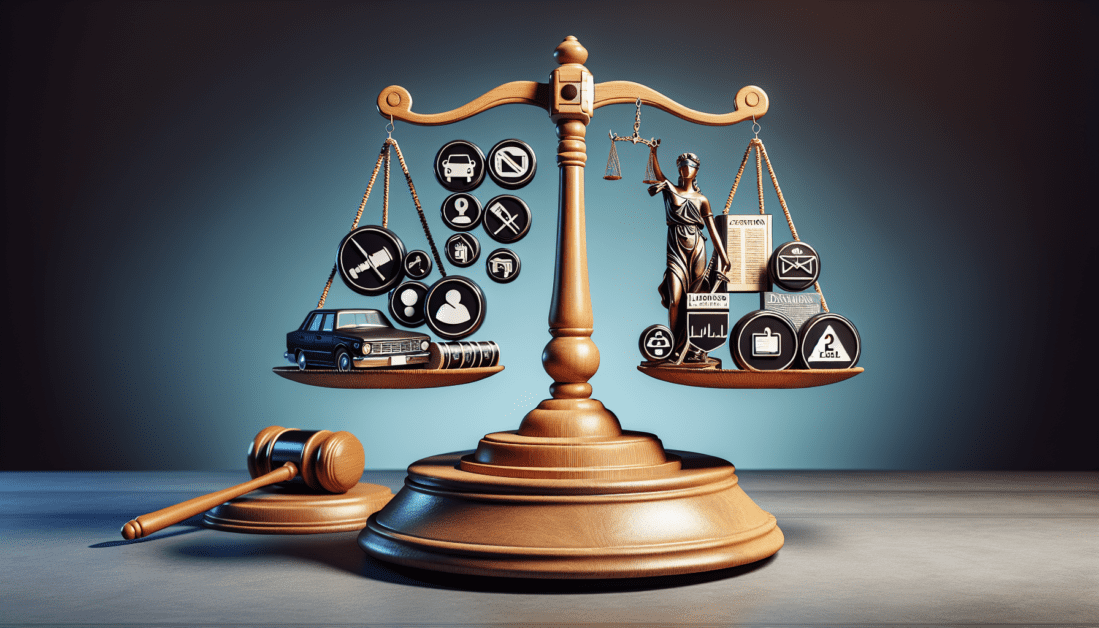
What Are the Best Low-Cost Personal Injury Attorneys Near Me?

Most low-cost personal injury attorneys near you charge 0% upfront and take 25%–40% only if they win your case. You can reduce costs by prioritizing firms offering free consultations, clear fee agreements, and strong local results in similar injury claims. This article explains how to find, vet, and hire an affordable personal injury lawyer in […]

What Are the Best Low-Cost Personal Injury Attorneys Near Me? Read More »

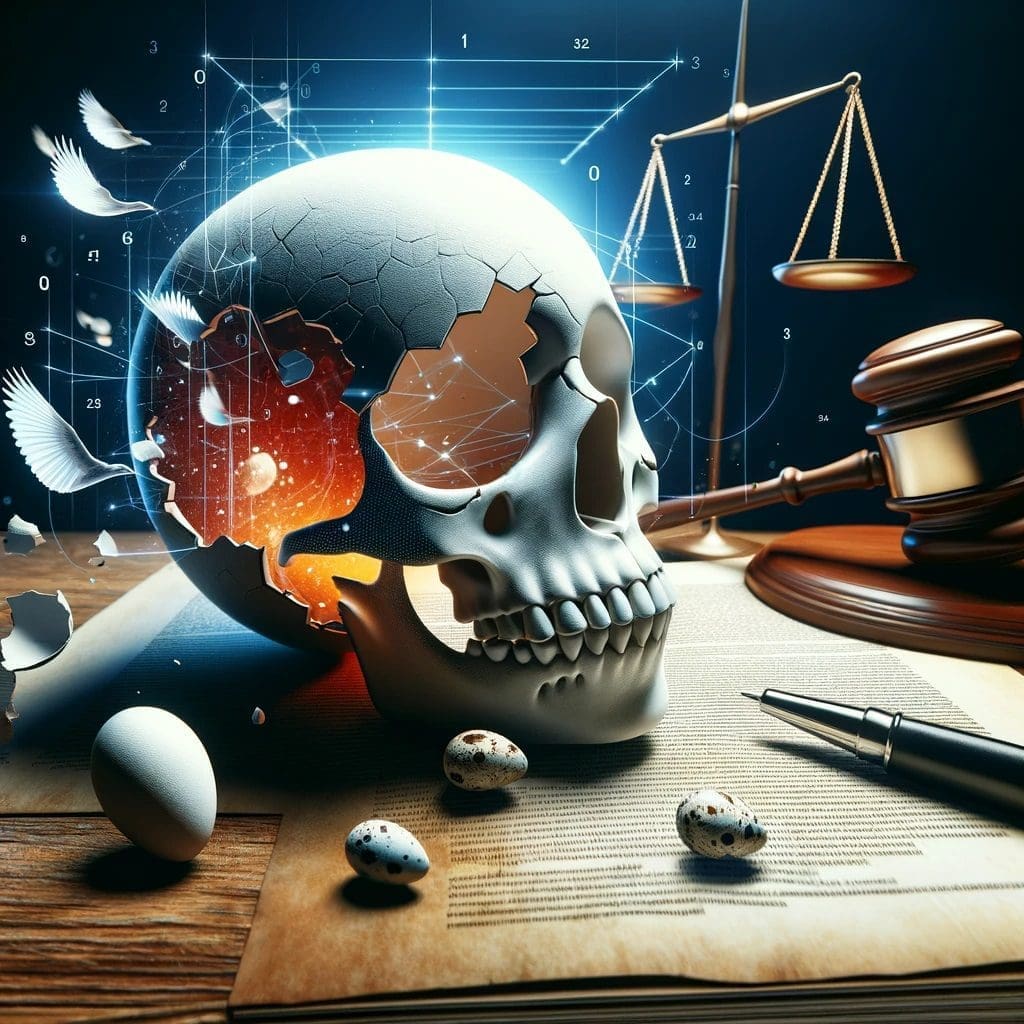
Illustrating the Impact of the Eggshell-Skull Rule on Liability

Why Is the Eggshell-Skull Rule Critical for Plaintiffs?

The Eggshell-Skull Rule is critical for plaintiffs because it makes a defendant liable for 100% of the harm they cause, even if a preexisting condition makes injuries worse. It prevents defendants from reducing damages by arguing the plaintiff was unusually fragile or vulnerable. This article explains how the rule works, what plaintiffs must prove, and

Why Is the Eggshell-Skull Rule Critical for Plaintiffs? Read More »

Trust and Responsibility: A Bailee's Role Captured

What Happens When Bailees Damage Your Property?

When a bailee damages your property, they can be held financially liable for repair or replacement costs if they failed to use the required level of care. Liability depends on the bailment type (for your benefit, theirs, or mutual) and whether the damage stems from negligence, misuse, or unauthorized transfer. This article explains how bailments

What Happens When Bailees Damage Your Property? Read More »

Expert Legal Advice in Action: Navigating Personal Injury Law

What Affordable Injury Lawyers Guarantee Your Best Claim?

Affordable injury lawyers don’t—and can’t—guarantee your best claim outcome, but they can guarantee clear fee terms, ethical representation, and diligent case work. In personal injury cases, results depend on liability facts, medical proof, insurance limits, and court timelines, not promises. This article explains what “affordable” really means, which guarantees are legitimate, red flags to avoid,

What Affordable Injury Lawyers Guarantee Your Best Claim? Read More »

Stay Calm Your Guide to Post-Car Accident Steps

Don’t Panic: What to Do After a Car Accident

After a car accident, take 7 steps: check injuries, move to safety, call 911, exchange info, document evidence, notify your insurer, and seek medical care. These actions help preserve proof and protect your rights if a claim or lawsuit follows. This article explains what to do immediately, what to avoid, and how to document the

Don’t Panic: What to Do After a Car Accident Read More »

Complete Guide to Medical Malpractice Support

Comprehensive Resource for Victims of Medical Malpractice

Medical malpractice claims generally require proving 4 elements: duty, breach, causation, and damages. Victims typically need medical records and expert review, and deadlines vary by state. This article explains your rights, common claims, what compensation may cover, and how to find legal help. Medical malpractice occurs when a healthcare professional’s negligence causes harm to a

Comprehensive Resource for Victims of Medical Malpractice Read More »

Manufacturer Liability in Product Claims

Product Liability Claims: When Manufacturers Are Responsible

Manufacturers can be liable under 3 main theories: strict liability, negligence, and breach of warranty. Liability often turns on whether a product had a design, manufacturing, or warning defect that caused foreseeable harm. This article explains when manufacturers are responsible, key proof elements, defenses, and recent legal trends. Product liability claims arise when manufacturers are

Product Liability Claims: When Manufacturers Are Responsible Read More »

Know Your Rights in Premises Liability Situations

Premises Liability: Your Rights as a Visitor or Customer

Premises liability lets injured visitors seek compensation when a property owner’s negligence caused unsafe conditions. Owners generally must fix or warn of known hazards and keep the property reasonably safe for lawful entrants. This article explains visitor categories, common slip-and-fall scenarios, proof requirements, and next steps after an injury. The legal concept of premises liability

Premises Liability: Your Rights as a Visitor or Customer Read More »

Legal Guidance on Property Owner Responsibilities

Premises Liability: When Property Owners Are Responsible

Property owners can be liable for injuries if they knew or should have known of a dangerous condition and failed to fix it or warn visitors. Liability often turns on duty of care, notice, and reasonable maintenance or security measures. This article covers common premises liability claims, proof requirements, and when injured visitors may recover

Premises Liability: When Property Owners Are Responsible Read More »

Key Questions to Ask Your Injury Attorney

Top 10 Questions to Ask Your Personal Injury Attorney

You should ask your personal injury attorney 10 key questions before hiring. These cover relevant case experience, contingency fees and costs, communication expectations, and settlement vs. trial strategy. This article lists the top 10 questions and explains why each matters when choosing legal representation. When seeking legal representation for a personal injury claim, it is

Top 10 Questions to Ask Your Personal Injury Attorney Read More »

Scroll to Top