police report

Visitors exploring this tag will discover comprehensive resources detailing the role and significance of official documents created by law enforcement officers, commonly used in criminal investigations and court proceedings. This section provides insights into how these reports are generated, the information they typically contain, and their critical importance in legal contexts, ensuring a clear understanding for those seeking knowledge about criminal justice processes. Ideal for individuals looking to enhance their comprehension of legal documentation and its implications in the justice system, the content here is meticulously crafted to be both informative and accessible.

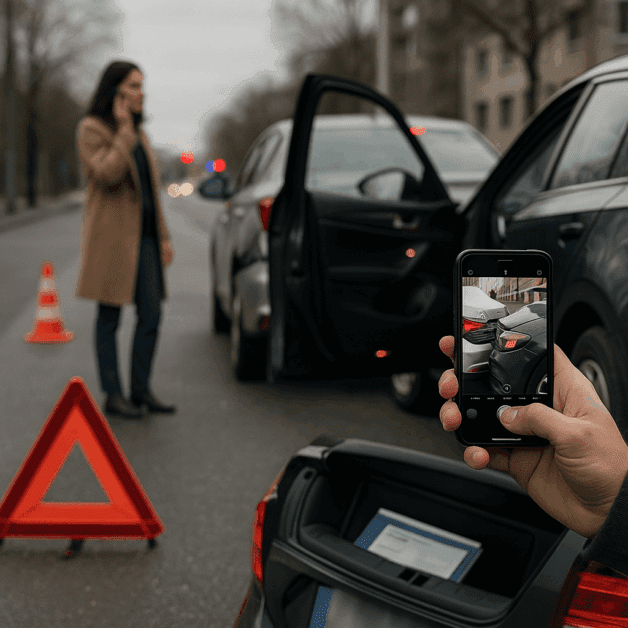
Car accident legal checklist steps guide

What to Do in the First 10 Minutes After a Car Accident — The Legal Checklist

In the first 10 minutes after a car accident, check injuries, move to safety if possible, and call 911. Then exchange information, photograph the scene, and avoid admitting fault to protect your claim. This article provides a step-by-step legal checklist for what to do and what not to do immediately after a crash. Why the

What to Do in the First 10 Minutes After a Car Accident — The Legal Checklist Read More »
Police report document with magnifying glass

The One Detail in a Police Report That Almost Always Wins on Appeal

One contradictory line in a police report can win an appeal because it can undermine probable cause or impeach key testimony. Appellate courts frequently reverse or suppress evidence when the report conflicts with later statements or the legal basis for a stop, search, or arrest. This article explains which report entries matter most and how

The One Detail in a Police Report That Almost Always Wins on Appeal Read More »

Victim and Officer in Action: A Detailed Look at Auto Theft Reporting

Are Anti-Theft Devices Required by Law Now?

No—anti-theft devices are not universally required by law in the U.S.; requirements depend on state rules and specific vehicle types. Some jurisdictions or programs mandate immobilizers or VIN etching for certain high-theft vehicles or as a condition for registration or insurance discounts. This article explains auto theft laws, prevention steps, and legal options after a

Are Anti-Theft Devices Required by Law Now? Read More »

Stay Calm Your Guide to Post-Car Accident Steps

Don’t Panic: What to Do After a Car Accident

After a car accident, take 7 steps: check injuries, move to safety, call 911, exchange info, document evidence, notify your insurer, and seek medical care. These actions help preserve proof and protect your rights if a claim or lawsuit follows. This article explains what to do immediately, what to avoid, and how to document the

Don’t Panic: What to Do After a Car Accident Read More »

Protect Your Rights After Identity Theft

Identity Theft Recovery: Legal Steps to Protect Your Rights

Identity theft victims should act immediately by filing an FTC Identity Theft Report and a police report, placing fraud alerts or credit freezes with all three bureaus, and disputing fraudulent accounts. These steps create a paper trail that limits liability, preserves evidence, and strengthens your position with creditors and law enforcement. This article explains the

Identity Theft Recovery: Legal Steps to Protect Your Rights Read More »

Understanding Car Accident Claims and Legal Rights

Car Accident Report: How It Impacts Your Legal Claim

A car accident report can significantly strengthen your claim by providing an official, time-stamped record of the crash, parties involved, and cited violations. Insurers and attorneys rely on it to assess fault, verify injuries, and support damages. This article explains what reports include, how to get one, and how errors can affect compensation. In the

Car Accident Report: How It Impacts Your Legal Claim Read More »

Legal Support for Hit and Run Accident Victims

Hit and Run Accident: Legal Steps for Victims

After a hit and run accident, victims should take 5 key steps: call 911, get medical care, document the scene, find witnesses, and report promptly to police and insurers. These actions preserve evidence and protect your ability to seek compensation even if the driver is unidentified. This article explains the legal steps, claims options, and

Hit and Run Accident: Legal Steps for Victims Read More »

Immediate Steps After Car Collision Explained

Car Accident Checklist: What to Do Immediately After a Collision

After a car accident, prioritize safety, call 911, exchange information, document the scene, and notify your insurer—ideally within 24 hours. Taking these steps quickly can protect your health, strengthen any insurance or injury claim, and prevent costly mistakes. This article provides a step-by-step collision checklist, including what to say and do at the scene, evidence

Car Accident Checklist: What to Do Immediately After a Collision Read More »

Essential Post-Collision Evidence for Claims

Maximizing Your Claim: Car Accident Evidence to Gather Post-Collision

Collect at least 7 essentials after a crash: scene photos/video, vehicle damage shots, injuries photos, witness contacts, the police report number, insurance details, and same-day medical records. This evidence helps prove fault, document damages, and counter insurance disputes. This article explains exactly what to gather, how to do it safely, and what to request later.

Maximizing Your Claim: Car Accident Evidence to Gather Post-Collision Read More »

Immediate Actions for Car Accident Lawyers in FL

As a Florida Car Accident Lawyer: Immediate Steps After a Car Accident

After a Florida car accident, take 7 immediate steps: call 911, get medical care, document the scene, exchange info, notify your insurer, avoid admissions, and contact a lawyer. These actions protect your health and preserve evidence and PIP/claim rights. This article outlines each step and common mistakes to avoid. In the aftermath of a car

As a Florida Car Accident Lawyer: Immediate Steps After a Car Accident Read More »

Scroll to Top