
witness credibility

Visitors exploring this category will discover insightful resources about how courts evaluate the trustworthiness of individuals providing testimony in legal proceedings. This includes video interviews with experienced attorneys discussing factors that influence a witness’s reliability and legal articles that delve into the methods used to assess credibility in both civil and criminal cases. The content is designed to enhance understanding of this crucial aspect of the judicial process without offering specific legal advice.

How to Use Applied Psychology to Improve Witness Credibility in Cook County, Illinois Criminal Trials

How to Use Applied Psychology to Improve Witness Credibility in Cook County, Illinois Criminal Trials

Cook County criminal jurors decide credibility in minutes, and psychological research shows first impressions can heavily shape later interpretation of testimony. In Chicago-area courtrooms, attorneys can ethically apply applied psychology to help truthful witnesses present clear, consistent, and confident accounts. This article explains practical, legally sound credibility-improvement methods for Cook County, Illinois criminal trials, from […]
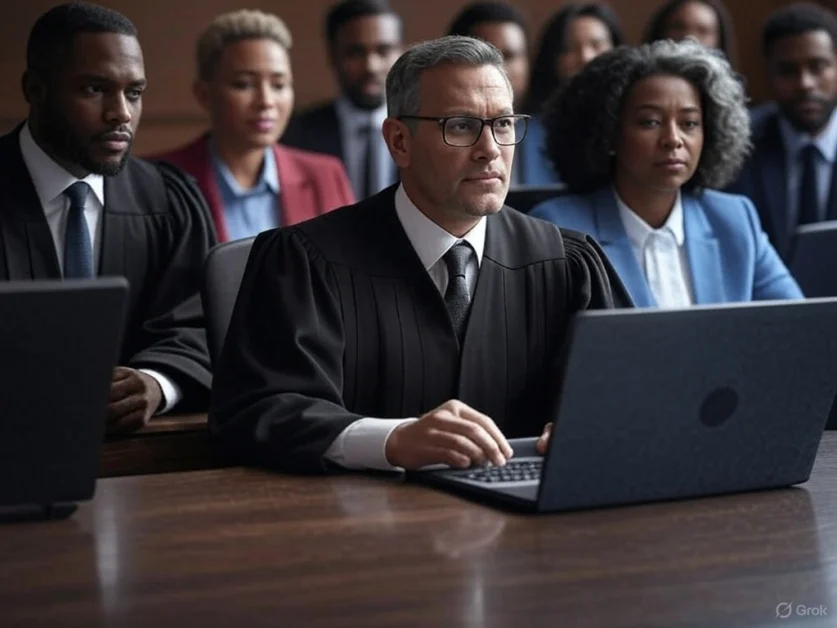
How to Use Applied Psychology to Improve Witness Credibility in Cook County, Illinois Criminal Trials Read More »

Worldwide Insights on Virtual Court Due Process Challenges

Due Process Considerations in Remote Court Proceedings

Due process in remote court proceedings can be constitutional if courts provide notice, meaningful participation, and reliable access to evidence and counsel under the 5th and 14th Amendments. Key risks include tech barriers, weakened confrontation, and confidentiality issues, so judges often use access checks, interpreters, and secure platforms to protect fairness. This article explains major

Due Process Considerations in Remote Court Proceedings Read More »

Witness Credibility Under Scrutiny

Impeachment of Witnesses: Challenging Credibility in Court

Witness impeachment uses 5 core methods—prior inconsistent statements, bias, character for untruthfulness, contradiction, and sensory or capacity limits—to attack credibility. These tools help juries and judges weigh testimony accurately and expose unreliable accounts. This article explains the rules, tactics, and limits of impeaching witnesses in court. The impeachment of witnesses stands as a cornerstone of

Impeachment of Witnesses: Challenging Credibility in Court Read More »

Challenges to Eyewitness Evidence

Eyewitness Testimony: Reliability and Legal Challenges

Mistaken eyewitness identifications contribute to about 70% of wrongful convictions later overturned by DNA evidence. Memory and perception are vulnerable to stress, bias, and suggestive police procedures, making identification evidence legally challengeable. This article explains reliability limits, key legal standards, and strategies to scrutinize eyewitness testimony in court. In the realm of criminal justice, few

Eyewitness Testimony: Reliability and Legal Challenges Read More »

Crafting Defense Against Assault Charges

Assault Charges: Building a Strong Defense Strategy

Prosecutors must prove assault beyond a reasonable doubt, and strong defenses often include self-defense, lack of intent, misidentification, or false allegations. Early evidence preservation, witness interviews, and reviewing body-cam or surveillance footage can materially change outcomes. This article explains assault charge types, penalties, and how to build an effective defense strategy. Facing assault charges can

Assault Charges: Building a Strong Defense Strategy Read More »

Scroll to Top