
The Contract Trail Behind a Commercial Truck Crash: Leases, Dispatch Agreements, and Hidden Insurance Coverage
Commercial truck crashes often involve 3+ responsible entities: the driver, motor carrier, and a leasing or dispatch company. Leases and dispatch agreements can shift control and reveal hidden insurance layers beyond the driver’s policy. This article explains how trucking contracts and coverage documents affect liability and recovery after a semi-truck collision.
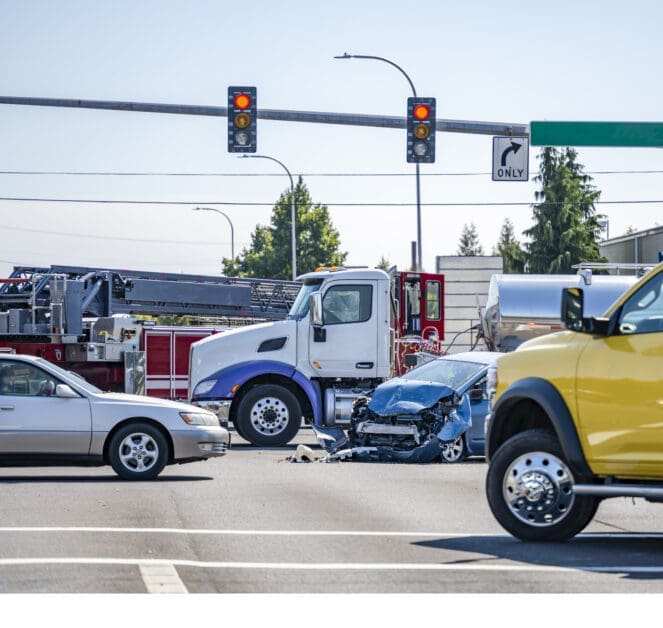
When a passenger vehicle collides with a commercial semi-truck, the aftermath is often devastating, leaving families scrambling for answers while coping with severe trauma. Standard car wrecks usually involve just two drivers and straightforward auto policies, but commercial trucking collisions operate in an entirely different financial and legal universe. Making sense of what happened means looking far beyond the person behind the wheel to uncover a tangled web of corporate paperwork.
Navigating those financial layers is rarely simple, especially for motorists traversing heavily trafficked Utah freight corridors like Interstate 15 or Interstate 80. This is why individuals dealing with complex truck accident claims often turn to experienced legal counsel to sort through who is actually at fault. Behind every big rig on the interstate sits a paper trail filled with equipment leases, dispatch logs, maintenance agreements, and multi-tiered insurance structures designed to spread risk and, quite often, to hide accountability.
The Myth of the Lone Truck Driver
Most people assume the driver is an independent operator who carries total responsibility for their actions on the road, but the freight industry works very differently. When a severe crash happens, the driver is usually just one piece of a much larger corporate puzzle.
Motor carriers are the federally authorized companies operating the freight hauling authority, who may or may not own the actual truck. Equipment lessors are banks or leasing companies that rent out tractors and trailers to fleet operators on long-term contracts. Shippers and brokers act as third-party middlemen who coordinate cargo movement and frequently set tight deadlines that push drivers toward exhaustion.
Federal safety statistics show that over 70% of commercial vehicles involved in major crashes operate under some form of lease or third-party dispatch arrangement. Because ownership and operation are split up, figuring out liability demands deep subpoenas and thorough corporate background checks.
Unpacking Equipment Leases and Carrier Authority
Leasing agreements dictate who is legally required to keep a tractor-trailer mechanically safe, frequently muddying the waters between the owner and the operator. Under rules set by the Federal Motor Carrier Safety Administration, the motor carrier holding the active interstate operating authority is generally on the hook for safety compliance, regardless of who holds the title to the rig.
The Independent Contractor Label Trap
Trucking fleets routinely label drivers as independent contractors instead of traditional W-2 employees to dodge direct vicarious liability. Yet when lawyers pull the actual contracts, they often find deep operational controls, such as mandatory routes, company decals, and strict dispatch rules, that completely undermine that independent status.
Dispatch Pressures and the Drive to Deliver
Dispatch contracts set the financial terms and strict timeframes between brokers, carriers, and drivers, which frequently encourages dangerous driving habits. Unrealistic delivery schedules baked into broker agreements can pressure drivers into blowing past mandatory federal Hours of Service rest rules, directly causing fatigue-driven accidents.
Broker indemnity clauses often try to push 100% of the liability away from the broker and onto the carrier, though courts can throw out clauses that clash with public safety regulations. Electronic logging device data pulled from engine control modules and dispatch software provides hard proof of whether tight deadlines forced a driver to speed or stay behind the wheel illegally.
Uncovering Hidden Insurance Towers
Commercial trucking insurance isn’t a single policy; it is built in complex vertical tiers known as insurance towers that include primary, umbrella, and excess policies worth millions. While everyday passenger auto insurance usually caps out near state minimums, interstate commercial trucks are required by federal law to carry substantial coverage starting around $750,000 and climbing past $5 million for hazardous hauling.
Tracking Down Excess Coverage
Unearthing these hidden financial reserves takes aggressive legal discovery to locate excess and umbrella policies held by parent companies, equipment lessors, and logistics brokers. Without digging through every underlying contract, injured victims risk walking away with a basic primary payout while millions of dollars in secondary coverage stay entirely hidden.
Conclusion: Why Professional Legal Help Counts
Commercial truck crash litigation requires a painstaking review of business documents that trucking companies are rarely willing to hand over on their own. By thoroughly analyzing lease agreements, dispatch logs, maintenance files, and multi-layered insurance policies, victims can cut through corporate red tape to win fair compensation.
If you or someone close to you has suffered injuries in a major commercial vehicle crash, remember that the real story of the accident is usually buried in the paperwork. Working with experienced legal counsel ensures that every responsible company, hidden lease, and secondary insurance policy gets brought to light.














