What to Expect in a Personal Injury Case
In Connecticut, where both residential areas and commercial hubs contribute to an active lifestyle, the chances of accidents—whether on the road, at work, or in public spaces—are real. For those who find themselves injured, understanding the legal steps ahead can ease the stress of an already difficult situation.
A Connecticut personal injury lawyer will guide you through every phase, from documenting evidence to managing the complexities of insurance claims. By having an experienced lawyer by your side, you ensure your case is handled efficiently, helping you secure fair compensation while you focus on healing.
Initial Consultation and Case Evaluation
Following this meeting, the attorney thoroughly reviews the incident’s facts. This person, being the injured party, presents the context, attaches documents in support, and responds to pertinent questions. Then, the attorney assesses whether there is a legitimate case. Its analysis determines the next steps and outlines what parties to the case can expect.
Investigation and Documentation
An investigation occurs after the initial meeting. At this point, collecting evidence can be key. We will collect proof such as photographs, witness statements, and medical records to help verify the claim. Every little detail contributes to a more powerful argument. An attorney may also reach out to experts to gain additional perspective. Preparing great documentation can maximize the chances that it ends well.
Medical Treatment and Progress Monitoring
If you are involved in an accident, seeking medical attention is always the right thing to do. Being in recovery is the most important thing in any addict’s and alcoholic’s life and most often requires continued care. Updates on injuries and progression are provided by medical professionals. These are really basic pieces of evidence for the case. Showing a consistent pattern of care can help solidify the claim and illustrate the thoroughness of the injuries.
Filing the Claim and Notification
When enough information is obtained, the legal team is prepared to file a claim. A notification is sent to a responsible person with regard to the case. This document describes the injuries, damages, and the basis on which compensation is sought. The other side replies, and the cycle of resolution begins. Prompt, clear messaging lays the groundwork for future conversations.
Negotiations and Settlement Discussions
Negotiation almost always occurs after a claim is filed. Information is exchanged, and an agreement is attempted. The goal is to get fairly paid without going to trial. Lawyers advocate for their clients vigorously but with caution. Most cases will resolve at this step, so you would not have to go to court. The deadline, which may be extended if talks go well, will then be extended further if talks stall.
Filing a Lawsuit if Necessary
If the negotiations don’t work, then the next step is a lawsuit. Complaints are legal documents that are filed with the court. Sides are preparing to argue their case in front of a judge or jury. This stage has an element of formality to service delivery, deadlines to start and finish, and a process by which each concept is rated and considered. There is something called discovery, where both parties exchange information. Preparation can go a long way.
Discovery and Evidence Exchange
Discovery is the process that allows one party to request information from the other party. There will likely be written questions, document requests, and depositions. Both parties review the evidence and witnesses about what happened. It clarifies the facts and identifies the strengths and weaknesses of the case. The information you gain feeds future strategy and decision-making.
Pre-Trial Motions and Possible Mediation
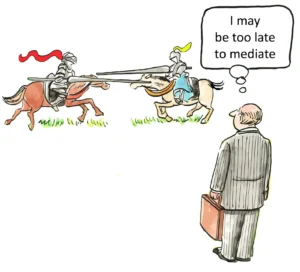
In some cases, the court will have a say in mediation. In mediation, the parties are again encouraged to settle their dispute with the benefit of a neutral third-party mediator. This stage is where many disputes are resolved, often without the pressure of going to trial.
The Trial Process
When resolution is out of reach, the matter goes to trial. In both the trial court and appeals court, both sides provide evidence, cross-examine witnesses, and make their arguments in front of a judge or a judge and jury. It is up to the court to assign responsibility and to determine what damages, if any, are appropriate. Cases can vary in length from a single day to multiple weeks of serious courtroom work, depending on the importance of the case.
Conclusion
A personal injury case typically follows a specific sequence of events from beginning to end. It alleviates some anxiety, and it also primes you for what to expect. By staying informed and engaged, those affected can make better decisions throughout the process. Without guidance and realistic expectations, your experience will likely be more difficult than it needs to be, and the outcome will be less equitable.