When Passing a Farm Tractor Becomes Dangerous on Virginia Roads
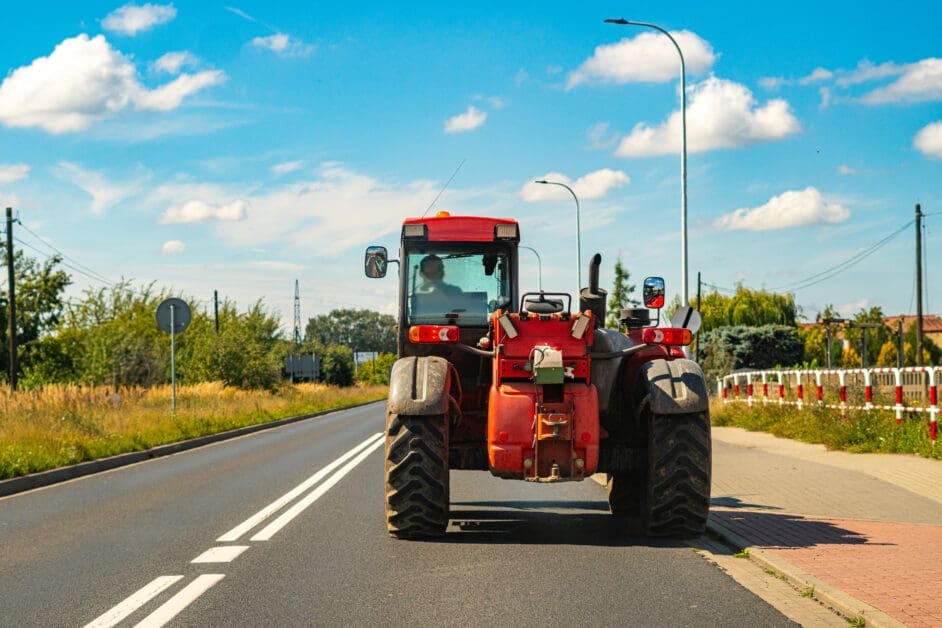
Most Virginians have sat behind a tractor and watched the speedometer hover near 20 while the road ahead looks clear. That short gap in traffic feels like permission to pass, yet a pass takes more space and time than it seems. Farm safety groups and a study of Virginia rural road crashes both list unsafe passing among the usual ways tractor crashes happen. Knowing where that choice goes wrong takes only a minute, and it can keep a routine drive routine.
Why the Speed Gap Catches Drivers Off Guard
Most farm equipment is designed to travel at only 15 to 25 miles per hour, according to the National Institute for Occupational Safety and Health. A car moving at 50 miles per hour has less than 10 seconds to avoid a tractor going 20 miles per hour that sits 400 feet ahead. That short window explains why many drivers decide to pass in a hurry instead of slowing early.
Speed also hides size. A tractor may pull a hay wagon, a mower, or a sprayer that reaches past the tractor’s own width. From behind, you often cannot tell how much of the lane the whole rig uses. Dust, shade, and low sun can also hide a slow shape until you are close.
Spots Where a Pass Turns Dangerous
Virginia law bars passing where you cannot see far enough ahead. Under Va. Code § 46.2-843, you may cross the center line only when the left side is clearly visible and free of oncoming traffic for enough distance to finish the pass safely. Passing on or near a hill or curve with a blocked view is reckless driving under § 46.2-854, and the same goes for passing at a railroad crossing or highway intersection on most two-lane roads under § 46.2-858.
- Hill crests
- Blind curves
- Railroad crossings
- Field entrances
- Narrow bridges
When a Tractor Moves Right and Then Turns Left
A tractor that drifts toward the shoulder is not always making room for you. Large rigs often swing right first so they can line up a wide left turn into a field or driveway. Older tractors may have no turn signals at all, so look for a hand signal and check the left side of the road for a gate or driveway. The same NIOSH fact sheet says nearly half of all incidents between motorists and farm implements involve either a left-turn crash or a rear-end crash.
Virginia law puts duties on the tractor too. A farm tractor must display a slow-moving vehicle emblem under Va. Code § 46.2-1081, and under § 46.2-842, a slow-moving vehicle must leave the roadway at the nearest suitable spot when that is needed to let traffic pass. A worn emblem or a missed signal can matter later, but neither makes a risky pass safe.
How Fault Gets Decided After a Crash
Virginia follows contributory negligence, so a driver who shares blame for a crash can lose the whole claim. That rule puts the passing driver’s choices at the center of many tractor cases. The deadline matters too, because Va. Code § 8.01-243(A) gives most people two years to file a personal injury lawsuit.
When drivers tell different stories, photos of skid marks, vehicle damage, the tractor’s lights, and the road itself can settle the question. That is why how investigators reconstruct a crash depends so much on early evidence. Police reports help, but they rarely capture everything. If you can do it safely, record the scene and gather witness names before anything moves.
Safer Ways to Handle the Gap
Patience costs less than most drivers think. A two-mile stretch takes six minutes at 20 miles per hour and about two and a half minutes at 50, so a tractor adds roughly three and a half minutes to that stretch. Those minutes buy time to read the road, watch for signals, and wait for a long, clear view. When that view comes, Va. Code § 46.2-838(A) requires you to pass at least two feet to the left and not move back to the right side of the road until you are safely clear.
- Slow down early
- Leave extra space
- Watch for signals
- Wait for clear view
Why a Short Wait Beats a Risky Pass
Farm equipment is part of daily life on Virginia’s back roads, and the people driving it are usually headed to work, not trying to hold anyone up. A calm pass on a clear stretch protects them as much as it protects you. If a crash does happen, get medical care first and write down what you saw while it is fresh. A Virginia injury attorney can review the facts with you before you talk to an insurer, since fault decides so much under state law.
Published with permission from The Warren Law Firm – Charlottesville, Virginia