
Your Car Is Collecting 5 Types of Data — Here’s How to Turn It Off
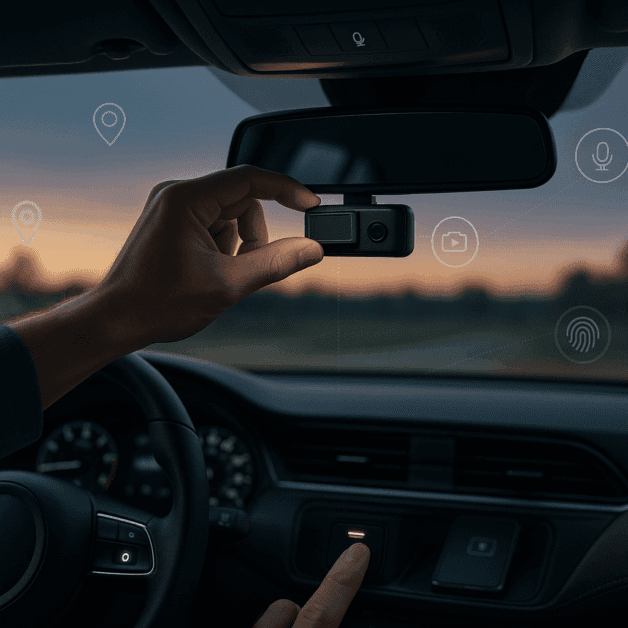
Modern cars typically collect 5 main data types: location, driving behavior, device identifiers, in-car voice/infotainment activity, and diagnostics. You can often limit or disable this via the vehicle’s privacy menu, connected-services app, and consent settings. This article breaks down what’s collected, why it matters, and step-by-step ways to turn it off.
Most people know that their phones track them. But your car? That’s a different story — and honestly, a more surprising one. Modern vehicles are essentially computers on wheels, and they’re quietly gathering information about you every single time you get behind the wheel. The good news is that you have more control than you might think.
Here’s a straightforward breakdown of the five main types of data your car collects, why it matters, and what you can actually do to limit it.
Why Your Car Is Collecting Data in the First Place
Automakers collect data for a few different reasons. Some of it is genuinely useful — diagnosing mechanical problems, improving safety features, and refining navigation systems. But a significant portion of that data ends up being shared with third parties, including insurance companies, marketing firms, and data brokers.
A 2023 study by the Mozilla Foundation found that modern cars are among the worst product categories for consumer privacy. Out of 25 major car brands tested, every single one collected more personal data than necessary. Many of them sold or shared that data with outside companies.
Understanding what’s being collected is the first step toward protecting yourself.
The 5 Types of Data Your Car Is Collecting
1. Location and GPS Data
Your car almost certainly tracks where you go. GPS systems log your routes, your regular destinations, how long you stayed somewhere, and even the time of day you traveled. This data builds a surprisingly detailed picture of your daily life — where you work, where you worship, where you get medical care, and who you visit.
Location data is one of the most valuable types of information on the market. It can be sold to advertisers, requested by law enforcement, or used by insurance companies to assess your risk profile.
How to limit it:
- Turn off location services in your car’s infotainment settings when you don’t need active navigation.
- Review your vehicle’s connected services app (like Toyota’s MyToyota or GM’s myChevrolet) and disable location sharing in the privacy settings.
- Check whether your manufacturer allows you to opt out of location data collection through their privacy portal.
2. Driving Behavior Data
Your car monitors how you drive — your speed, how hard you brake, how sharply you take corners, and how often you accelerate aggressively. This is sometimes called telematics data, and it’s the same kind of information that usage-based insurance programs like Progressive’s Snapshot or State Farm’s Drive Safe & Save rely on.
Even if you haven’t signed up for one of those programs, your car may still be collecting this data and sharing it with your insurer or other third parties without you realizing it.
How to limit it:
- Opt out of any connected driving or telematics programs through your insurer’s app or your car’s settings menu.
- Contact your dealer or manufacturer to ask whether driving behavior data is collected independently of insurance programs.
- Check your car’s privacy policy — many automakers publish these online, and some give you an opt-out option.
3. Personal and Synced Device Data
When you connect your phone to your car via Bluetooth or a USB cable, you’re often sharing far more than just music or navigation. Depending on the system, your car may access and store your contacts, text messages, call logs, and even app data.
This data often gets stored in the vehicle’s infotainment system — which becomes a serious problem when you sell your car, return a rental, or hand your keys to someone else. Many people forget to wipe this information before parting with a vehicle.
How to limit it:
- Use Android Auto or Apple CarPlay instead of directly syncing your phone to the car’s native Bluetooth system when possible — these platforms keep more control on your phone’s side.
- Regularly delete paired devices and stored data from your infotainment system’s settings.
- Before selling or trading in your car, perform a full factory reset of the infotainment system.
4. Voice and In-Car Conversation Data
Many new vehicles come with built-in voice assistants — from Amazon Alexa integrations to manufacturer-specific systems. These systems are designed to listen for wake words, but there’s a broader concern about what gets recorded, stored, and sent to the cloud.
Some automakers have faced criticism for recording conversations inside the vehicle and transmitting snippets of audio to their servers for system improvement. In most cases, users don’t realize this is happening.
How to limit it:
- Disable your car’s built-in voice assistant if you don’t use it regularly — this is usually found in the settings under “voice recognition” or “virtual assistant.”
- If your car is integrated with a third-party assistant like Alexa, you can manage your voice history through that company’s privacy settings online.
- Check whether your manufacturer offers an option to prevent voice data from being sent to external servers.
5. Vehicle Health and Diagnostic Data
Your car continuously monitors its own mechanical systems — engine performance, battery levels, tire pressure, fuel usage, and dozens of other metrics. This data is transmitted to the manufacturer and can also flow to dealerships, insurance companies, and third-party platforms.
While some of this serves a legitimate purpose (like alerting you to a failing component), the broader data picture can reveal patterns about your lifestyle, income, and habits. For example, consistently high mileage might suggest your commute, while battery degradation in an EV can hint at usage patterns that interest marketers.
How to limit it:
- Ask your dealer to clarify exactly what diagnostic data is shared and with whom — get this in writing if possible.
- Some manufacturers allow you to opt out of certain data sharing through their connected vehicle portal or customer service line.
- If your car has an OBD-II port, be cautious about third-party devices (like those from insurance companies) that plug into it — these can collect extensive data independently.
What Are Your Privacy Rights as a Driver?
Consumer protection laws around automotive data are still catching up to the technology. In the United States, there is no single federal law that specifically governs vehicle data privacy. However, a few things work in your favor:
- California Consumer Privacy Act (CCPA): If you live in California, you have the right to know what data companies collect about you, request that it be deleted, and opt out of its sale.
- The FTC’s role: The Federal Trade Commission can take action against companies that engage in deceptive data practices. If a manufacturer says it doesn’t sell your data but does, that’s a violation.
- State-level efforts: Several states are passing or considering their own automotive data privacy laws, so it’s worth checking the current rules in your state.
Regardless of where you live, your first line of defense is reading the privacy policy of your vehicle’s connected services. It’s not the most exciting reading material, but it will tell you exactly what you’ve agreed to — and often, how to opt out.
The Broader Picture: Who Buys Your Car Data?
Data brokers are companies that collect information from multiple sources and sell it to interested parties. Your vehicle data can end up in the hands of:
- Insurance companies assessing your risk level
- Marketers targeting you based on your commute or lifestyle
- Law enforcement agencies, sometimes without a warrant
- Employers, in some cases, particularly for fleet vehicles
- Hedge funds and financial analysts tracking economic trends
The value of automotive data is enormous, and the industry built around it is growing fast. This is why taking steps to limit your data exposure matters — not just for your personal privacy, but for the broader principle of consumer protection.
Practical Steps You Can Take Right Now
You don’t need to be a tech expert to start protecting your privacy. Here are some concrete actions you can take today:
- Look up your car manufacturer’s privacy policy and find their data management or privacy portal. Most major automakers now have one.
- Log into your connected vehicle account and review what services are active. Turn off anything you don’t use or need.
- Call your car’s customer service line and ask specifically whether you can opt out of data collection and sharing. Document the conversation.
- Reset your infotainment system periodically, especially before allowing others to use your vehicle or selling it.
- Be selective about third-party apps and devices that connect to your car — check their privacy policies before granting access.
Final Thoughts
Your car knowing your favorite coffee shop or your usual Friday night route might seem harmless. But when that information is bundled with your driving habits, health patterns, and personal contacts, the full picture becomes something much more significant — and much more valuable to people who don’t have your best interests at heart.
The automotive data industry is growing fast, but so is awareness. Taking a few minutes to review your vehicle’s privacy settings is one of the simplest and most effective things you can do to protect yourself. You bought your car — your data should stay yours.














