April 2025

Understanding Legal Rights in Criminal Cases for Every Defendant

Due Process Rights in Criminal Proceedings: What Every Defendant Should Know

Due process requires the government to follow fair, lawful procedures before it can arrest, charge, detain, or convict you in a criminal case. Rooted in the Fifth and Fourteenth Amendments, it includes protections like notice of charges, a meaningful opportunity to be heard, access to counsel, and an impartial tribunal. This article explains core due […]

Due Process Rights in Criminal Proceedings: What Every Defendant Should Know Read More »
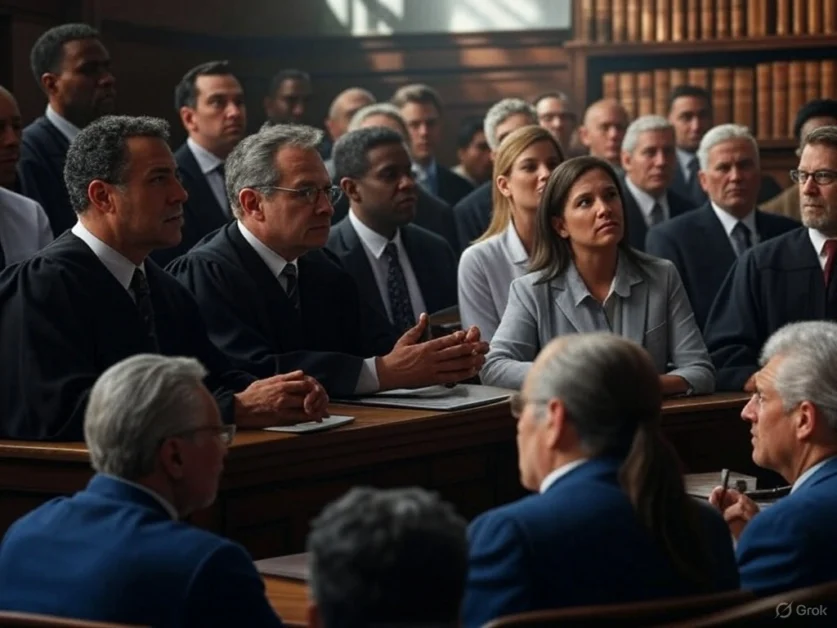
Development of Due Process in U.S. Legal System Dynamic Courtroom

The Historical Evolution of Due Process in American Jurisprudence

Due process in the United States is rooted in Magna Carta (1215) and is guaranteed by the Fifth and Fourteenth Amendments. Over time, American courts expanded it from basic procedural safeguards into both “procedural” and “substantive” protections against unfair government action. This article traces due process from its English origins through Reconstruction and key Supreme

The Historical Evolution of Due Process in American Jurisprudence Read More »

Social Media Slander Lawsuits and Legal Actions Explained

What Legal Steps Follow Social Media Defamation Cases?

After social media defamation, the next legal steps typically include preserving evidence, sending a cease-and-desist or retraction demand, and—if the harm is serious—filing a defamation lawsuit within the applicable statute of limitations. Because posts can spread quickly and be deleted or edited, timing, documentation, and platform policies often shape what remedies are available. This article

What Legal Steps Follow Social Media Defamation Cases? Read More »

Digital Platform Regulation Legal Hurdles and Insights

What Are the Legal Challenges in Regulating Digital Platforms?

Regulating digital platforms is legally challenging because lawmakers must balance free speech, privacy, competition, and consumer protection across rapidly evolving technologies and global jurisdictions. Conflicts between Section 230‑style liability shields, antitrust enforcement, data protection rules, and cross‑border compliance often create overlapping or inconsistent obligations for platforms. This article explains the main legal hurdles, key regulatory

What Are the Legal Challenges in Regulating Digital Platforms? Read More »

TikTok Fraud Legal Measures and Social Media Justice

What Legal Actions Are Taken Against Social Media Fraud on TikTok?

Legal actions against TikTok social media fraud typically include FTC and state AG enforcement, civil lawsuits for damages and injunctions, criminal fraud charges, and platform-based account bans. Outcomes can involve fines, restitution, asset freezes, and court orders stopping deceptive practices, depending on the scheme and jurisdiction. This article explains the main legal avenues, who can

What Legal Actions Are Taken Against Social Media Fraud on TikTok? Read More »

Offender Profiling Legal Acceptance Expert Witness Insights

Criminal Profiling in Court: Admissibility and Expert Testimony

Criminal profiling evidence is generally admissible only if it satisfies Daubert or Frye reliability requirements and fits Rule 702. Courts often limit profilers to explaining behavioral patterns, not identifying a specific defendant, to avoid unfair prejudice and speculation. This article covers admissibility standards, expert qualifications, and key constitutional and evidentiary objections. The intersection of criminal

Criminal Profiling in Court: Admissibility and Expert Testimony Read More »

Worldwide Crime Patterns and Global Legal System Actions

How Is International Law Responding to Global Crime Trends?

International law is responding to global crime trends by expanding cross-border cooperation through treaties, shared enforcement frameworks, and coordinated sanctions. As cybercrime, human trafficking, terrorism financing, and transnational corruption evolve faster than many national systems, states and international bodies are adapting rules and mechanisms to close jurisdictional gaps. This article explains the key legal instruments,

How Is International Law Responding to Global Crime Trends? Read More »

Misconduct by Prosecutors Reasons for Case Dismissal Guide

Prosecutorial Misconduct Examples: Grounds for Appeal or Dismissal

Prosecutorial misconduct can justify an appeal or dismissal when it violates due process, and courts may reverse convictions if the error was not harmless beyond a reasonable doubt. Common examples include Brady/Giglio violations, improper closing arguments, and knowingly presenting false testimony. This article explains key misconduct categories, legal standards, and remedies defendants can seek. The

Prosecutorial Misconduct Examples: Grounds for Appeal or Dismissal Read More »

Evidence Contamination Issues in Chain of Custody Errors Now

Chain of Custody Errors: Excluding Contaminated Evidence

A single unlogged transfer, broken seal, or unexplained custody gap can be enough to get evidence excluded. Courts require a documented, uninterrupted chain to show the item is the same and untampered, and significant breaks undermine reliability. This article explains common chain-of-custody mistakes and how attorneys argue for suppression of contaminated evidence. The integrity of

Chain of Custody Errors: Excluding Contaminated Evidence Read More »

Jury Selection Strategies with Voir Dire Questions for Cases

Voir Dire Questions: Selecting Favorable Jurors for Your Case

Voir dire typically allows 30–60 minutes per jury panel to ask voir dire questions that uncover bias and juror suitability. Asking targeted, case-specific questions helps attorneys identify attitudes and experiences that affect impartiality and supports informed challenges. This article covers core question types, red flags, and practical jury selection tactics. The process of voir dire

Voir Dire Questions: Selecting Favorable Jurors for Your Case Read More »

Scroll to Top