
Blog

How Hiring a Personal Injury Attorney Increases Your Chances of Success in New Mexico

Hiring a personal injury attorney can significantly increase your chances of winning fair compensation in New Mexico by preserving evidence, meeting strict filing deadlines, and negotiating from a position of strength. Insurance companies often minimize payouts, and a lawyer helps accurately value damages like medical bills, lost wages, and pain and suffering. This article explains […]
Read More
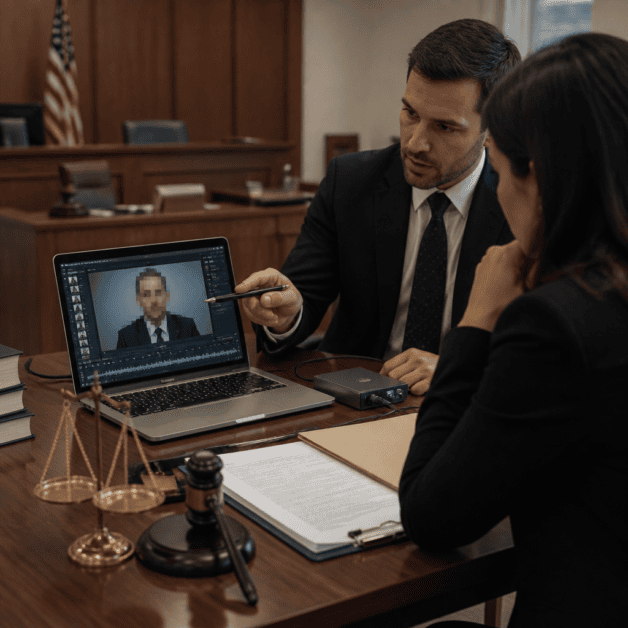
How to Respond to an Ai-generated Deepfake Video Used As Evidence in a California Civil Lawsuit

How to Respond to an AI-Generated Deepfake Video Used as Evidence in a California Civil Lawsuit

A suspected deepfake video can be excluded or sharply limited in a California civil case by timely evidentiary objections, targeted discovery, and expert authentication challenges under the Evidence Code. Deepfakes raise unique risks of fabrication, altered metadata, and misleading “reality cues” that can sway juries if not addressed early. This article explains a step-by-step California […]
Read More
How to Challenge an Ai Hiring Tool in New York City Under Local Law 144 and Anti-discrimination Rules

How to Challenge an AI Hiring Tool in New York City Under Local Law 144 and Anti-Discrimination Rules

New York City Local Law 144 requires employers using automated employment decision tools (AEDTs) to conduct an annual “bias audit” and publish key audit details before using the tool on NYC applicants. In practice, many employers still deploy AI screening systems that can disadvantage protected groups or violate notice rules. This article explains how to […]
Read More
How to Draft a California Llc Operating Agreement That Prevents Member Deadlock and Forced Dissolution

How to Draft a California LLC Operating Agreement That Prevents Member Deadlock and Forced Dissolution

A well-drafted California LLC operating agreement can reduce deadlock risk by adding at least 5 core mechanisms: voting thresholds, tie-breakers, buy-sell exits, interim management, and dissolution waivers. California LLCs often fail not from bad business, but from equal-member stalemates that paralyze decisions and invite petitions to dissolve. This article explains how to draft deadlock-proof provisions […]
Read More
How to File a Bodily Injury and Property Damage Claim After a Rear-end Collision in Phoenix, Arizona

How to File a Bodily Injury and Property Damage Claim After a Rear-End Collision in Phoenix, Arizona

In Arizona, you generally have 2 years to file a bodily injury or property damage lawsuit after a rear-end crash under A.R.S. § 12-542. Rear-end collisions are common in Phoenix traffic and often involve disputed injuries, delayed symptoms, and insurance pushback. This guide explains step-by-step how to file—and strengthen—a bodily injury and property damage claim […]
Read More
How to Challenge a California Dmv License Suspension After a Dui Arrest in Los Angeles (step-by-step Guide)

How to Challenge a California DMV License Suspension After a DUI Arrest in Los Angeles (Step-by-Step Guide)

Within 10 days of a DUI arrest in Los Angeles, you must request a California DMV administrative per se (APS) hearing to challenge an automatic license suspension. This DMV case is separate from the criminal court case and follows different rules and deadlines. This guide explains step-by-step how to request the hearing, obtain a stay, […]
Read More
How to Comply with California’s New Ca Sb 478 “hidden Fees” Law in Online Ads and Checkout Disclosures (2026)

How to Comply with California’s New CA SB 478 “Hidden Fees” Law in Online Ads and Checkout Disclosures (2026)

California SB 478’s “Hidden Fees” law requires businesses to include all mandatory fees in the advertised price shown to California consumers, including online ads and checkout flows. Beginning July 1, 2024 (with ongoing enforcement into 2026), violations can trigger actions under California’s consumer protection statutes. This article explains what SB 478 covers, how to structure […]
Read More
How to Draft an Enforceable Farmland Lease Agreement in Fresno County, California (2026 Checklist)

How to Draft an Enforceable Farmland Lease Agreement in Fresno County, California (2026 Checklist)

A Fresno County farmland lease is most enforceable when it is written, identifies the parcels and term with certainty, and clearly allocates water, rent, and farming obligations—because vague “handshake” terms are the fastest path to litigation. Fresno’s irrigated ag economy adds recurring disputes over water delivery, SGMA compliance, and crop/improvement costs. This 2026 checklist walks […]
Read More
How to Optimize Your Google Business Profile for a Personal Injury Law Firm in Phoenix, Az to Rank in the Local 3-pack

How to Optimize Your Google Business Profile for a Personal Injury Law Firm in Phoenix, AZ to Rank in the Local 3-Pack

Phoenix personal injury firms can win one of the 3 Local Pack spots by optimizing five GBP pillars: categories, proximity signals, reviews, services, and ongoing activity. In Phoenix, the “map” results often drive the majority of calls for high-intent searches like “car accident lawyer near me.” This article walks Phoenix PI firms through a step-by-step […]
Read More
How to Use Google Business Profile Posts to Increase “near Me” Visibility for Personal Injury Law Firms in Phoenix

How to Use Google Business Profile Posts to Increase “Near Me” Visibility for Personal Injury Law Firms in Phoenix

Google Business Profile (GBP) Posts can improve local engagement signals that help Phoenix personal injury firms appear more often in “near me” searches. In a market where proximity, relevance, and prominence drive the local map pack, Posts are one of the few levers you can control weekly without rebuilding your website. This guide explains exactly […]
Read More
How to Challenge a Rent Increase Above 10% Under California’s Tenant Protection Act (ab 1482) in Los Angeles County

How to Challenge a Rent Increase Above 10% Under California’s Tenant Protection Act (AB 1482) in Los Angeles County

A rent increase above 10% in Los Angeles County is often unlawful for many AB 1482–covered rentals because California’s Tenant Protection Act generally caps annual increases at 5% + local CPI, up to a maximum of 10%. In practice, a landlord raising rent more than that may violate state law unless the unit is exempt […]
Read More
Scroll to Top