Covers how artificial intelligence impacts legal rights and obligations, including privacy and data protection, intellectual property, liability for AI-driven decisions, employment and discrimination, consumer protection, cybersecurity, and regulatory compliance. Explore emerging laws, court decisions, and practical guidance for using, developing, or contracting for AI technologies.
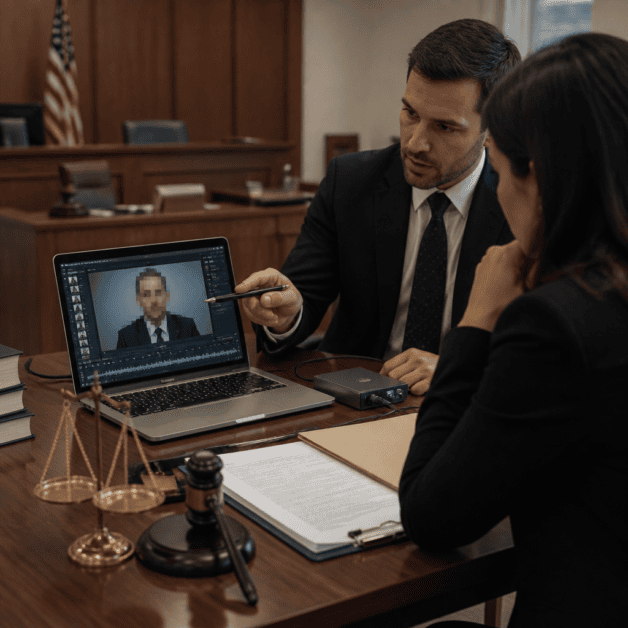
California courts can exclude an AI deepfake video unless the proponent authenticates it under Evidence Code § 1401, and the judge finds it is what they claim it is. In criminal cases, deepfakes raise acute risks of misidentification, fabrication, and unfair prejudice, especially when presented as “caught on video” proof. This article explains how California […]
A suspected deepfake video can be excluded or sharply limited in a California civil case by timely evidentiary objections, targeted discovery, and expert authentication challenges under the Evidence Code. Deepfakes raise unique risks of fabrication, altered metadata, and misleading “reality cues” that can sway juries if not addressed early. This article explains a step-by-step California […]
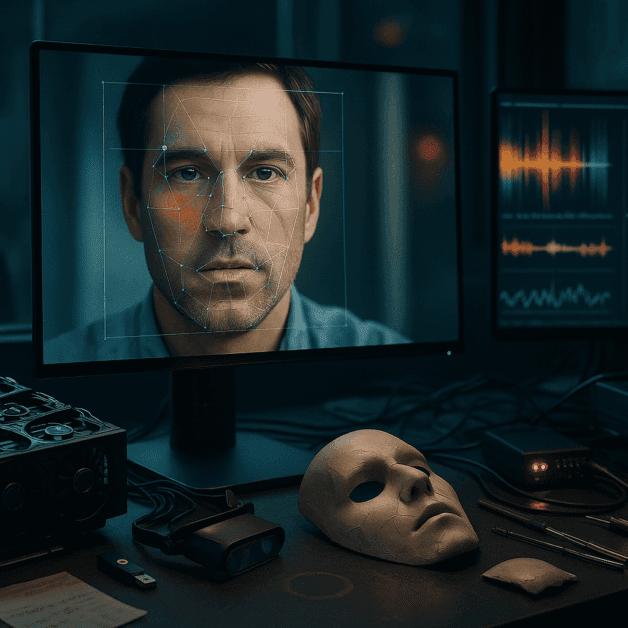
Many states now treat deepfake impersonation as a crime, and convictions can carry jail time, steep fines, and court-ordered restitution depending on the harm caused. These laws target AI-generated audio, images, or video used to falsely depict a real person for fraud, harassment, election interference, or other unlawful purposes. This article explains what qualifies as […]