Covers how artificial intelligence is used in litigation and court operations, including admissibility and reliability of AI-generated evidence, algorithmic bias, expert testimony, discovery and e-discovery tools, and judicial decision-support systems. Also addresses ethical duties, privacy and data security, due process concerns, and emerging rules and case law governing AI in courtroom practice.
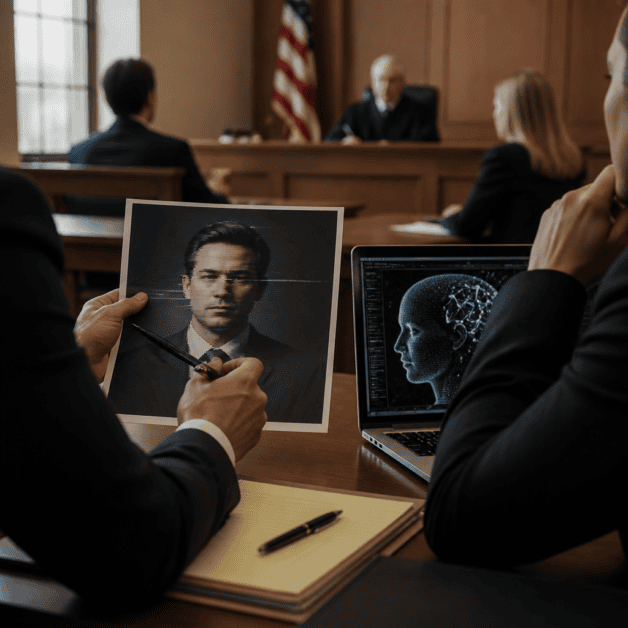
AI-generated evidence can be excluded or limited in federal court by applying at least five core evidentiary gates—authentication (FRE 901/902), relevance and prejudice (FRE 401–403), hearsay (FRE 801–807), expert reliability (FRE 702/Daubert), and the best evidence rule (FRE 1001–1008). As AI outputs (deepfakes, synthetic audio, LLM summaries) appear more often in 2026 litigation, courts are […]
In Los Angeles Superior Court, you can challenge AI-generated evidence by forcing the proponent to prove reliability under California Evidence Code §§ 801–802 and by obtaining disclosure of the model’s inputs, methodology, and error rates. As AI summaries, facial comparisons, “risk scores,” and synthetic media increasingly appear in criminal and civil cases, courts are scrutinizing […]
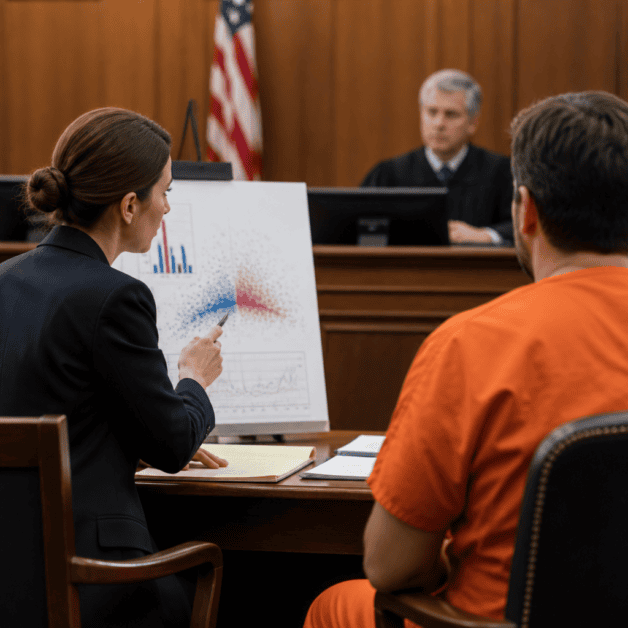
AI-generated risk assessment scores can add 6–12 months or more to a recommended sentence when courts treat “high risk” labels as aggravating. These tools—often based on proprietary algorithms—are now used in many jurisdictions at bail, probation, and sentencing, raising due process, confrontation, and reliability concerns. This article gives defense counsel a step-by-step strategy to identify […]
In California sentencing hearings in 2026, attorneys can challenge AI-generated risk assessment scores through discovery, evidentiary objections, and due process arguments grounded in California’s determinate sentencing framework. Courts are increasingly asked to rely on “risk” tools for custody, probation, and supervision decisions, even when the underlying model is opaque. This article explains practical motions, hearing […]
California courts can exclude AI-generated audio evidence unless the prosecution proves it meets the Kelly-Frye “general acceptance” standard and Evidence Code reliability requirements. As deepfakes and voice-cloning spread, criminal cases increasingly feature disputed recordings, jail calls, and “confessions.” This article explains how to challenge AI audio in California criminal court—motions, hearings, experts, and cross-examination strategies […]
California judges must “consider” risk assessments at sentencing, but under People v. Dueñas (2019) and People v. Hernandez (2022), defense counsel can challenge reliability, notice, and due process—often winning limits or exclusion. COMPAS-style scores raise accuracy, bias, and transparency issues that matter under California’s evidence and sentencing rules. This article explains California-specific strategies to object, […]
Courts in at least 20 states now use algorithmic risk assessment tools at some stage of criminal sentencing or supervision. These AI-adjacent scores can materially affect incarceration length, probation conditions, and release decisions. This article explains how defense counsel can challenge AI-generated risk scores under Daubert/Frye, procedural and substantive due process, confrontation principles, and practical […]
Challenging AI-generated evidence in California state court typically requires 5 moves: early preservation demands, targeted discovery, authentication objections, expert-driven reliability attacks, and tailored motions in limine. California’s Evidence Code and Civil Discovery Act already provide strong tools to expose how a model produced (or fabricated) an output. This guide explains practical objections, discovery requests, expert […]
AI risk scores can affect bail and sentencing outcomes, and California courts must protect a defendant’s due process rights when such tools are used. Across California criminal sentencing hearings, judges increasingly encounter algorithmic “risk assessment” inputs from probation or pretrial services. This article explains practical, California-focused ways to challenge AI-generated risk scores through discovery, evidentiary […]
The ruling heightens lawyers’ duty to verify AI-generated evidence and statements, making certain assurances legally risky. Courts now expect documented human review and candor about AI use to avoid sanctions or malpractice exposure. This article explains the five words lawyers may stop saying and what to say instead under the new standard. What Just Changed […]