
Administrative Law

Task Delegation: Maximize Income Growth for Practicing Attorneys

Delegating Non Legal Tasks to Focus on Revenue Generation

Practicing attorneys frequently ask, “How can delegating non-legal tasks help me focus on revenue generation?” Unlike traditional legal practice models where attorneys handle every aspect of their work, modern successful practitioners understand that strategic delegation represents the most effective pathway to increased profitability and sustainable practice growth. By systematically transferring administrative, clerical, and routine tasks […]

Delegating Non Legal Tasks to Focus on Revenue Generation Read More »

Referral Strategies: Boosting Case Flow for Legal Professionals

Building a Strategic Attorney Referral Network That Generates Consistent Cases

Individuals seeking to expand their legal practice frequently ask, “How can attorneys build a strategic referral network that consistently generates new cases?” The answer lies in understanding that attorney referral networks represent one of the most powerful and cost-effective methods for sustainable practice growth. Unlike digital marketing campaigns that require constant investment, a well-constructed referral

Building a Strategic Attorney Referral Network That Generates Consistent Cases Read More »

Legal Hurdles: Strengthen Cross-Border Solutions for Advocates

Due Process Challenges in Cross-Border Legal Disputes

Individuals facing international legal disputes frequently ask, “What constitutional protections apply when legal proceedings cross national borders?” The answer reveals a complex intersection of due process rights, jurisdictional authority, and extraterritorial constitutional application that challenges traditional notions of American legal sovereignty. Unlike domestic litigation where constitutional protections remain clearly defined, cross-border legal disputes create unprecedented

Due Process Challenges in Cross-Border Legal Disputes Read More »

AI Reliability: Enhance Trust in Technology for Legal Experts

Legal AI Trust Deficit: How to Build Confidence in Technology

Legal professionals frequently ask, “Why don’t lawyers trust artificial intelligence technology despite its proven capabilities in other industries?” The answer lies in a fundamental tension between the legal profession’s demand for absolute precision and AI’s probabilistic nature. While 82% of legal professionals believe generative AI can be applied to legal work, only 25% actually trust

Legal AI Trust Deficit: How to Build Confidence in Technology Read More »

Legal Rights: Strengthen Civil Commitment Cases for Advocates

How Due Process Applies to Civil Commitment Proceedings

Legal professionals frequently ask, “How do constitutional due process protections apply to civil commitment proceedings?” Unlike criminal prosecutions, civil commitment involves the state’s power to confine individuals based on mental health status and predicted dangerousness, creating unique constitutional challenges that require careful balance between individual liberty and public safety. Due process rights in civil commitment

How Due Process Applies to Civil Commitment Proceedings Read More »

What Dentists Need to Know About the Latest Legal Shifts in Dental Practice

The legal footing of dental practice in the United States is shifting in ways that demand close attention – not only for regulatory compliance, but for the practical effects on day-to-day operations. From reimbursement reform and sedation safety to insurance fairness and new licensure pathways, recent changes could shape how, where, and under what conditions

What Dentists Need to Know About the Latest Legal Shifts in Dental Practice Read More »

Fair Trial Approaches: Strengthen Justice for Tribal Court Advocates

Due Process Considerations in Tribal Courts

Legal practitioners frequently ask, “What due process protections apply in tribal court proceedings?” The answer lies in understanding that tribal courts operate under a unique framework established by the Indian Civil Rights Act of 1968, which provides specific procedural safeguards while respecting tribal sovereignty and self-governance principles. Unlike federal and state courts that derive their

Due Process Considerations in Tribal Courts Read More »

Federal Contract Insights: Enhances Case Outcomes for Legal Experts

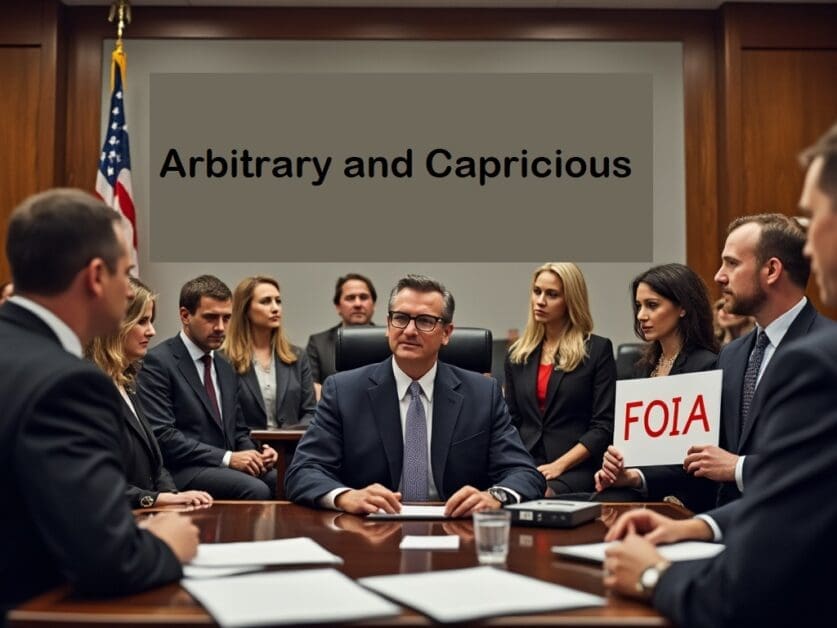
How does the arbitrary and capricious standard apply in federal government contract cases?

Government contractors frequently ask, “How does the arbitrary and capricious standard apply when challenging federal agency decisions in procurement cases?” The answer lies in understanding that this judicial review standard serves as the primary mechanism for courts to evaluate whether government agencies have acted reasonably within their statutory authority. Under the Administrative Procedure Act, courts

How does the arbitrary and capricious standard apply in federal government contract cases? Read More »

Scroll to Top