Filing a bankruptcy petition can stop most collection efforts immediately through the automatic stay and may eliminate or restructure qualifying debts. For individuals and businesses overwhelmed by bills, it can provide court-supervised protection and a path toward financial stability. This article explains what a bankruptcy petition is, how Chapter 7 and Chapter 13 work, what […]
Read More
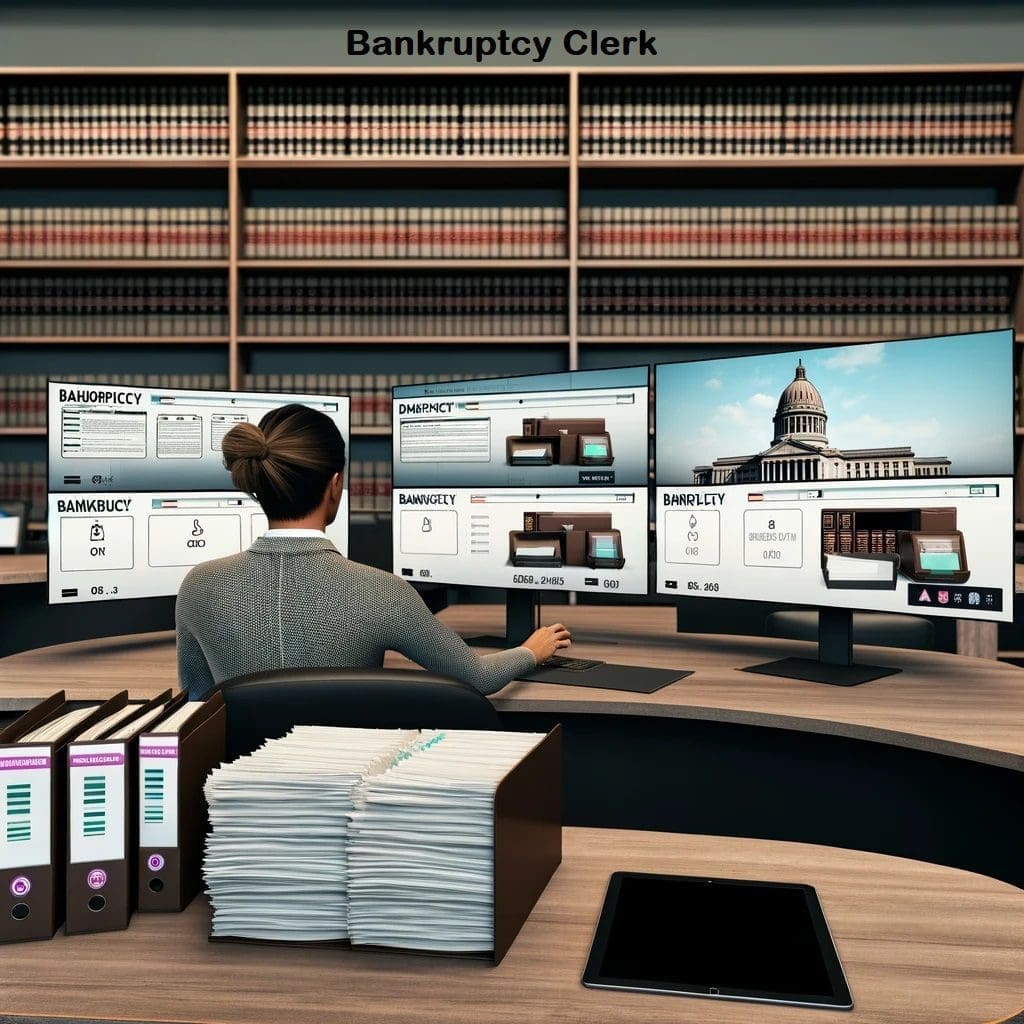
What to know about bankruptcy clerks in court.
A bankruptcy clerk in court manages case filings, docket entries, notices, fees, and hearing calendars to keep bankruptcy proceedings on track. Clerks support bankruptcy judges and ensure records are accurate and deadlines are met for debtors and creditors. This article explains core responsibilities, what clerks can’t do (legal advice), and how to work with the […]
Read More
Reveals a Judge’s Ultimate Say in Bankruptcy
In bankruptcy, the judge has final authority to approve or deny key actions, even when creditors and the trustee agree. That power affects outcomes on matters like plan confirmation, asset sales, exemptions, and discharge disputes. This article explains where a judge’s discretion is strongest, what standards guide those rulings, and how to position your case […]
Read More
How Do Expert Litigation Lawyers Protect Your Legal Rights?
Expert civil litigation lawyers protect your rights through 4 core actions: evidence gathering, legal strategy, deadline compliance, and skilled negotiation. They assess claims, manage motions and discovery, and position you for settlement or trial while reducing risk. This article explains how litigation counsel handles common civil disputes and safeguards your interests. In the realm of […]
Read More
What Services Do Expert Bankruptcy Attorneys Provide for Relief?
Expert bankruptcy attorneys typically provide 6 core services: case evaluation, chapter selection, petition preparation, creditor negotiation, court representation, and post-discharge guidance. They can also help stop collections through the automatic stay and protect exempt assets. This article covers how these services work for individuals and businesses seeking debt relief. Navigating through financial turbulence can be […]
Read More
Why Real-World Bankruptcy Success Stories Matter Now
Bankruptcy can eliminate qualifying unsecured debts and, in some cases, resolve them in as little as 3–6 months through Chapter 7. Real-world success stories show how people and small businesses use the process to stop collection pressure, protect essential assets, and rebuild financial stability. This article explains why these outcomes matter now, what makes a […]
Read More
How Bankruptcy Ensures Your Protected Financial Freedom?
Bankruptcy can eliminate or restructure qualifying debts—often unsecured obligations like credit cards and medical bills—while protecting key assets through exemptions and the automatic stay. It’s a court-supervised legal process designed to stop most collection actions and give you a realistic path to regain control of your finances. This article explains how Chapters 7 and 13 […]
Read More
Chapter 7 Bankruptcy: Your Ultimate Guide to a Fresh Start
Chapter 7 bankruptcy can erase most unsecured debts—like credit cards and medical bills—in about 3–6 months, giving many filers a true financial fresh start. In exchange, you may have to surrender nonexempt property, but exemptions often let you keep essentials such as a car, household goods, and retirement accounts. This guide explains eligibility (means test), […]
Read More
Debt Settlement vs Bankruptcy Pros and Cons: Understanding Your Financial Recovery Options
Debt settlement can cut balances by about 30–50% through creditor negotiation, while bankruptcy can discharge many unsecured debts in roughly 3–6 months (Chapter 7) or repay over 3–5 years (Chapter 13). The better long-term relief depends on your income, assets, debt type, and how quickly you need legal protection from collection. This article compares eligibility, […]
Read More
Debt Consolidation vs Bankruptcy: A Comprehensive Guide to Legal Rights and Financial Recovery Options
Bankruptcy can discharge most unsecured debts in about 3–6 months (Chapter 7), while debt consolidation repays debts over 2–7 years without court protection. Consolidation may lower interest and simplify payments, but bankruptcy triggers the automatic stay and offers stronger legal relief. This article explains eligibility, legal protections, costs, risks, and recovery outcomes for each option. […]
Read More
Bankruptcy Lawyers in High Demand: Trends and Insights
U.S. bankruptcy filings increased 13.1% to 529,080 cases in the 12 months ending March 31, 2025, driving higher demand for bankruptcy lawyers. Rising consumer debt, higher interest rates, and economic volatility are pushing more individuals and businesses toward court protection. This article explains the key trends, causes, and practical insights for clients and firms. The […]
Read More
The Ultimate Guide to Filing for Bankruptcy: Steps, Types, and Consequences
Filing for bankruptcy typically takes 4–6 months for Chapter 7 and 3–5 years for Chapter 13 repayment plans. The process includes credit counseling, petition filing, an automatic stay, and a court trustee review, with possible debt discharge or restructuring. This article explains types, step-by-step filing, and key consequences for credit, assets, and future finances. Filing […]
Read More