Explore a wealth of resources dedicated to consumer rights and protections within the legal landscape. Visitors will find insightful articles, informative video interviews with experienced attorneys, and comprehensive definitions of key legal terms related to consumer protection. Stay informed about your rights and the legal avenues available for addressing unfair business practices, deceptive advertising, and product safety issues.
A quitclaim deed transfers 100% of whatever ownership interest the signer has, with zero warranties or title guarantees. Because it requires minimal verification, it can unintentionally give away property rights or create title problems. This article explains what quitclaim deeds are, common uses, key risks, and how to protect yourself. What Is a Quitclaim Deed? […]
The AI Non-Sentience Act states that AI systems are not sentient and have 0 legal rights or personhood. This clarification keeps legal responsibility with the humans and companies that develop, deploy, and rely on AI in products, services, and decisions. This article explains the practical business impacts on liability, contracts, compliance, and risk management. Understanding […]
Synthetic influencers are legally treated differently because AI avatars can’t “hold” rights or intent, shifting liability to brands and creators under FTC endorsement rules. Regulators still require clear, conspicuous disclosure and truth-in-advertising compliance, while IP, publicity, and consumer protection claims attach to the humans/companies behind them. This article explains the evolving rules, key risks, and […]
Suing an AI chatbot company for bad advice usually hinges on arbitration clauses and proving negligence or deceptive practices, and many claims get dismissed early. You’ll need dated chat logs, reliance proof, and documented damages (e.g., $2,000 loss) to have leverage. This article walks through the complaint, the company’s defenses, and what happened next. When […]
Most denied insurance claims can be overturned if you appeal within the policy’s deadline and submit missing proof, because many denials hinge on exclusions, notice, or documentation. Insurers often issue an initial denial as a starting position, not the final word. This article explains common denial reasons, how to fix them, and when to involve […]
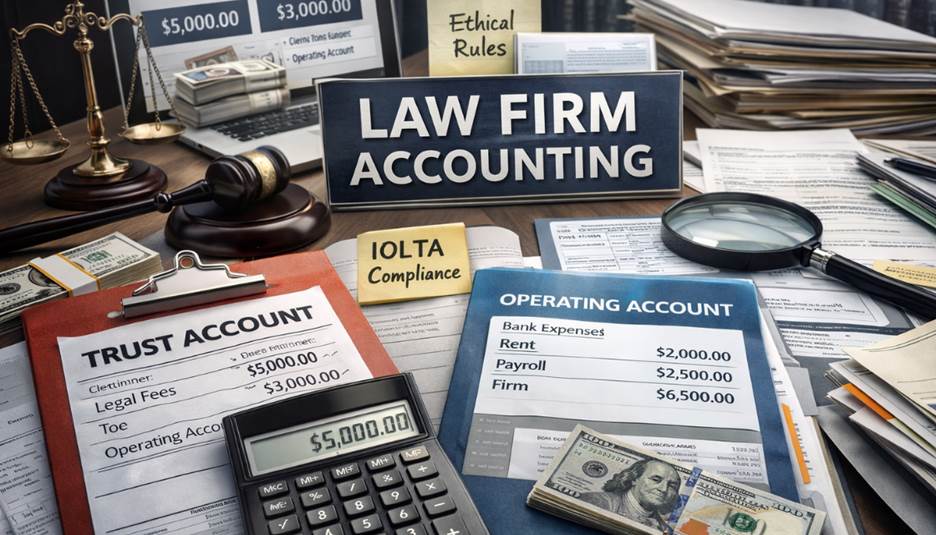
Law firm accounting hinges on strict separation of client trust funds from operating money, with IOLTA accounts required in most jurisdictions for qualifying client deposits. Because mishandling retainers, settlement proceeds, or earned fees can trigger audits, discipline, and repayment, compliant bookkeeping is a risk-management necessity—not just an admin task. This article explains trust accounting basics, […]
Over 50% of small business owners delay legal setup until after launching, increasing their risk of personal liability and costly disputes. The biggest drivers are time pressure, startup costs, and misinformation about “simple” businesses. This article explains the most-missed protections—entity formation, contracts, policies, and compliance—and when to handle each. Starting a business feels exciting. You […]
Regulatory compliance is an organization’s adherence to applicable laws, regulations, and industry standards that govern its operations. It helps reduce legal exposure, avoid fines and enforcement actions, and maintain customer and regulator trust. This article explains the basics, key requirements, and how companies build effective compliance programs. Regulatory compliance refers to an organization’s adherence to […]
Unconscionability is a contract defense that can make an unfair agreement—or a specific clause—unenforceable when there’s both procedural unfairness (how it was formed) and substantive unfairness (what it requires). Courts use it to prevent one-sided terms imposed through unequal bargaining power, deception, or lack of meaningful choice. This article explains the legal definition, key elements, […]
An arbitration clause is a contract provision that requires disputes be decided by 1 private arbitrator (or panel) instead of a court. It typically limits access to a judge or jury and sets rules for filing, fees, and the process. This article explains how arbitration clauses work, common pros and cons, and when they may […]
Product liability is a legal doctrine that can hold 3 parties—manufacturers, distributors, and sellers—responsible for injuries caused by defective products. It applies when a product is unreasonably dangerous due to a design defect, manufacturing defect, or inadequate warnings. This article explains the basics, common claim types, and what consumers can do after an injury. Product […]
Strict liability makes a person or company legally responsible for harm even without proving negligence or intent. It commonly applies to defective products, certain animal injuries, and abnormally dangerous activities like explosives. This article explains what strict liability is, when it applies, and key defenses and examples. Understanding Strict Liability in Simple Terms Imagine you […]