Civil Law
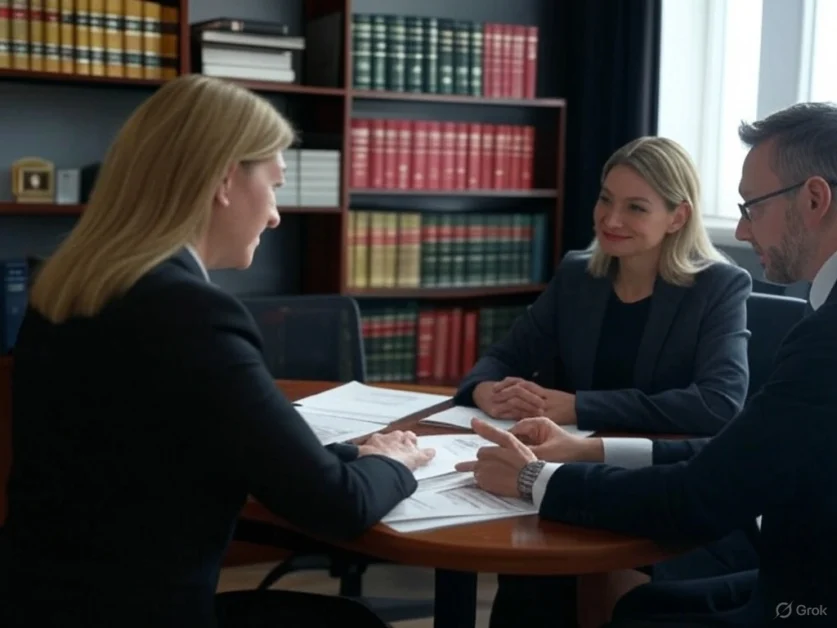
<a href="https://attorneys.media"><img class="aligncenter size-full wp-image-32258" src="http://attorneys.media/wp-content/uploads/2023/12/civil-law.jpg" alt="Navigating the Intricacies of Civil Law: Professional Legal Settings Explored" width="1024" height="1024" /></a>
<strong>Civil Law: Navigating the Intricacies of Non-Criminal Legal Systems</strong>
Civil law, a pivotal aspect of the legal system, guides non-criminal legal disputes, shaping the foundation of societal interactions. This comprehensive overview delves into its significance, offering practical advice for navigating civil cases.
<strong>Understanding Civil Law's Role in Society</strong>
Civil law, distinct from criminal law, addresses disputes between individuals or organizations. Its domain includes contract law, property issues, and family law, emphasizing the resolution of conflicts and the restoration of rights. In civil law, the plaintiff seeks recompense or relief from a defendant, unlike criminal law where the state prosecutes the accused for societal harm.
<strong>Key Elements in Civil Law Cases</strong>
Civil cases typically involve the assertion of rights or seeking remedies. Essential components include:
<ul>
<li><strong>Contractual Disputes:</strong> Arising from disagreements over the terms or execution of a contract.</li>
<li><strong>Property Matters:</strong> Encompassing issues like ownership, rights, and real estate transactions.</li>
<li><strong>Family Law:</strong> Covering marriage, divorce, child custody, and related personal matters.</li>
</ul>
<strong>Effective Strategies for Civil Law Litigation</strong>
Navigating civil law requires strategic planning and legal knowledge. Key strategies include:
<ul>
<li><strong>Understanding Legal Rights:</strong> Comprehending one's legal position is crucial for effective advocacy.</li>
<li><strong>Evidence Gathering:</strong> Collecting relevant documentation and witness statements strengthens the case.</li>
<li><strong>Legal Representation:</strong> Engaging with knowledgeable attorneys offers guidance through complex legal processes.</li>
</ul>
<strong>The Role of Mediation in Civil Law</strong>
Mediation, an alternative dispute resolution method, plays a significant role in civil law. It involves a neutral third party aiding disputing parties in reaching a mutually satisfactory agreement, often leading to quicker, cost-effective solutions.
<strong>Impact of Civil Law on Society</strong>
Civil law's influence extends beyond courtrooms. It shapes societal norms, influencing how individuals and organizations interact and resolve disputes. Its fair and structured approach ensures that personal and property rights are respected and protected.
<strong>Staying Informed and Prepared in Civil Law Matters</strong>
Remaining updated on civil law advancements and understanding legal rights are key to navigating this legal arena successfully. Individuals facing civil law issues should consider consulting legal professionals to ensure informed decision-making and effective resolution of disputes.
<strong>Conclusion</strong>
Civil law, a cornerstone of the legal system, is integral in resolving non-criminal disputes. By understanding its principles and seeking professional advice, individuals can navigate civil law effectively, ensuring their rights and interests are protected.
222 posts