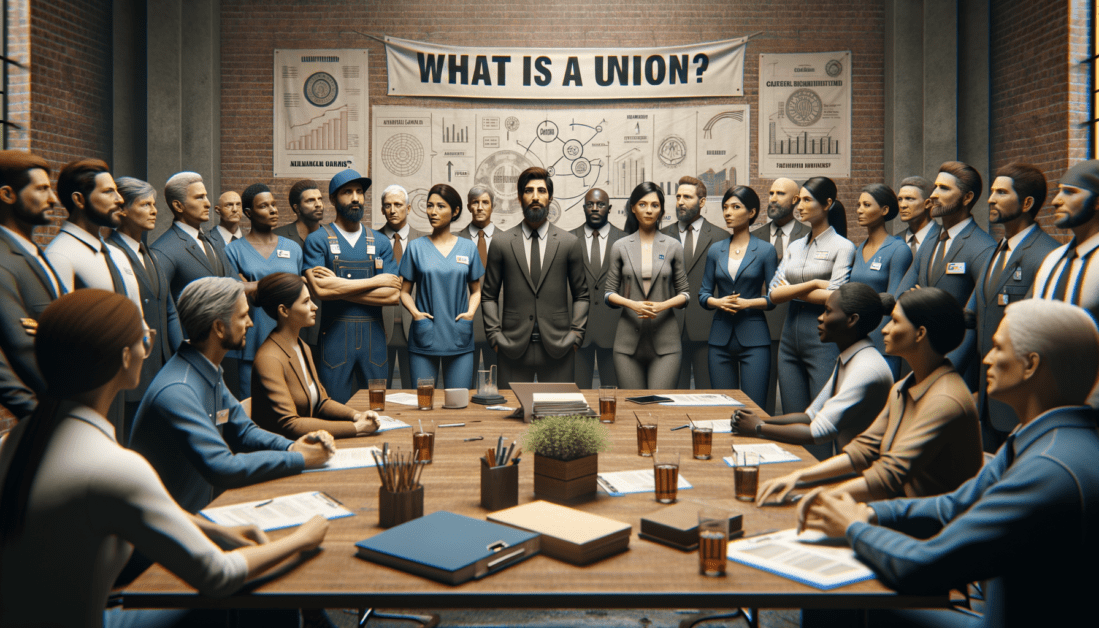
Explore comprehensive resources on the dynamic interactions between employers, employees, and labor unions, featuring expert video interviews and insightful articles. Delve into discussions on collective bargaining, workers' rights, and employment law, all crafted to enhance your understanding of labor relations without offering legal advice. This category serves as a valuable hub for navigating the complexities of workplace dynamics and labor law compliance.
Collective bargaining is the legal process where employees, usually through a union, negotiate with an employer over wages, benefits, schedules, and working conditions, typically resulting in a binding collective bargaining agreement (CBA). In the U.S., most private‑sector collective bargaining is governed by the National Labor Relations Act (NLRA). This article explains how collective bargaining works, […]
A union is an organization of workers that negotiates with an employer for better pay, benefits, and working conditions through collective bargaining. In the U.S., unions are governed largely by the National Labor Relations Act, which protects many employees’ rights to organize and act together. This article explains what unions are, how they work, key […]
February 23, 2026•By Attorneys.Media Editorial Staff
Know your federal employee rights: fair wages, safe working conditions, protection from discrimination. Whether you work on-site or remotely, these protections apply. Violations? Document everything and consider consulting an employee rights attorney to protect your interests in any industry.
February 14, 2026•By Attorneys.Media Editorial Staff
Collective bargaining empowers workers to negotiate wages, benefits, and conditions through union representatives. This process involves plea bargaining strategies where both sides compromise, with attorney bargaining strategies guiding negotiations toward fair agreements that benefit all parties.