Legal Commentary

Explore in-depth insights and analyses on current legal issues through expert commentary from seasoned attorneys and legal scholars. This category features thought-provoking articles, video interviews, and discussions that illuminate various aspects of law, including case law interpretations, legal reforms, and emerging trends in the legal industry. Stay informed and enhance your understanding of the legal landscape with our comprehensive resources tailored for both legal professionals and the general public.

125 posts
Competency to Stand Trial: Mental Health in Criminal Cases

Competency to Stand Trial: Mental Health in Criminal Cases

Competency to stand trial means a defendant must be able to understand the proceedings and assist counsel, and courts can pause a criminal case until competency is restored. When mental illness, intellectual disability, brain injury, or acute impairment raises doubt, judges order evaluations and may require treatment before the case moves forward. This article explains […]
Read More
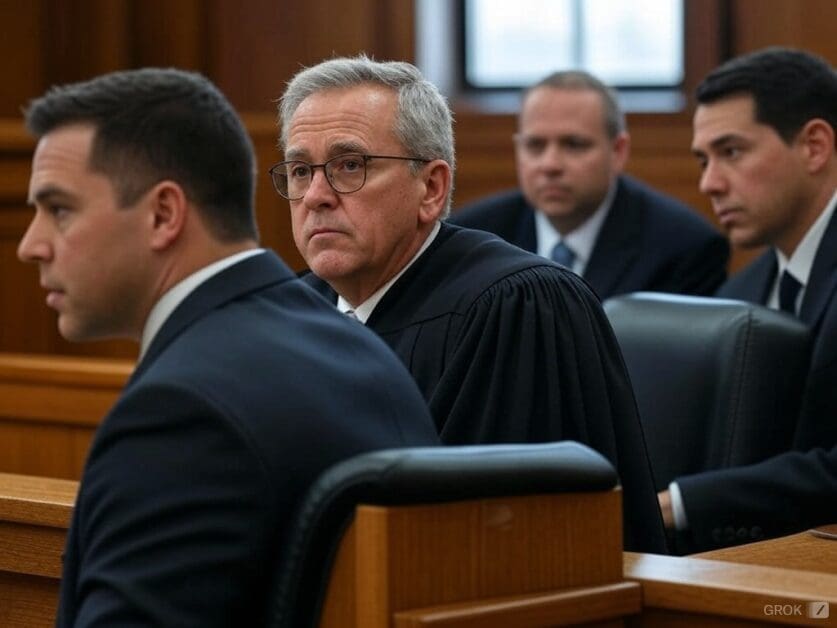
Mandatory Minimum Sentences: Navigating Strict Penalties

Mandatory Minimum Sentences: Navigating Strict Penalties

Mandatory minimum sentences impose fixed prison terms for specific crimes, often preventing judges from reducing penalties below the statutory floor. These laws can sharply increase incarceration exposure based on the charge, drug quantity, or use of a firearm, making early defense strategy critical. This article explains how mandatory minimums work, common triggers and exceptions, and […]
Read More
Launching Your Business: Legal Essentials for Entrepreneurs

Launching Your Business: Legal Essentials for Entrepreneurs

Entrepreneurs should address 5 core legal essentials before launch: entity formation, tax registration, IP protection, key contracts, and regulatory compliance. Doing these early reduces liability and prevents costly disputes as you grow. This article explains each step and when to consult a business attorney. The journey of entrepreneurship is fraught with challenges, and among the […]
Read More
What Are Protective Orders Laws in United States?

What Are Protective Orders Laws in United States?

Protective orders in the United States are court-issued orders that restrict contact and can require stay-away provisions to protect victims from abuse, stalking, or threats. Every state and D.C. has its own statutes, with different filing requirements, durations, and enforcement penalties. This article explains who qualifies, how to get an order, what it can include, […]
Read More
What Are Pyramid and Ponzi Schemes Laws in United States?

What Are Pyramid and Ponzi Schemes Laws in United States?

In the United States, pyramid and Ponzi schemes are illegal and can trigger federal charges like securities fraud and wire/mail fraud, carrying penalties of up to 20 years per count. The SEC, FTC, and DOJ, plus state attorneys general, investigate and prosecute these frauds and seek restitution. This article covers key federal/state laws, enforcement, penalties, […]
Read More
Habeas Corpus: Challenging Unlawful Detention

Habeas Corpus: Challenging Unlawful Detention

A habeas corpus petition asks a court to review whether a person’s detention is lawful and can result in release, a new hearing, or other relief. It’s a constitutional safeguard against arbitrary imprisonment and is commonly used after conviction or during custody challenges in state and federal courts. This article explains what habeas corpus is, […]
Read More
Speedy Trial Rights: Timely Justice in Criminal Cases

Speedy Trial Rights: Timely Justice in Criminal Cases

The Sixth Amendment guarantees a speedy trial in all criminal prosecutions, and many states also set specific statutory deadlines (often 60–180 days). Courts weigh factors like length of delay, reasons, the defendant’s assertion of the right, and prejudice. This article explains constitutional and statutory speedy-trial rules, common delay issues, and potential remedies such as dismissal. […]
Read More
Chain of Custody: Ensuring Evidence Integrity in Criminal Trials

Chain of Custody: Ensuring Evidence Integrity in Criminal Trials

Chain of custody is the documented record of evidence custody and transfers from collection to courtroom presentation. Courts rely on it to show evidence wasn’t altered, contaminated, or mishandled, which affects admissibility and weight. This article explains the process, key documentation steps, and common challenges in criminal trials. The chain of custody is a critical […]
Read More
Criminal Profiling: Legal Uses and Limitations in Investigations

Criminal Profiling: Legal Uses and Limitations in Investigations

Criminal profiling is an investigative aid, not standalone proof, and it can narrow suspect pools by analyzing crime-scene and victim patterns. U.S. courts generally admit profiling testimony only when it meets expert-evidence reliability standards and does not imply guilt. This article explains how profiling is used, where it fails, and the legal limits in investigations. […]
Read More
Prosecutorial Misconduct: Grounds for Case Dismissal

Prosecutorial Misconduct: Grounds for Case Dismissal

Prosecutorial misconduct can justify case dismissal when it causes a due process violation or irreparable prejudice, and courts can dismiss charges with prejudice. Common misconduct includes withholding exculpatory evidence (Brady), improper arguments, and witness tampering. This article explains key grounds, legal standards, and remedies defendants can seek. Prosecutorial misconduct is a serious issue in the […]
Read More
Mistrial in Criminal Cases: Causes and Consequences

Mistrial in Criminal Cases: Causes and Consequences

A mistrial in criminal cases ends the trial early and makes the proceedings legally invalid before a verdict. It commonly occurs due to a hung jury, juror misconduct, prosecutorial/defense error, or prejudicial evidence that undermines fairness. This article explains key causes, immediate court steps, and consequences like retrial, dismissal, or plea negotiations. A mistrial in […]
Read More
Agency expertise and its impact on arbitrary and capricious determinations

Agency expertise and its impact on arbitrary and capricious determinations

Courts often uphold agency decisions under the “arbitrary and capricious” standard when the agency demonstrates relevant technical expertise and a reasoned explanation grounded in the record. That deference is strongest in complex, science- or policy-heavy matters, but it weakens when agencies fail to explain, ignore important evidence, or contradict prior positions without justification. This article […]
Read More
1 4 5 6 7 8 11
Scroll to Top