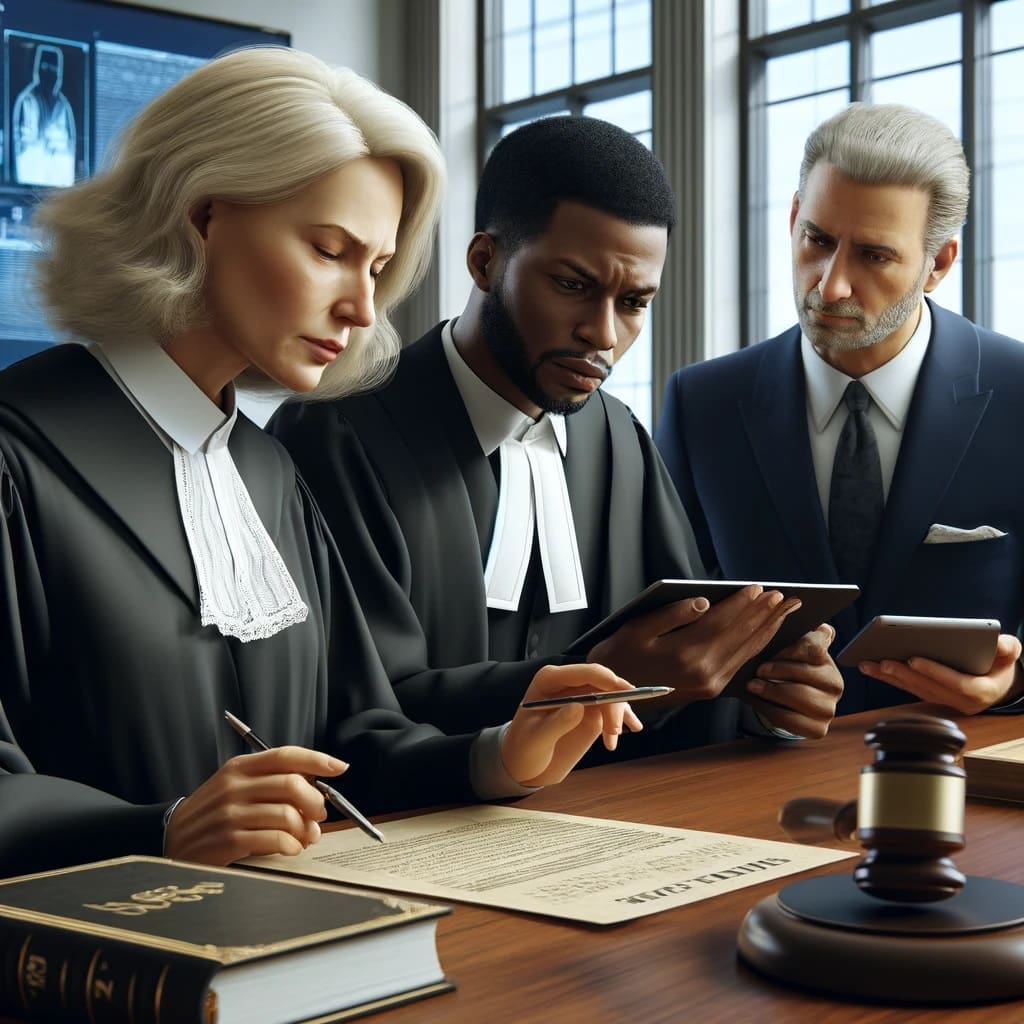
Explore a comprehensive collection of articles and resources focused on the principles and standards governing legal ethics. Visitors will find insightful content covering attorney conduct, client confidentiality, conflict of interest, and professional responsibility. Stay informed on the latest developments and best practices in legal ethics, ensuring adherence to the highest standards in the legal profession.
Product liability lets injured consumers seek compensation from manufacturers, distributors, or retailers for harm caused by defective or unreasonably dangerous products. Claims commonly involve design defects, manufacturing defects, or inadequate warnings, and recovery may include medical costs, lost wages, and pain and suffering. This article explains your legal rights, who can be held liable, key […]
A legal malpractice claim generally requires proving 4 elements: duty, breach, causation, and damages. If an attorney’s negligence caused you financial harm, you may be able to recover losses, but strict statutes of limitations and proof hurdles apply. This article explains malpractice basics, legal protections, and the steps to document, evaluate, and pursue a claim. […]
Embezzlement is the fraudulent taking of money or property by someone trusted with it, and it can be charged as a misdemeanor or felony depending on the amount and jurisdiction. Prosecutors typically must prove a trust relationship, lawful access, and intentional conversion for personal use. This article explains legal frameworks, common red flags, prevention steps, […]
“Beyond the scope” means an action exceeds the defined authority, duties, or agreed boundaries—often triggering liability or invalidating the act. It commonly arises in contracts, scope of employment, and attorney-client representation when someone oversteps delegated power. This article explains the term, where it applies, and how to avoid overreach. Understanding ‘Beyond the Scope’ in Legal […]
The Best Evidence Rule generally requires the original writing, recording, or photograph (or a legally acceptable duplicate) to prove its contents in court. It limits testimony about what a document says unless an exception applies, such as loss, destruction, or inaccessibility not caused by bad faith. This article explains the rule, common exceptions, and how […]
Beyond a reasonable doubt is the highest standard of proof in criminal cases, requiring jurors to be firmly convinced of guilt with no reasonable doubt. It exists to reduce wrongful convictions because criminal penalties can include jail or prison. This article explains the definition, how it’s applied in trials, and common misconceptions. Understanding Beyond A […]
A bench trial is a trial decided by 1 judge who determines both the facts and the law, with no jury. It’s often used when issues are highly technical, the parties waive a jury, or speed and cost are priorities. This article explains the bench trial process, strategic pros and cons, and how bench trials […]
A bench conference is a private, on-the-record discussion at the judge’s bench between the judge and attorneys, usually outside the jury’s hearing. It’s used to resolve objections, evidentiary disputes, and sensitive procedural issues without prejudicing jurors. This article explains when they occur, what’s discussed, and how they shape trial strategy. Bench conferences are a critical […]
Attorney-client privilege generally protects confidential communications between a client and their attorney made for legal advice. It can be lost through waiver (like sharing with third parties) and doesn’t cover crime-fraud or purely business communications. This guide explains what’s covered, key exceptions, and practical steps to keep communications protected. With the ever-increasing complexities of legal […]
An Alford plea lets a defendant plead guilty while still asserting innocence, and most states allow it, though some courts restrict or refuse it. Judges must find a strong factual basis and confirm the plea is knowing and voluntary, often where trial risks are high. This article explains how Alford pleas work, key pros/cons, and […]
An alibi can defeat a criminal charge by proving the defendant was elsewhere at the time of the crime. Strong alibis rely on corroboration such as credible witnesses, timestamps, video, location data, or receipts, and must be disclosed and vetted carefully. This article explains key legal rules, strategy, and pitfalls in building and challenging alibi […]
To convict for aiding and abetting, prosecutors typically must prove 2 things: you knowingly assisted the crime and intended to help it succeed. Mere presence or association is usually not enough without proof of encouragement or aid. This guide explains accomplice liability, core elements, defenses, and steps to protect your rights. When facing aiding and […]