
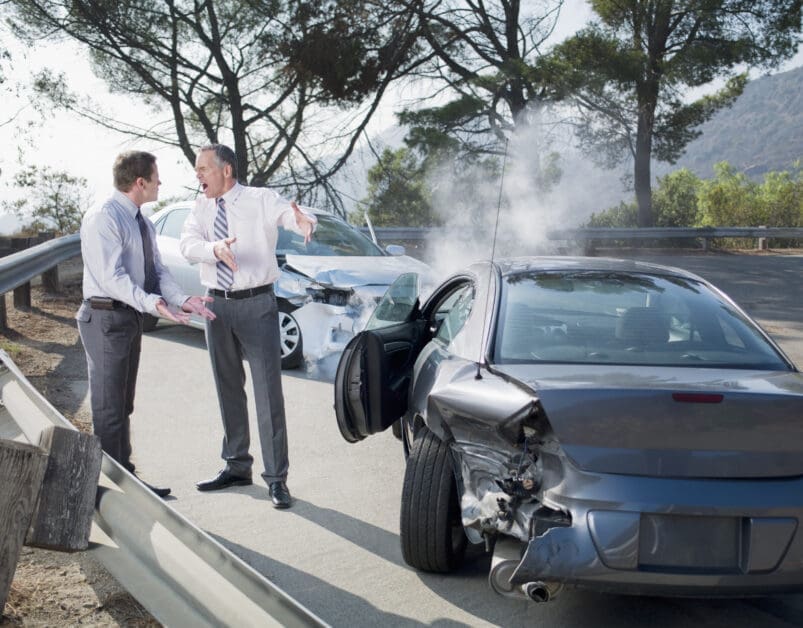
How Fault Is Investigated When Both Drivers Tell Different Stories
Sugar Land’s busy streets and growing network of residential and commercial areas bring drivers into close proximity every day, making clear accounts of a collision especially important when an accident occurs. Yet crashes do not always come with an agreed-upon explanation. When two drivers describe the same event differently, determining what actually happened requires more than simply deciding whose story sounds more convincing. Investigators may need to piece together physical conditions, vehicle damage, witness observations, recordings, and other objective information to establish how the collision unfolded. The timing and consistency of each account can also matter when compared against evidence from the scene.
For injured drivers in Sugar Land, understanding how these competing versions are evaluated can help prevent assumptions from shaping an insurance or injury claim. A careful investigation can reveal whether one account is supported by independent facts and whether another party’s actions contributed to the crash. A Sugar Land car accident lawyer can help examine that evidence and protect a claimant’s position when fault remains disputed.
Evidence from the Crash Scene
A crash scene can preserve facts that drivers cannot recall accurately. Investigators review vehicle positions, debris patterns, skid marks, lane markings, traffic signals, roadway conditions, and photographs taken after impact. Damage location also matters. A crushed front corner, damaged rear panel, or side impact can support one account over another. Investigators compare those patterns with each driver’s description, although damage alone rarely proves fault. Police reports are another source of information. Officers record statements, citations, weather, road conditions, visible injuries, and observations made during the response. Dispatch records can help establish when calls came in and what witnesses reported before memories changed.
Comparing Driver Statements
Investigators examine each statement for consistency, timing, and physical support. A driver who changes important details, contradicts photographs, or describes an impossible vehicle movement faces greater scrutiny. Witness statements help when they describe what happened before the impact. A witness who saw a traffic light, lane change, or distracted driver provides more useful information than someone who heard the crash without seeing it.
Video, Phone, and Vehicle Data
Traffic cameras, business security systems, dashboard cameras, and nearby doorbell cameras can settle disputed facts. Investigators check timestamps, camera angles, image quality, and whether the recording captured the moments before impact. Cellphone records can show calls, messages, or data usage near the time of the crash. Those records do not prove exactly what a driver was doing, but they can support claims involving distraction.
Some vehicles store crash-related information, including speed, braking, seatbelt use, and accelerator activity. Access depends on the vehicle, the damage, ownership, and applicable legal procedures. Investigators must preserve the vehicle before repairs alter relevant evidence.
Traffic Rules and Negligence
Texas negligence claims require proof that another person acted unreasonably and caused harm. Investigators compare the evidence with traffic laws governing speed, lane changes, turns, following distance, signals, and right of way. Texas follows modified comparative negligence rules. A person assigned more than 50 percent responsibility generally cannot recover damages, while a person assigned 50 percent or less has damages reduced by that percentage.
How Insurance Companies Assess Conflicting Accounts
A legal review helps preserve evidence, identify responsible parties, assess comparative fault, and calculate damages tied to medical care, lost income, property damage, pain, and lasting impairment. Insurance adjusters review statements, reports, photographs, repair estimates, medical records, and available video. They also look for gaps between the reported injuries, treatment history, and claimed losses. They can ask for recorded statements or documents that affect fault and damages. A driver should provide accurate information, but speculation, guesses, and unnecessary admissions can create problems later. This can prevent the claim from escalating to a lawsuit or trial.
Steps That Protect a Fault Investigation
A driver should seek medical care, report the collision, photograph vehicles and surroundings, and collect witness contact information. Copies of the crash report, repair records, insurance correspondence, and medical bills should remain organized. Social media posts can undermine credibility when they conflict with injury claims or inaccurately describe the collision. Drivers should also avoid repairing, selling, or discarding a damaged vehicle before the relevant evidence is properly reviewed.
Conclusion
Conflicting stories do not make fault impossible to prove. The strongest investigation connects each driver’s account to independent evidence, including scene photographs, vehicle damage, witness testimony, video, dispatch records, and medical documentation. Anyone involved in a disputed Sugar Land collision should preserve records, avoid speculating about fault, and promptly report any changes in symptoms. A timely review of the evidence can protect a claim before repairs, deleted recordings, or inconsistent statements weaken the available proof.
Published with permission from Lone Star Injury Attorneys – Texas














