
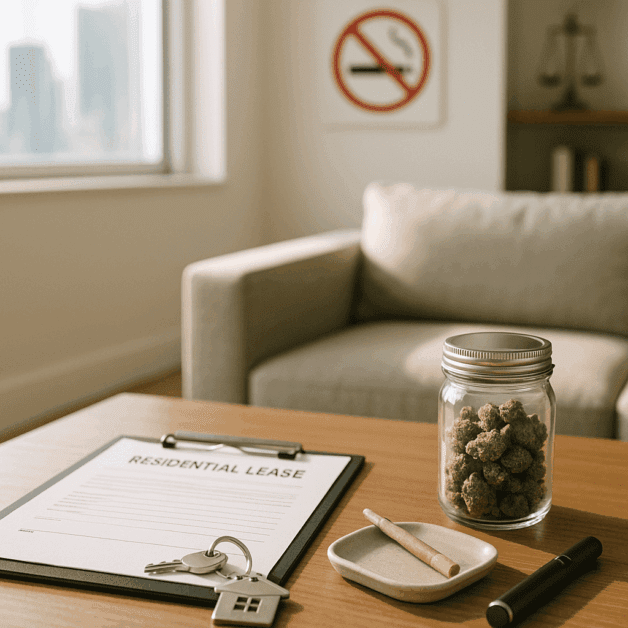
Landlords and Weed – Can They Ban Smoking in a Legal State?
Yes—landlords in legal states can ban smoking weed in rentals if the lease or building rules prohibit it. Federal illegality, smoke/odor nuisance, and insurance or housing program requirements often support these bans, even for medical users. This article explains how lease terms, state laws, and enforcement affect tenants and landlords.
The Growing Conflict Between Cannabis Laws and Rental Housing
As more states across the country legalize recreational and medical marijuana, millions of renters are running into the same confusing question: can my landlord still ban me from smoking weed even if it’s legal where I live? The short answer is yes — and understanding why can save you a lot of trouble before you sign a lease or light up in your apartment.
This issue sits right at the crossroads of landlord-tenant law, cannabis rights, lease terms, and property rights. It affects millions of people, and the rules are not always clear. Let’s break it all down in plain language so you know exactly where you stand.
State Legalization Does Not Overrule a Landlord’s Rules
When a state legalizes cannabis, it means you won’t be arrested by state law enforcement for using it. What it does not mean is that every space in that state becomes a legal place to consume it. Just like you can legally drink alcohol but your landlord can still ban drinking on the property, the same logic applies to marijuana.
Landlords have the legal right to set rules about what happens inside and on their property. This is a basic part of property rights that courts have consistently supported. Rental units are private property, and the landlord gets to decide how that property is used — within reason and within the law.
So even in states like Colorado, California, Michigan, or Illinois where adult-use cannabis is completely legal, your landlord can still include a no-smoking or no-cannabis clause in your lease. If they do, you’re expected to follow it.
Why Landlords Often Ban Cannabis Use
Landlords don’t always ban cannabis out of personal disagreement with it. There are several practical and legal reasons why a property owner might want to restrict its use:
- Smoke damage: Cannabis smoke, like tobacco smoke, can leave stains, odors, and residue on walls, carpets, and ceilings that are expensive to clean or repair.
- Complaints from other tenants: Smoke and odors travel through ventilation systems, walls, and shared hallways, which can upset neighbors.
- Insurance concerns: Some property insurance policies have clauses that could be affected by cannabis use or cultivation on the premises.
- Federal law conflicts: Cannabis is still illegal under federal law. Landlords with federally backed mortgages or those operating in federally assisted housing programs may be required to enforce no-cannabis policies to stay in compliance.
- Property value: Landlords may worry about long-term impacts on the value of their investment.
What Your Lease Actually Says Matters Most
Before anything else, read your lease carefully. The lease is a legally binding contract between you and your landlord. If it includes a no-smoking policy or specifically bans cannabis use, those terms are enforceable in most states.
Common lease clauses related to this issue include:
- No-smoking clauses: These may cover all forms of smoking, including cannabis, tobacco, and vaping.
- Cannabis-specific bans: Some newer leases specifically call out marijuana or cannabis by name to avoid any confusion.
- Nuisance clauses: Even if smoking isn’t directly banned, a clause about not disturbing other tenants could be used against you if your cannabis use is creating odors or complaints.
If your lease bans smoking and you violate that clause, your landlord has grounds to issue a notice to cure (fix the problem) or even begin eviction proceedings. Depending on your state’s landlord-tenant law, the process may vary, but the end result can be losing your home.
Can a Landlord Ban Even Medical Marijuana?
This is where things get a little more complicated. In states with medical marijuana programs, some tenants have asked whether they are entitled to use cannabis as a medical accommodation — similar to how landlords must make reasonable accommodations for people with disabilities under fair housing laws.
The answer here is not simple and often depends on the state. Here’s the general breakdown:
- Federal housing (Section 8, public housing): Because cannabis remains illegal under federal law, federally subsidized housing programs are not required to make exceptions for medical marijuana users, even in legal states.
- Private landlords: Some states have passed laws that provide limited protections for medical cannabis users. For example, certain states have ruled that landlords cannot discriminate against someone solely because they are a registered medical cannabis patient. However, these protections do not always extend to the right to smoke inside a rental unit.
- Alternative consumption methods: Even where some protections exist, landlords may still ban smoking specifically while allowing other forms of cannabis use, like edibles or tinctures, which don’t involve smoke or odor.
If you are a medical cannabis patient and facing housing issues, it’s worth consulting with a local attorney who knows your state’s specific laws. This area of law is still evolving rapidly.
What Rights Do Tenants Actually Have?
Tenants do have rights, and it’s important to know what protections may be in your corner:
- Right to know the rules upfront: Landlords should clearly outline any no-smoking or no-cannabis policies before you sign the lease. If restrictions were not disclosed and are being added mid-lease, your landlord may not be able to enforce them until your lease renews.
- Right to negotiate lease terms: Before signing, you can try to negotiate lease terms. If cannabis use is important to you, ask about it upfront and get any agreements in writing.
- Protection from retaliation: Most states protect tenants from retaliation by landlords. If your landlord suddenly tries to evict you for cannabis use right after you complained about a maintenance issue, that could be considered unlawful retaliation.
- State-specific protections: A handful of states are starting to pass tenant protections related to cannabis. For example, some states prohibit landlords from evicting tenants solely for off-premises cannabis use.
Smoking vs. Other Methods of Consumption
It’s worth pointing out that many landlord restrictions are specifically about smoking, not cannabis use in general. If your lease says “no smoking,” it may be targeting the act of smoking itself — the smoke, the odors, and the damage — rather than cannabis specifically.
This means that in some cases, using cannabis in non-smoking forms might technically be allowed, even if smoking is not. Forms of cannabis that don’t involve combustion or smoke include:
- Edibles (gummies, chocolates, beverages)
- Tinctures or oils taken under the tongue
- Capsules or pills
- Topicals (creams, balms — these don’t produce any psychoactive effect when applied to the skin)
However, even vaping — which many people assume is odor-free — can be restricted, and some leases now explicitly include vaping in their no-smoking clauses. Again, read the actual language of your lease carefully.
What Happens If You Break the Rules?
If you use cannabis in violation of your lease, here’s what could happen:
- Warning or notice to cure: Your landlord may issue a written warning and give you a set number of days to stop the behavior.
- Lease termination: If violations continue, your landlord may move to terminate the lease.
- Eviction proceedings: In more serious cases or after repeated violations, your landlord may file for eviction through the courts.
- Loss of security deposit: If cannabis smoke caused damage to the unit, your landlord can deduct cleaning or repair costs from your security deposit.
It’s not worth the risk. If you want to use cannabis in your rental, talk to your landlord openly before doing it — or before signing the lease in the first place.
Tips for Renters Who Use Cannabis
If cannabis is a part of your lifestyle and you’re renting or looking to rent, here are some straightforward steps you can take:
- Ask directly before you sign: Don’t assume it’s okay because it’s legal in your state. Ask the landlord or property manager specifically about their policy on cannabis use.
- Get everything in writing: If a landlord says they’re okay with it, make sure that’s reflected in the lease or in a written addendum.
- Consider consumption methods: Opting for edibles or other non-smoking options can reduce conflict with lease terms and neighbors.
- Be a considerate neighbor: Even if smoking is allowed, being mindful of shared spaces and the impact on others around you goes a long way.
- Know your state laws: Look up your state’s specific landlord-tenant law as it relates to cannabis. Laws are changing quickly, and you may have protections you’re not aware of.
The Bottom Line
Living in a state where cannabis is legal does not automatically give you the right to use it in your rental home. Landlords retain strong property rights that allow them to restrict or ban cannabis use through lease terms, regardless of state law. At the same time, the legal landscape is changing, and some states are beginning to create limited protections for cannabis users — especially medical patients.
The smartest thing any renter can do is understand their lease thoroughly, communicate openly with their landlord, and know their rights under local landlord-tenant law. When in doubt, talk to a local attorney who can give you guidance based on the specific rules in your state.
Cannabis legalization is still a relatively new and rapidly developing area of law. The rules around housing and cannabis rights will likely continue to evolve — but for now, your lease and your landlord’s property rights hold a lot of power over what you can and can’t do inside your rented home.














