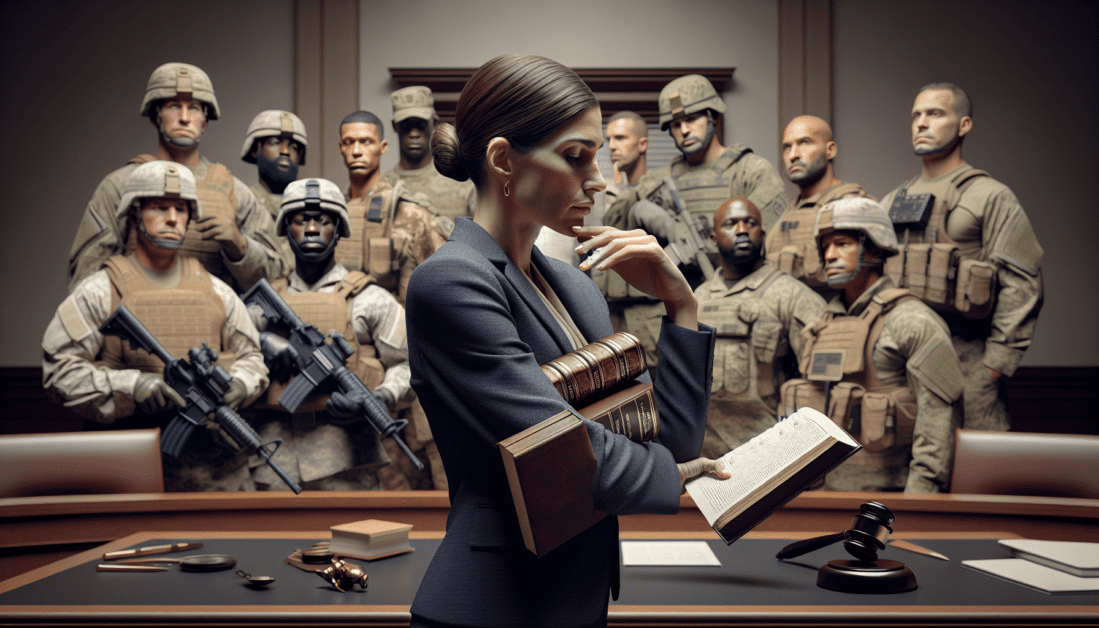
Military Law Explained: Your Complete UCMJ Guide
Understanding Military Law: A Comprehensive Overview of the Uniform Code of Military Justice
Military law operates differently from civilian law, and the Uniform Code of Military Justice (UCMJ) serves as the foundation for all legal matters involving service members. This unique legal system governs the conduct of active-duty personnel, reservists, and in some cases, retired military members.
The UCMJ was established by Congress in 1950 to create a standardized set of laws across all branches of the armed forces. It covers everything from minor infractions to serious criminal offenses, providing a framework that maintains order and discipline within the military ranks.
Key Components of Military Law
The military justice system includes several distinct features that set it apart from civilian courts:
- Court-Martial Proceedings: These military courts handle violations of the UCMJ, ranging from summary courts-martial for minor offenses to general courts-martial for serious crimes.
- Non-Judicial Punishment: Also known as Article 15, this allows commanders to address minor misconduct without a formal trial.
- Chain of Command Authority: Military commanders have significant legal authority over their subordinates, including disciplinary powers.
Beyond criminal matters, military law also encompasses areas that directly affect service members’ personal lives. Military family law addresses unique challenges faced by military families, including deployment-related custody issues and special divorce considerations. The intersection of military family divorce law with state laws creates complex situations requiring specialized knowledge.
Understanding military divorce jurisdiction is crucial, as service members may be stationed far from their legal residence. Additionally, military pension division follows specific federal guidelines under the Uniformed Services Former Spouses’ Protection Act, which determines how retirement benefits are distributed during divorce proceedings.
Whether you’re an active-duty service member, veteran, or military spouse, knowing your rights and responsibilities under the UCMJ is essential for navigating the military legal system effectively.
Understanding Military Law: A Comprehensive Overview of the Uniform Code of Military Justice
Military law operates under a unique legal system known as the Uniform Code of Military Justice (UCMJ). This specialized framework governs all members of the United States Armed Forces, including active duty, reserve, and National Guard personnel when activated. Unlike civilian law, military law covers both criminal offenses and violations specific to military service.
The UCMJ was established in 1950 to create uniform legal standards across all military branches. It serves multiple purposes:
- Maintaining good order and discipline within military ranks
- Ensuring mission readiness and effectiveness
- Protecting the rights of service members
- Addressing offenses unique to military service
Military law differs significantly from civilian law in several key areas. Service members can face prosecution for actions that would be legal in civilian life, such as adultery, fraternization, or disrespecting a superior officer. Additionally, military courts operate differently from civilian courts, with proceedings like courts-martial replacing traditional jury trials.
For military families, understanding military law becomes especially important during major life events. Military family law encompasses unique considerations in divorce proceedings, including military pension division and determining proper military divorce jurisdiction. Military family divorce law must account for deployment schedules, base housing, and benefit considerations that civilian divorces don’t face.
The UCMJ applies worldwide, following service members wherever they’re stationed. This global jurisdiction means that military personnel remain subject to military law whether they’re on base, deployed overseas, or on leave in their hometown. Understanding these fundamental aspects of military law helps service members and their families navigate the unique legal landscape of military life.
Understanding Military Law: A Comprehensive Overview of the Uniform Code of Military Justice
Military law operates as a distinct legal system that governs all members of the United States Armed Forces. At its core lies the Uniform Code of Military Justice (UCMJ), a federal law enacted by Congress that establishes the framework for military justice and discipline.
The UCMJ applies to all active duty service members, reservists on active duty, and National Guard members in federal service. Unlike civilian law, military law extends beyond criminal matters to include regulations that maintain order, discipline, and readiness within the armed forces.
Key Components of Military Law
The military justice system includes several unique elements that differ from civilian courts:
- Courts-martial serve as military criminal trials with different levels based on offense severity
- Non-judicial punishment allows commanders to address minor offenses without formal court proceedings
- Military judges and panels composed of service members decide cases
- The Manual for Courts-Martial provides detailed procedures and maximum punishments
How Military Law Affects Service Members and Families
Beyond criminal matters, military law significantly impacts personal and family issues. Military family law encompasses unique considerations for divorce proceedings, child custody arrangements, and support obligations. Service members facing military family divorce must navigate both state laws and federal military regulations.
The UCMJ also addresses military pension division during divorce, establishing specific rules for dividing retirement benefits. Understanding military divorce jurisdiction becomes crucial when spouses live in different states or overseas.
Whether dealing with disciplinary actions or family legal matters, service members should understand their rights and obligations under military law. This knowledge helps protect both their military career and personal interests while ensuring compliance with the unique requirements of military service.
Understanding Military Law: A Comprehensive Overview of the Uniform Code of Military Justice
Military law operates as a distinct legal system that governs all members of the United States Armed Forces. At the heart of this system lies the Uniform Code of Military Justice (UCMJ), a federal law enacted by Congress that establishes the framework for military justice and discipline.
The UCMJ applies to all active-duty service members, reservists on active duty, National Guard members in federal service, and certain retired military personnel. Unlike civilian law, military law extends beyond criminal matters to include regulations governing conduct, appearance, and professional standards that maintain good order and discipline within the ranks.
Key Components of Military Law
The military justice system includes several unique features:
- Courts-martial proceedings that serve as military criminal trials
- Non-judicial punishment options for minor offenses
- Administrative actions for misconduct
- A separate appeals process through military appellate courts
Service members face accountability under both military law and civilian law, meaning they can be prosecuted in both systems for certain offenses. This dual jurisdiction creates unique legal situations that require specialized understanding.
Military Family Law Considerations
Military law significantly impacts family legal matters. Military family divorce law involves specific federal protections and benefits that don’t exist in civilian divorces. The Servicemembers Civil Relief Act provides important protections during deployments, while military pension division follows federal guidelines that supersede state laws.
Understanding military divorce jurisdiction is crucial, as cases may involve multiple states or countries. Military family law attorneys must navigate complex regulations regarding benefits, housing allowances, and healthcare coverage that directly affect divorce settlements and child custody arrangements.
Whether facing disciplinary action or dealing with family legal matters, service members and their families benefit from understanding how military law differs from civilian law and knowing their rights under the UCMJ.
Understanding Military Law: A Comprehensive Overview of the Uniform Code of Military Justice
Military law operates differently from civilian law, creating a unique legal system that governs all members of the armed forces. The Uniform Code of Military Justice (UCMJ) serves as the foundation of military law in the United States, establishing rules and regulations that service members must follow both on and off duty.
The UCMJ covers a wide range of legal matters, from criminal offenses to administrative actions. Unlike civilian courts, military law addresses conduct that might not be considered illegal in civilian life, such as being absent without leave (AWOL) or showing disrespect to a superior officer. This comprehensive legal framework ensures good order and discipline within the military ranks.
For military families, understanding military law becomes especially important during major life events. Military family law encompasses unique considerations that civilian families don’t face. When it comes to military family divorce law, service members and their spouses must navigate complex issues like:
- Determining proper military divorce jurisdiction across state lines
- Understanding deployment’s impact on custody arrangements
- Calculating military pension division under federal guidelines
- Addressing housing allowances and military benefits
The military justice system includes different types of courts-martial, ranging from summary courts-martial for minor offenses to general courts-martial for serious crimes. Each type follows specific procedures and carries different maximum punishments.
Service members facing legal issues should understand their rights under the UCMJ, including the right to military defense counsel and the unique appeal process through military courts. Whether dealing with disciplinary actions, family law matters, or criminal charges, knowing how military law works helps protect service members’ rights and interests throughout their military career.