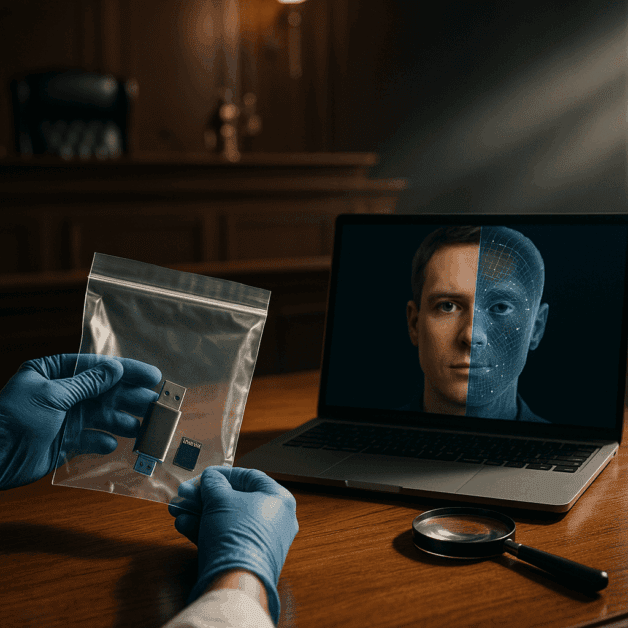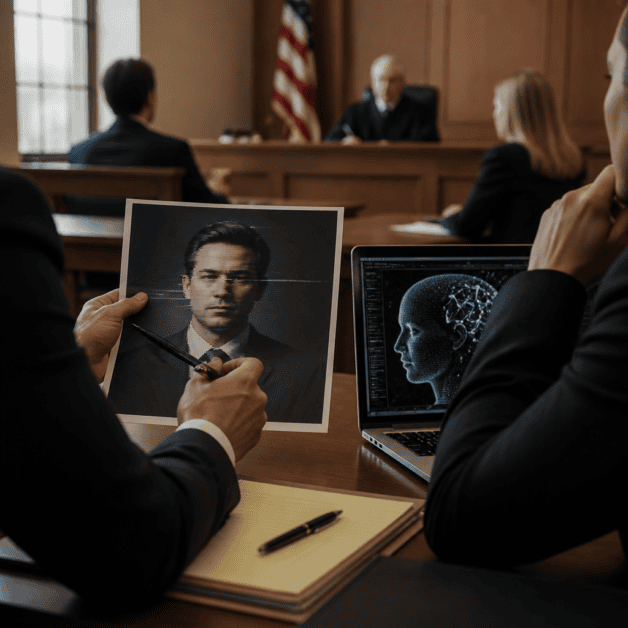
AI-generated evidence

How to Challenge AI-Generated Evidence Under the Federal Rules of Evidence in 2026

How to Challenge AI-Generated Evidence Under the Federal Rules of Evidence in 2026

AI-generated evidence can be excluded or limited in federal court by applying at least five core evidentiary gates—authentication (FRE 901/902), relevance and prejudice (FRE 401–403), hearsay (FRE 801–807), expert reliability (FRE 702/Daubert), and the best evidence rule (FRE 1001–1008). As AI outputs (deepfakes, synthetic audio, LLM summaries) appear more often in 2026 litigation, courts are […]

How to Challenge AI-Generated Evidence Under the Federal Rules of Evidence in 2026 Read More »

How to Challenge AI-Generated Evidence in Los Angeles Superior Court Under California Evidence Code §§ 801–802

How to Challenge AI-Generated Evidence in Los Angeles Superior Court Under California Evidence Code §§ 801–802

In Los Angeles Superior Court, you can challenge AI-generated evidence by forcing the proponent to prove reliability under California Evidence Code §§ 801–802 and by obtaining disclosure of the model’s inputs, methodology, and error rates. As AI summaries, facial comparisons, “risk scores,” and synthetic media increasingly appear in criminal and civil cases, courts are scrutinizing

How to Challenge AI-Generated Evidence in Los Angeles Superior Court Under California Evidence Code §§ 801–802 Read More »

How to Prove AI-Generated Deepfake Evidence Is Inadmissible Under the Federal Rules of Evidence (2026)

How to Prove AI-Generated Deepfake Evidence Is Inadmissible Under the Federal Rules of Evidence (2026)

Courts can exclude AI deepfakes under at least 5 core Federal Rules of Evidence—401/402, 403, 901, 702, and 802—when authenticity, reliability, or prejudice can’t be cured. As synthetic media gets easier to create, litigators must be ready to attack manipulated audio, video, images, and “AI transcripts” before they shape the factfinder’s view. This article explains

How to Prove AI-Generated Deepfake Evidence Is Inadmissible Under the Federal Rules of Evidence (2026) Read More »

How to Challenge AI-Generated Evidence in California Courts Under the California Evidence Code and Due Process Rights

How to Challenge AI-Generated Evidence in California Courts Under the California Evidence Code and Due Process Rights

Californians can challenge AI-generated evidence by attacking authentication, relevance, reliability, and prejudice under the California Evidence Code, and by invoking due process when the defense cannot meaningfully test the system. As AI outputs appear in criminal and civil cases—from deepfakes to automated “risk” scores—courts are being asked to decide what qualifies as trustworthy proof. This

How to Challenge AI-Generated Evidence in California Courts Under the California Evidence Code and Due Process Rights Read More »

Gavel beside a glowing AI digital screen in court

How to Challenge an Opponent’s AI-Generated Evidence in California State Court (2026 Guide)

Challenging AI-generated evidence in California state court typically requires 5 moves: early preservation demands, targeted discovery, authentication objections, expert-driven reliability attacks, and tailored motions in limine. California’s Evidence Code and Civil Discovery Act already provide strong tools to expose how a model produced (or fabricated) an output. This guide explains practical objections, discovery requests, expert

How to Challenge an Opponent’s AI-Generated Evidence in California State Court (2026 Guide) Read More »

Scroll to Top