Biometric Privacy

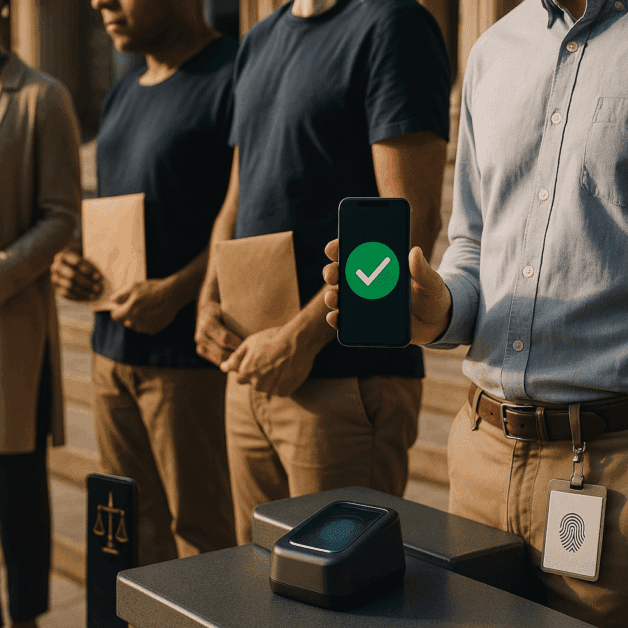
Biometric privacy concerns the laws and rights that govern how organizations collect, use, store, and share unique physical or behavioral identifiers—such as fingerprints, facial scans, voiceprints, or iris scans. It typically requires notice and consent and sets security and retention rules to prevent misuse, unauthorized access, or identity-related harm.

How to Challenge Police Use of Facial Recognition in Texas: Fourth Amendment, Due Process, and Discovery Requests

How to Challenge Police Use of Facial Recognition in Texas: Fourth Amendment, Due Process, and Discovery Requests

Texas defendants can challenge police facial recognition on at least 3 fronts: the Fourth Amendment, due process, and targeted discovery. Texas agencies increasingly use vendor tools and regional databases, often without clear policies or validation. This guide explains suppression theories, constitutional arguments, and practical discovery requests for Texas state and federal cases. Why facial recognition […]

How to Challenge Police Use of Facial Recognition in Texas: Fourth Amendment, Due Process, and Discovery Requests Read More »

Watch: Lawyer Explains Criteria for Taking on Personal Injury Claims

How to Enforce Your Right to Opt Out of AI Model Training Using Illinois Biometric Data Under BIPA in 2026

Illinois residents can seek statutory damages of $1,000 per negligent violation and $5,000 per reckless/intentional violation under the Biometric Information Privacy Act (BIPA). In 2026, that leverage increasingly applies to AI systems trained on “biometric identifiers” or “biometric information,” including face geometry extracted from images and videos. This guide explains how to opt out, preserve

How to Enforce Your Right to Opt Out of AI Model Training Using Illinois Biometric Data Under BIPA in 2026 Read More »

Diverse Legal Team Deliberates Over Capital Punishment Strategy

How to Enforce California’s AI Training Data Rights (CPRA) When Your Photos Were Scraped Without Consent

California consumers can demand AI companies stop using and delete unlawfully “shared” personal information—including photos—under the CPRA’s opt-out and deletion rights, enforced by the California Privacy Protection Agency (CPPA) and the Attorney General. In Los Angeles, San Francisco, San Diego, and statewide, photographers and everyday users are discovering their images were scraped into AI training

How to Enforce California’s AI Training Data Rights (CPRA) When Your Photos Were Scraped Without Consent Read More »

Biometric data privacy lawsuit settlement

The Biometric Privacy Lawsuit That Paid Out $18,000 Per Person

In the Facebook Illinois BIPA class action, eligible claimants received average payouts of about $18,000 per person from a $650 million settlement. The case alleged Facebook collected and used facial recognition biometric data without proper notice and consent under Illinois’ Biometric Information Privacy Act. This article explains how BIPA works, who qualified, and what similar

The Biometric Privacy Lawsuit That Paid Out $18,000 Per Person Read More »

Government controlling AI facial recognition data

Can the Government Delete Your Face From an AI Model? The Surprising Answer

Sometimes—but there is no single U.S. law that guarantees your face can be deleted from an AI model. Deletion depends on the agency, the data source, and applicable state privacy/biometric laws, and trained models often can’t be cleanly “untrained.” This article explains when removal is possible, how to request it, and what legal options exist

Can the Government Delete Your Face From an AI Model? The Surprising Answer Read More »

Scroll to Top