
The Biometric Privacy Lawsuit That Paid Out $18,000 Per Person
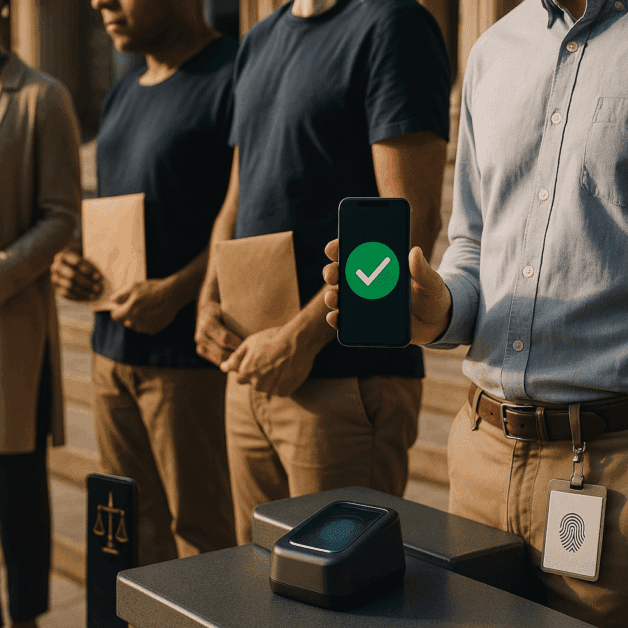
In the Facebook Illinois BIPA class action, eligible claimants received average payouts of about $18,000 per person from a $650 million settlement. The case alleged Facebook collected and used facial recognition biometric data without proper notice and consent under Illinois’ Biometric Information Privacy Act. This article explains how BIPA works, who qualified, and what similar biometric claims may look like.
When a Privacy Law Actually Had Teeth
Most people assume that when a company misuses their personal data, there is little they can do about it. A small settlement check arrives in the mail, maybe worth a few dollars, and that is the end of it. But one landmark case in Illinois completely flipped that script. When Facebook agreed to pay $650 million to settle a class action lawsuit, eligible members walked away with checks averaging around $18,000 each. That is not a typo. This case changed how businesses, lawyers, and everyday people think about biometric privacy.
What Is Biometric Data and Why Does It Matter?
Before diving into the lawsuit itself, it helps to understand what biometric data actually means. In simple terms, biometrics refers to physical characteristics that are unique to you as an individual. This includes things like:
- Fingerprints
- Facial geometry and facial recognition scans
- Iris and retina patterns
- Voice prints
- Hand geometry
Unlike a password or a credit card number, you cannot change your face or your fingerprints if they are compromised. Once this kind of data is leaked or misused, the damage can follow you for life. That is exactly why privacy advocates have been pushing so hard for laws that protect biometric information specifically.
The Illinois Law That Made It All Possible
The reason this payout happened at all comes down to one state law: the Illinois Biometric Information Privacy Act, commonly known as BIPA. Passed back in 2008, BIPA was ahead of its time. It requires companies that collect biometric data from Illinois residents to:
- Inform people in writing that their biometric data is being collected
- Explain how the data will be used and how long it will be stored
- Get a written release or consent from the individual before collecting any data
- Never sell or profit from someone’s biometric data
- Protect the data with reasonable security measures
What makes BIPA especially powerful compared to many other privacy laws is that it gives individuals the right to sue directly. Under BIPA, each violation can result in damages of $1,000 for a negligent violation or $5,000 for an intentional or reckless violation. When you multiply those numbers across millions of users, the total adds up fast. This is the kind of biometric law that companies cannot afford to ignore.
The Facebook Case: How It Unfolded
The lawsuit, known as Patel v. Facebook, centered on a feature called “Tag Suggestions.” This was the tool that automatically recognized faces in uploaded photos and suggested names for tagging. While it seemed like a harmless convenience feature, the plaintiffs argued that Facebook had been scanning the facial geometry of Illinois users without their knowledge or consent, which is a direct violation of BIPA.
Facebook initially fought back hard. The company argued that users had not suffered any real harm and therefore lacked the right to sue. However, a federal appeals court disagreed and ruled that violating BIPA itself constituted a concrete injury under the law. The case moved forward as a class action, meaning it applied to a large group of affected users rather than just one individual.
After years of legal battles, Facebook agreed in 2020 to settle the case for $650 million. The settlement covered approximately 1.6 million Illinois residents who were part of the class. After legal fees and administrative costs were deducted, each eligible claimant received somewhere between $200 and $400 initially, but due to a smaller-than-expected number of valid claims, the final payout was reported to average around $18,000 per person for those who filed. That figure made national headlines and caught the attention of both consumers and corporations across the country.
Why This Case Stands Out From Other Privacy Settlements
Class action lawsuits related to privacy are not new. Companies settle data breach cases regularly, but the payouts are usually insultingly small. Most people have received settlement checks worth a few dollars or even just a few cents. So what made this case so different?
There are a few key reasons:
- BIPA has teeth: The per-violation damages built into the law created real financial pressure on Facebook to settle rather than risk going to trial.
- Low claim rates: Because fewer people than expected actually filed valid claims, those who did received a larger share of the total settlement fund.
- Strong legal standing: The court ruling that mere violations of BIPA counted as harm made it much easier for plaintiffs to move forward without proving specific damages.
- Large user base: Facebook’s massive reach meant that millions of people in Illinois had potentially been affected, creating enormous theoretical liability.
The Role of Facial Recognition in the Case
Facial recognition technology was at the heart of this lawsuit. The Tag Suggestions feature worked by analyzing the geometry of faces in photos and matching those measurements to profiles. This kind of analysis creates what is essentially a facial template, a mathematical map of someone’s face that can be used to identify them in future images.
Critics of facial recognition technology have long warned that this type of data collection is particularly invasive. Unlike browsing history or purchase data, a facial recognition profile tied to your name creates a powerful tool that can be used to track you across different platforms, databases, and even physical locations. BIPA treats this type of biometric information as sensitive personal property, and the courts agreed that collecting it without consent was a serious violation of privacy rights.
What This Means for Your Privacy Rights
The outcome of this case sent a clear message: privacy rights can have real value, and companies that cut corners on consent and disclosure face serious financial consequences. For everyday people, there are a few important takeaways:
- Your state matters: Illinois, Texas, and Washington have specific biometric privacy laws. Illinois has the strongest enforcement provisions. If you live in one of these states, your rights are more protected than in most other places.
- Consent is non-negotiable: Any company collecting your facial scan, fingerprint, or other biometric data must get your explicit, written consent first under BIPA.
- You can take action: If a company violates your biometric privacy rights under a law like BIPA, you may have the right to join a class action or file a complaint.
- Pay attention to app permissions: Many apps and platforms use facial recognition or biometric identification in ways users do not fully realize. Reading the fine print and reviewing privacy settings matters more than ever.
The Broader Impact on Business and Technology
The Facebook settlement did not just benefit the people who received checks. It also changed how companies approach biometric data collection across the board. After the case was decided, many major tech companies quietly updated their privacy policies and user consent processes, especially for products and services offered to Illinois residents.
The case also encouraged more lawsuits under BIPA. Employers who collect fingerprints for time-tracking systems, theme parks that use facial recognition to verify season passes, and retailers that scan faces for security purposes have all faced legal challenges under Illinois law. The message is clear: if you are going to use biometric technology, you need to follow the rules.
At the national level, the case added fuel to ongoing debates about whether the United States needs a federal biometric privacy law. Currently, most states have no specific protections for biometric data at all, leaving residents without the same rights that Illinois residents enjoy.
Could This Happen Again?
The short answer is yes. BIPA is still in effect, and companies continue to collect biometric data at a massive scale. Lawsuits under this law are filed regularly, and courts have generally been willing to let cases proceed even when companies argue that no real harm occurred. As long as businesses fail to follow proper consent and disclosure procedures, there will be grounds for legal action.
For consumers, the lesson is simple. If you live in Illinois and believe a company has collected your biometric data without your permission, it is worth consulting with a privacy attorney. The per-violation damages under BIPA are significant enough that attorneys often take these cases on a contingency basis, meaning you may not need to pay anything upfront.
A Wake-Up Call for the Digital Age
The Facebook biometric privacy lawsuit and its $18,000-per-person average payout was more than just a legal victory. It was proof that strong privacy laws, combined with an engaged public willing to exercise their rights, can hold even the most powerful technology companies accountable. In an era where our faces, voices, and fingerprints are increasingly used to identify and track us, knowing your rights under laws like BIPA is one of the most practical things you can do to protect yourself.
Privacy rights are not just legal language buried in court documents. They are tools that real people can use to push back against practices that feel wrong, invasive, and unfair. This case showed the world what happens when those tools actually work.














