burden of proof

Explore comprehensive insights into the concept of burden of proof, a fundamental principle in legal proceedings that determines which party is responsible for proving their case. Visitors will find a variety of resources, including articles, legal glossary definitions, and video interviews with experienced attorneys that clarify how burden of proof influences both civil and criminal cases. Enhance your understanding of this critical legal standard and its implications in the courtroom with our expertly curated content.

Criminal Law vs Civil Law: What's the Real Difference?

Distinguishing Criminal Law from Civil Law: What You Need to Know

Criminal law vs civil law differs in 3 core ways: who brings the case (state vs private party), the burden of proof (beyond a reasonable doubt vs preponderance of evidence), and outcomes (jail/fines vs damages/injunctions). Criminal cases punish offenses against society, while civil cases resolve disputes and compensate harm. This article explains procedures, penalties, and […]

Distinguishing Criminal Law from Civil Law: What You Need to Know Read More »

Judge's gavel with scales of justice

What is clear and convincing evidence?

Clear and convincing evidence means the judge or jury must be firmly convinced a claim is highly probable, requiring more proof than “preponderance” but less than “beyond a reasonable doubt.” It’s often used in matters like fraud, some family-law issues, and terminating parental rights. This article explains how it compares to other standards and when

What is clear and convincing evidence? Read More »

Judge's gavel and scales of justice symbolizing legal standards

What is beyond a reasonable doubt?

Beyond a reasonable doubt is the highest burden of proof in U.S. criminal trials, requiring near certainty of guilt before a conviction. It means jurors must have no reasonable, evidence-based doubt after considering all the evidence. This article explains the definition, how courts and juries apply it, and why it protects against wrongful convictions. Understanding

What is beyond a reasonable doubt? Read More »

Scale showing evidence tipping to one side

What is preponderance of evidence?

Preponderance of the evidence is the civil proof standard requiring a party to show their claim is more likely true than not—often described as just over 50% (51%). Judges or juries decide whether one side’s evidence is more persuasive than the other, unlike the higher “beyond a reasonable doubt” criminal standard. This article explains how

What is preponderance of evidence? Read More »

Judge's gavel on wooden surface with legal scale

What is the burden of proof?

The burden of proof is the legal duty to prove a claim, and the required standard is typically “preponderance of the evidence” in civil cases and “beyond a reasonable doubt” in criminal cases. It determines which party must present evidence and how persuasive that evidence must be. This article explains the definition, who bears it,

What is the burden of proof? Read More »

Lawyer presenting affirmative defense in court

What is an affirmative defense?

An affirmative defense is a legal argument that can defeat or reduce liability even if the plaintiff’s main allegations are true. Instead of denying the conduct, the defendant raises additional facts or legal doctrines—often with the burden of proof on the defense—to justify, excuse, or limit responsibility. This article explains how affirmative defenses work, common

What is an affirmative defense? Read More »

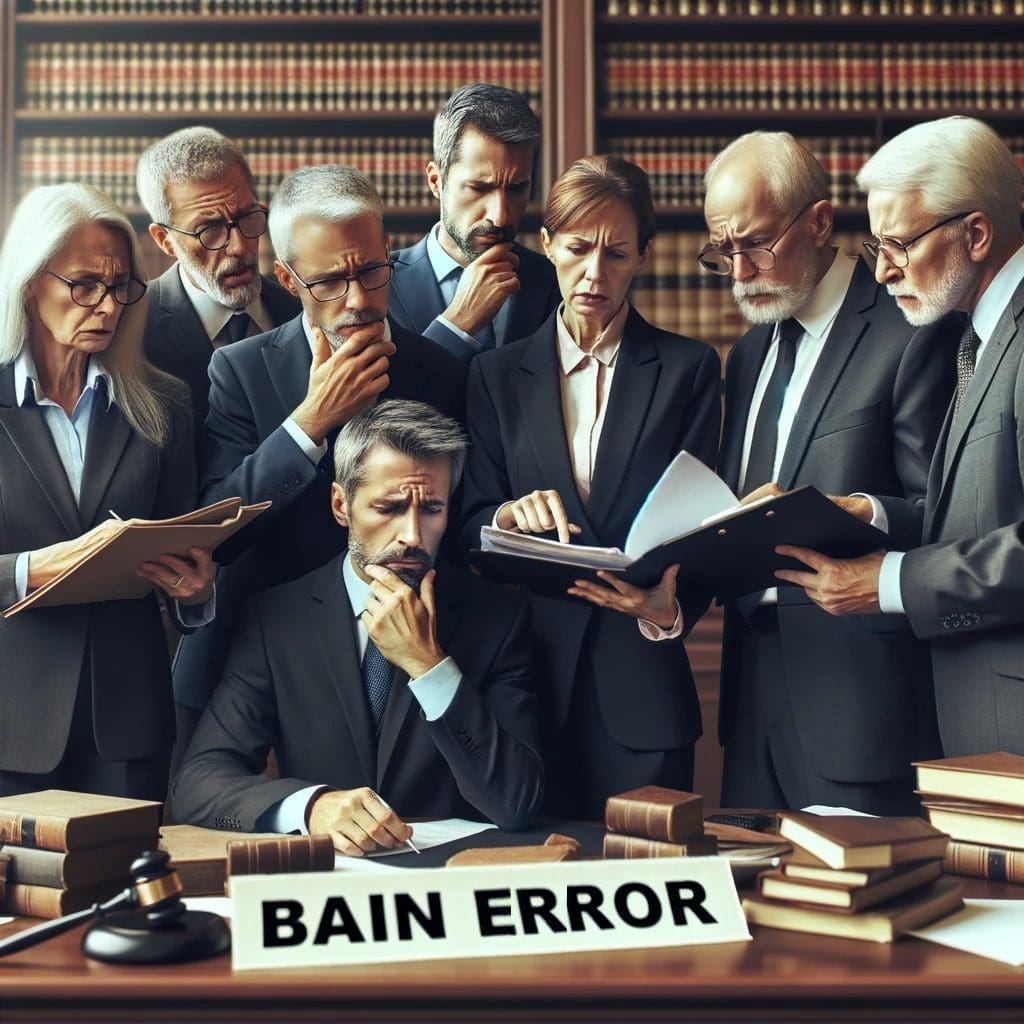
Analyzing Bain Error: A Critical Moment in Criminal Law

How Defense Attorneys Challenge Bain Error on Appeal

Defense attorneys challenge Bain Error on appeal by showing 2 key points: improper prosecutorial vouching occurred and it likely affected the verdict. They cite trial transcripts and controlling precedent to argue prejudice and request reversal, a new trial, or other relief. This article explains the legal standard, preservation issues, and best appellate strategies. In the

How Defense Attorneys Challenge Bain Error on Appeal Read More »

Expert Consultation on Civil Law Standard of Proof

How Much Proof Do You Need in a Tort Claim?

In a tort claim, you generally must prove your case on the balance of probabilities—more than 50% likely to be true. That means your evidence must show it’s more likely than not the defendant caused your harm and you suffered damages. This article explains the civil standard of proof and how it applies to tort

How Much Proof Do You Need in a Tort Claim? Read More »

Safeguard Your Assets with Expert Defense in Criminal Property Cases

Asset Forfeiture Defense: Keeping Your Property During Criminal Cases

In many states, you may have as little as 20–30 days to file a claim contesting a forfeiture after notice. An asset forfeiture defense challenges the seizure’s legal basis, ownership, and constitutional defects to seek return of cash, vehicles, or homes. This article explains civil vs. criminal forfeiture, key defenses, and how lawyers protect property

Asset Forfeiture Defense: Keeping Your Property During Criminal Cases Read More »

Celebrity Legal Battles Impact on Public Legal Understanding Explained in Court

How Do Celebrity Legal Battles Influence Public Legal Understanding?

Celebrity legal battles can significantly shape public legal understanding by amplifying high-profile issues—like defamation, privacy, and criminal procedure—to millions through nonstop media coverage. Because these cases are simplified, debated, and sometimes sensationalized, they can both educate the public and spread misconceptions about how the legal system actually works. This article explains the main ways celebrity

How Do Celebrity Legal Battles Influence Public Legal Understanding? Read More »

Scroll to Top