
Civil Rights

Explore a comprehensive range of resources related to civil rights issues, including informative articles, expert video interviews with attorneys, and detailed legal glossary definitions. Visitors will gain insights into landmark cases, current events, and essential legal principles that shape civil rights protections in the United States. Stay informed about your rights and the legal avenues available to address civil rights violations through our dedicated content.

Sanctuary City Funding Limits Under Executive Order 14159 Analysis

Executive Order 14159: Constitutional Analysis of Sanctuary City Funding Restrictions

Executive Order 14159 attempts to restrict or condition certain federal funds to so‑called “sanctuary” jurisdictions, but any cutoff must comply with constitutional limits such as the Spending Clause, federalism/anti‑commandeering principles, and due process. Courts have repeatedly required clear statutory authorization and narrow, non‑coercive funding conditions when the federal government targets state or local policies. This […]

Executive Order 14159: Constitutional Analysis of Sanctuary City Funding Restrictions Read More »

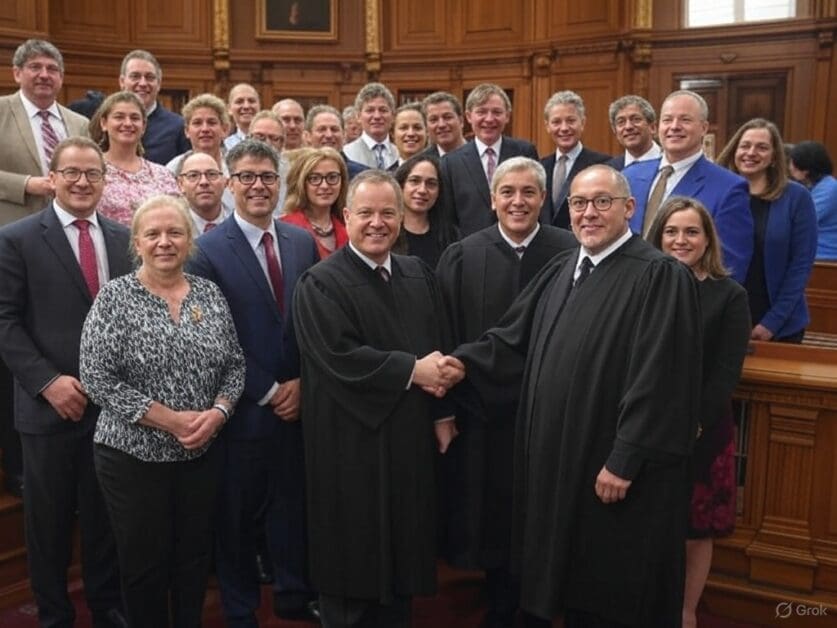
DOGE FOIA Ruling Brings Clarity as Judge and Rep Shake Hands in Modern Courtroom Win

Federal Judge Orders DOGE to Comply with FOIA Requests Amid Transparency Concerns

On March 10, 2025, U.S. District Judge Christopher Cooper ordered the Department of Government Efficiency (DOGE) to comply with FOIA requests in a 37-page ruling. The decision rejects DOGE’s long-running operational secrecy and reinforces public access to federal records. This article explains the ruling, its transparency implications, and what it means for FOIA requesters. The

Federal Judge Orders DOGE to Comply with FOIA Requests Amid Transparency Concerns Read More »

Recent Supreme Court Decisions Enhance Rights in Grand Court with Cheerful Handshakes

How Do Recent Supreme Court Decisions Impact Legal Rights?

Recent Supreme Court decisions impact legal rights by changing binding precedent in 100% of U.S. jurisdictions—federal and state. These rulings can expand or restrict rights and reshape how lower courts apply the Constitution to issues like abortion, firearms, agency authority, and free speech. This article summarizes the key decisions, practical effects, and what they mean

How Do Recent Supreme Court Decisions Impact Legal Rights? Read More »

Law and Social Justice Movements

What Legal Actions Support Social Justice Initiatives?

Legal actions supporting social justice initiatives include at least five core strategies: impact litigation, civil rights enforcement, policy advocacy, regulatory complaints, and community lawyering. These tools use courts and agencies to challenge discrimination, expand access to services, and secure equitable remedies for marginalized groups. This article explains the main legal pathways, examples, and how each

What Legal Actions Support Social Justice Initiatives? Read More »

Consequences of Prostitution Laws

Prostitution Laws: Legal Consequences and Reform Efforts

Prostitution is illegal in 49 states, with regulated legal brothels allowed only in certain Nevada counties. Enforcement and penalties vary by state and can include jail, fines, and collateral consequences like registration or record issues. This article explains key laws, legal risks, defenses, and current reform and decriminalization efforts. The complex landscape of prostitution laws

Prostitution Laws: Legal Consequences and Reform Efforts Read More »

Your Right to Assembly: Key Legal Aspects and Protections You Should Know

How to Legally Organize a Protest or Demonstration

In the U.S., you can legally organize a protest without a permit in many public forums, but permits are often required for marches, street closures, or amplified sound. Compliance with neutral time, place, and manner restrictions helps protect First Amendment rights and reduce arrest risk. This article covers key cases, laws, permits, and practical steps

How to Legally Organize a Protest or Demonstration Read More »

Equal Protection Under the Law: What It Means for You

Understanding Equal Protection: Legal Rights and Implications

Equal protection means the government must treat similarly situated people alike, and courts review many discrimination claims under strict, intermediate, or rational-basis scrutiny. Rooted in the Fourteenth Amendment and applied through key Supreme Court decisions, it limits unequal laws and enforcement based on protected characteristics or arbitrary classifications. This article explains the Equal Protection Clause,

Understanding Equal Protection: Legal Rights and Implications Read More »

Understanding Your Civil Liberties: Legal Insights and Support

Protecting Civil Liberties: Your Rights and Legal Support

Civil liberties include core constitutional rights such as free speech, privacy, and protection from unreasonable searches and seizures. When these rights are violated, remedies can include suppression of illegally obtained evidence, civil rights lawsuits, and injunctive relief. This article explains key liberties, common violations, and how legal counsel can help protect your rights. Understanding and

Protecting Civil Liberties: Your Rights and Legal Support Read More »

Freedom of Religion Explained: Know Your Legal Rights and Protections

Freedom of Religion: Legal Rights and Protections in the U.S.

Freedom of religion in the U.S. is protected by the First Amendment’s two clauses: Free Exercise and Establishment. Together they limit government interference with religious practice while restricting government endorsement of religion, shaped by major Supreme Court rulings. This article covers the history, legal standards, and modern conflicts affecting religious liberty. Freedom of religion is

Freedom of Religion: Legal Rights and Protections in the U.S. Read More »

Discover the Importance of Freedom of Speech and Its Legal Protections

Understanding Freedom of Speech: Key Legal Insights and Protections Explained

Freedom of speech in the U.S. is primarily protected by the First Amendment, which limits government restrictions on expression but allows certain narrow exceptions. Those limits differ sharply when speech involves private employers, schools, social media platforms, or threats, harassment, and incitement. This article explains what “free speech” legally covers, the most common exceptions, and

Understanding Freedom of Speech: Key Legal Insights and Protections Explained Read More »

Scroll to Top