comparative fault Arizona

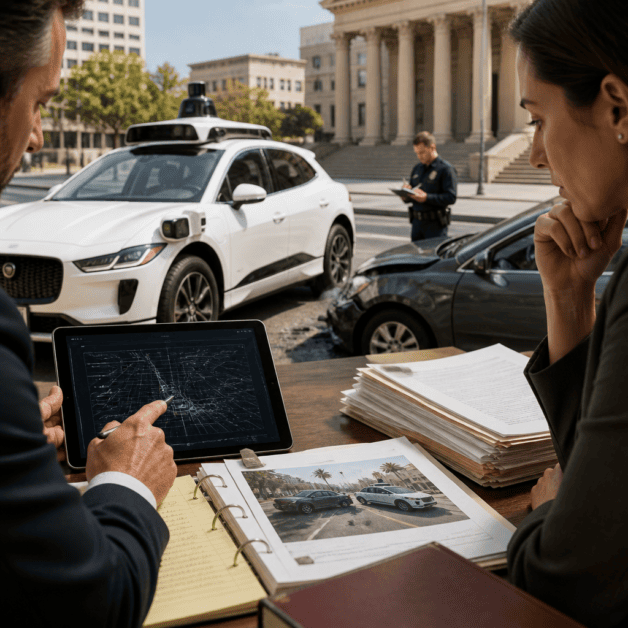
How to Determine Liability After a Waymo Robotaxi Crash in Phoenix: Passenger vs. Manufacturer vs. Safety Driver

How to Determine Liability After a Waymo Robotaxi Crash in Phoenix: Passenger vs. Manufacturer vs. Safety Driver

In most Phoenix Waymo robotaxi crashes, liability is determined by one core question: who had the legal duty to drive safely at the moment of impact—human or automated system. Arizona’s autonomous-vehicle framework allows fully driverless operation, which shifts many cases toward product liability, fleet maintenance, and company negligence theories rather than “driver error.” This article […]
How to Determine Liability After a Waymo Robotaxi Crash in Phoenix: Passenger vs. Manufacturer vs. Safety Driver Read More »

How to Prove Liability After a Waymo Robotaxi Collision in Phoenix: Insurance, Data Logs, and Arizona Negligence Rules

How to Prove Liability After a Waymo Robotaxi Collision in Phoenix: Insurance, Data Logs, and Arizona Negligence Rules

Arizona generally allows injured Phoenix crash victims 2 years to file a negligence lawsuit, including claims involving autonomous vehicles. Waymo robotaxis operate in metro Phoenix, and collisions raise unique questions about driverlessness, corporate responsibility, and high-tech evidence. This article explains how to prove liability using insurance layers, vehicle data logs, and Arizona negligence rules. Proving

How to Prove Liability After a Waymo Robotaxi Collision in Phoenix: Insurance, Data Logs, and Arizona Negligence Rules Read More »

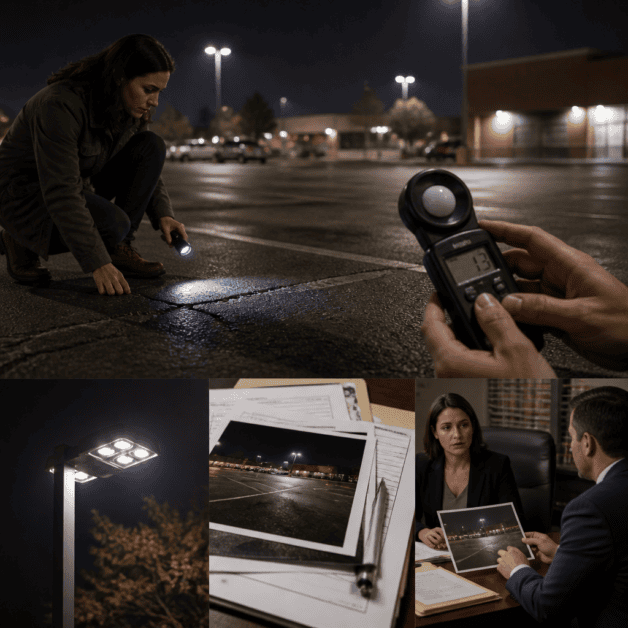
How to Prove Inadequate Lighting Caused a Parking Lot Slip-and-Fall in Phoenix, Arizona

How to Prove Inadequate Lighting Caused a Parking Lot Slip-and-Fall in Phoenix, Arizona

Poor lighting is a common factor in night-time parking lot slip-and-falls, and in Phoenix it can be proven with a combination of measurements, records, and witness evidence. Arizona premises liability law requires property owners to take reasonable steps to make areas like parking lots safe when hazards are foreseeable. This article explains the exact evidence,

How to Prove Inadequate Lighting Caused a Parking Lot Slip-and-Fall in Phoenix, Arizona Read More »

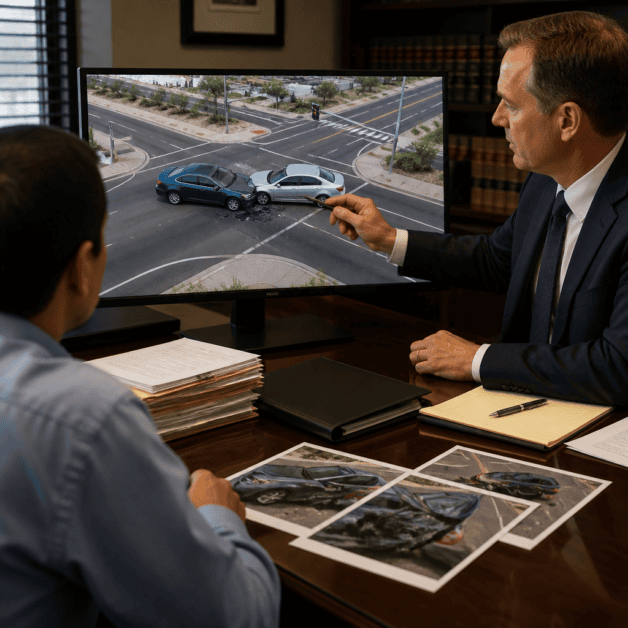
How to Prove Fault After a Left-Turn Car Accident in Phoenix, Arizona

How to Prove Fault After a Left-Turn Car Accident in Phoenix, Arizona

In Arizona, the left-turning driver is at fault in many Phoenix crashes because they must yield to oncoming traffic under A.R.S. § 28-772. Left-turn collisions are common at busy Valley intersections where visibility, speed, and signal timing become disputed. This article explains how fault is proven after a left-turn car accident in Phoenix, what evidence

How to Prove Fault After a Left-Turn Car Accident in Phoenix, Arizona Read More »

How to Maximize Your Truck Accident Settlement in Phoenix After an I-10 Rear-End Collision

How to Maximize Your Truck Accident Settlement in Phoenix After an I-10 Rear-End Collision

[In Arizona, most personal injury claims—including I-10 truck rear-end crashes in Phoenix—must be filed within 2 years under A.R.S. § 12-542. Rear-end collisions with commercial trucks often involve layered insurance, federal trucking rules, and multiple liable parties. This article explains the fastest, most effective ways to build evidence, prove liability, and maximize settlement value after

How to Maximize Your Truck Accident Settlement in Phoenix After an I-10 Rear-End Collision Read More »

Scroll to Top