Constitutional Law

Explore a comprehensive collection of resources focusing on the interpretation and application of the United States Constitution, including video interviews with constitutional law attorneys and in-depth articles on landmark Supreme Court cases. Visitors will find expertly curated content that delves into constitutional rights, amendments, and the intricacies of federal and state powers. This tag serves as a valuable tool for those seeking to understand the foundational legal principles governing American law.

Court Decisions on President's Immunity

How did the Supreme Court’s 2024 rulings expand presidential immunity and impact federal regulatory authority?

In 2024, the Supreme Court expanded presidential immunity by shielding core official acts and limiting when prosecutors may use or probe them, while also weakening federal agencies’ rulemaking power by overruling Chevron deference. Together, these decisions shift power toward the presidency and courts and away from executive-branch regulators. This article explains the key holdings, practical […]

How did the Supreme Court’s 2024 rulings expand presidential immunity and impact federal regulatory authority? Read More »

Understanding Tag Jurisdiction and Its Limits

How Tag Jurisdiction Works in Legal Cases and Its Boundaries

Tag jurisdiction allows a state court to exercise personal jurisdiction when a defendant is personally served while physically present in the state, even if the dispute is unrelated. Its main boundary is due process—presence generally suffices, but service obtained by fraud or other improper means may be invalid. This article explains how it works, key

How Tag Jurisdiction Works in Legal Cases and Its Boundaries Read More »

Comprehensive Guide to Genocide: Legal Concepts and Global Implications

How Global Courts Address and Punish Genocide

Global courts punish genocide through the ICC and national tribunals, with penalties that can include up to 30 years in prison or life imprisonment under the Rome Statute. The ICJ also rules on state responsibility for genocide under the Genocide Convention, while domestic courts may use universal jurisdiction. This article explains the legal definition, key

How Global Courts Address and Punish Genocide Read More »

Crimes Against Humanity: Key Legal Concepts and International Framework

How the World Defines and Prosecutes Atrocity Crimes

Crimes against humanity are defined in Article 7 of the Rome Statute as 11 specified acts committed as part of a widespread or systematic attack on civilians. They’re prosecuted by the ICC and other international or national courts using statutes, treaties, and universal jurisdiction. This article explains the definition, history, legal frameworks, and global enforcement

How the World Defines and Prosecutes Atrocity Crimes Read More »

Your Right to Assembly: Key Legal Aspects and Protections You Should Know

How to Legally Organize a Protest or Demonstration

In the U.S., you can legally organize a protest without a permit in many public forums, but permits are often required for marches, street closures, or amplified sound. Compliance with neutral time, place, and manner restrictions helps protect First Amendment rights and reduce arrest risk. This article covers key cases, laws, permits, and practical steps

How to Legally Organize a Protest or Demonstration Read More »

Equal Protection Under the Law: What It Means for You

Understanding Equal Protection: Legal Rights and Implications

Equal protection means the government must treat similarly situated people alike, and courts review many discrimination claims under strict, intermediate, or rational-basis scrutiny. Rooted in the Fourteenth Amendment and applied through key Supreme Court decisions, it limits unequal laws and enforcement based on protected characteristics or arbitrary classifications. This article explains the Equal Protection Clause,

Understanding Equal Protection: Legal Rights and Implications Read More »

Freedom of Religion Explained: Know Your Legal Rights and Protections

Freedom of Religion: Legal Rights and Protections in the U.S.

Freedom of religion in the U.S. is protected by the First Amendment’s two clauses: Free Exercise and Establishment. Together they limit government interference with religious practice while restricting government endorsement of religion, shaped by major Supreme Court rulings. This article covers the history, legal standards, and modern conflicts affecting religious liberty. Freedom of religion is

Freedom of Religion: Legal Rights and Protections in the U.S. Read More »

Discover the Importance of Freedom of Speech and Its Legal Protections

Understanding Freedom of Speech: Key Legal Insights and Protections Explained

Freedom of speech in the U.S. is primarily protected by the First Amendment, which limits government restrictions on expression but allows certain narrow exceptions. Those limits differ sharply when speech involves private employers, schools, social media platforms, or threats, harassment, and incitement. This article explains what “free speech” legally covers, the most common exceptions, and

Understanding Freedom of Speech: Key Legal Insights and Protections Explained Read More »

Analyzing Supreme Court's Role in State Charge Overturn

Can the Supreme Court Overturn State Charges? Understanding Legal Authority and Jurisdiction

Yes—only in limited cases: the Supreme Court can reverse a state conviction after reviewing a final state-court judgment for a federal constitutional or statutory violation. It cannot dismiss charges directly and generally can’t intervene mid-case due to jurisdiction and federalism limits. This article explains when review is possible, the process, and key exceptions. Can the

Can the Supreme Court Overturn State Charges? Understanding Legal Authority and Jurisdiction Read More »

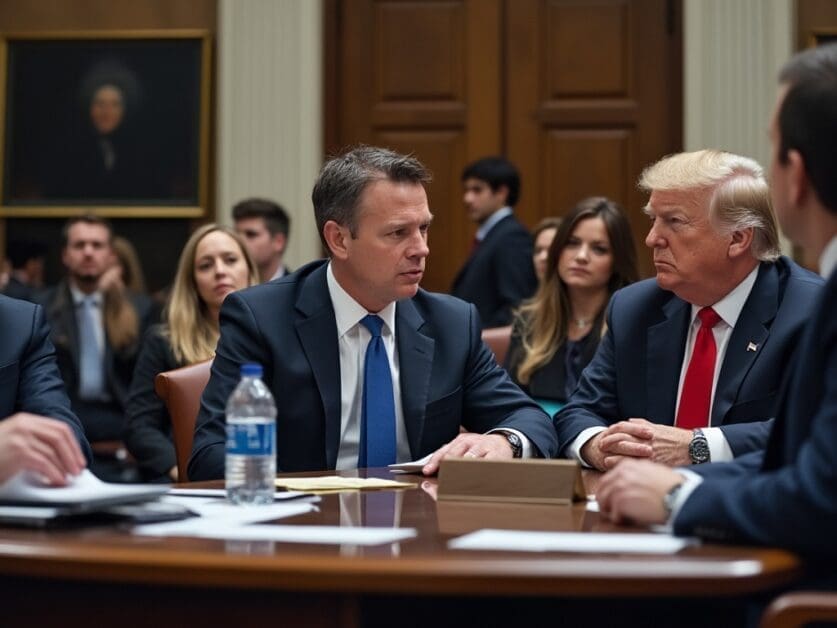
Diverse Legal Team Debating Presidential Immunity and Legal Accountability

Supreme Court Decisions on Presidential Immunity: Key Legal Insights

The Supreme Court has issued 3 landmark presidential immunity rulings: Nixon v. Fitzgerald (1982), Clinton v. Jones (1997), and Trump v. United States (2024). Together, they recognize absolute immunity for official civil damages, no immunity for unofficial conduct, and a presumption of immunity for core official criminal acts. This article explains each case’s holding and

Supreme Court Decisions on Presidential Immunity: Key Legal Insights Read More »

Scroll to Top