Court System

Explore comprehensive insights into the structure and function of the United States judiciary, featuring detailed video interviews with legal professionals and informative articles. Discover definitions and resources related to federal and state courts, including the roles of judges, juries, and court procedures. This tag provides a valuable understanding of how the legal system operates, helping you navigate complex legal topics with ease.

Judge's gavel with law books and justice scales

The Criminal Justice System: Structure and Process

The criminal justice system operates through three interconnected components: law enforcement, courts, and corrections. Understanding the role of a bail bondsman in the criminal justice system helps when navigating criminal justice system processes. These criminal justice systems work together to maintain order and deliver justice.

The Criminal Justice System: Structure and Process Read More »

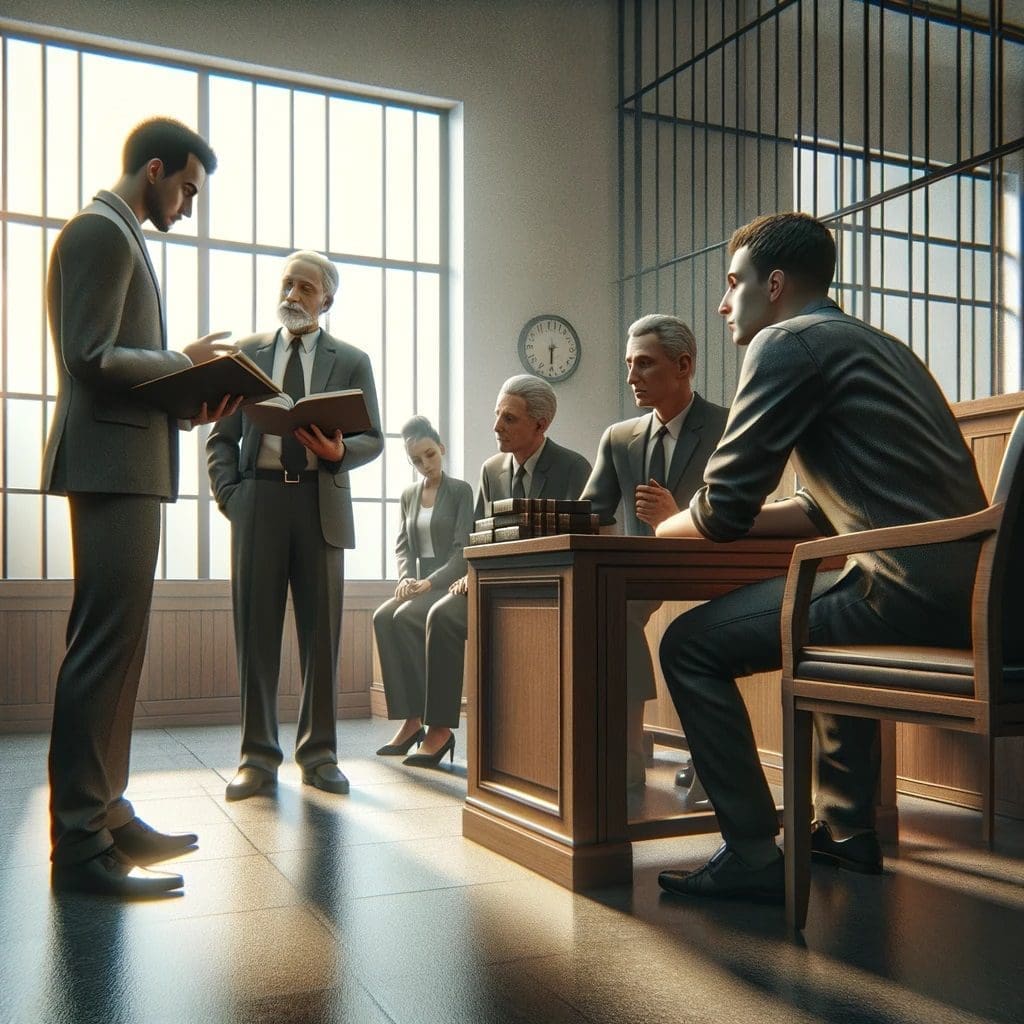
Courtroom Analysis of a Bailable Offense Case

Can All Bailable Offenses Avoid Jail Time?

Most bailable offenses can avoid jail time if you secure bail promptly and comply with all court conditions, but bail does not automatically end the case or eliminate penalties. Whether you actually stay out of custody depends on factors like the charges, your criminal history, and any risk of flight or danger findings. This article

Can All Bailable Offenses Avoid Jail Time? Read More »

Exploring the Justice System: Key Legal Structures and Processes

Understanding the Justice System – Legal Structures and Processes

The U.S. justice system is split into two parallel court systems—federal and state. Law enforcement investigates, prosecutors and defense counsel litigate, and judges and juries decide outcomes under constitutional due process. This article explains the key legal structures and processes that keep laws applied fairly and consistently. The justice system is a cornerstone of any

Understanding the Justice System – Legal Structures and Processes Read More »

Appellate Court: Key Legal Processes and Functions Explained

Appellate Court – Legal Processes and Functions

An appellate court reviews a lower court’s decision for legal error—typically based on the existing record—and may affirm, reverse, modify, or remand the case. Unlike trial courts, appellate courts generally do not hear new evidence or witness testimony, focusing instead on briefs and oral argument. This article explains how appellate courts work, the steps in

Appellate Court – Legal Processes and Functions Read More »

Scroll to Top