DNA analysis

Explore comprehensive legal insights into how forensic evidence is utilized in criminal investigations and trials. Visitors will find expert interviews with attorneys discussing the implications, challenges, and legal procedures associated with forensic science in the courtroom. This tag also includes articles detailing the role of forensic evidence in various legal contexts, enhancing your understanding of its impact on legal outcomes.

Forensic scientist examining evidence in laboratory

What is forensic evidence?

Forensic evidence is scientific evidence collected and analyzed for legal proceedings, commonly including DNA, fingerprints, trace materials, and digital data. It helps investigators reconstruct events and connect suspects, victims, and locations through measurable findings. This article explains what forensic evidence is, major types, how it’s handled, and why it matters in criminal cases. Forensic evidence […]

What is forensic evidence? Read More »

Forensic scientist analyzing DNA evidence in laboratory

DNA Evidence in Court: How Forensic Science Works

DNA evidence serves as a powerful courtroom tool, using unique genetic profiles to identify individuals. Following strict DNA evidence admissibility standards, forensic teams collect biological samples while documenting DNA transfer patterns. Despite high DNA match probability rates, courts must consider DNA evidence limitations when evaluating findings.

DNA Evidence in Court: How Forensic Science Works Read More »

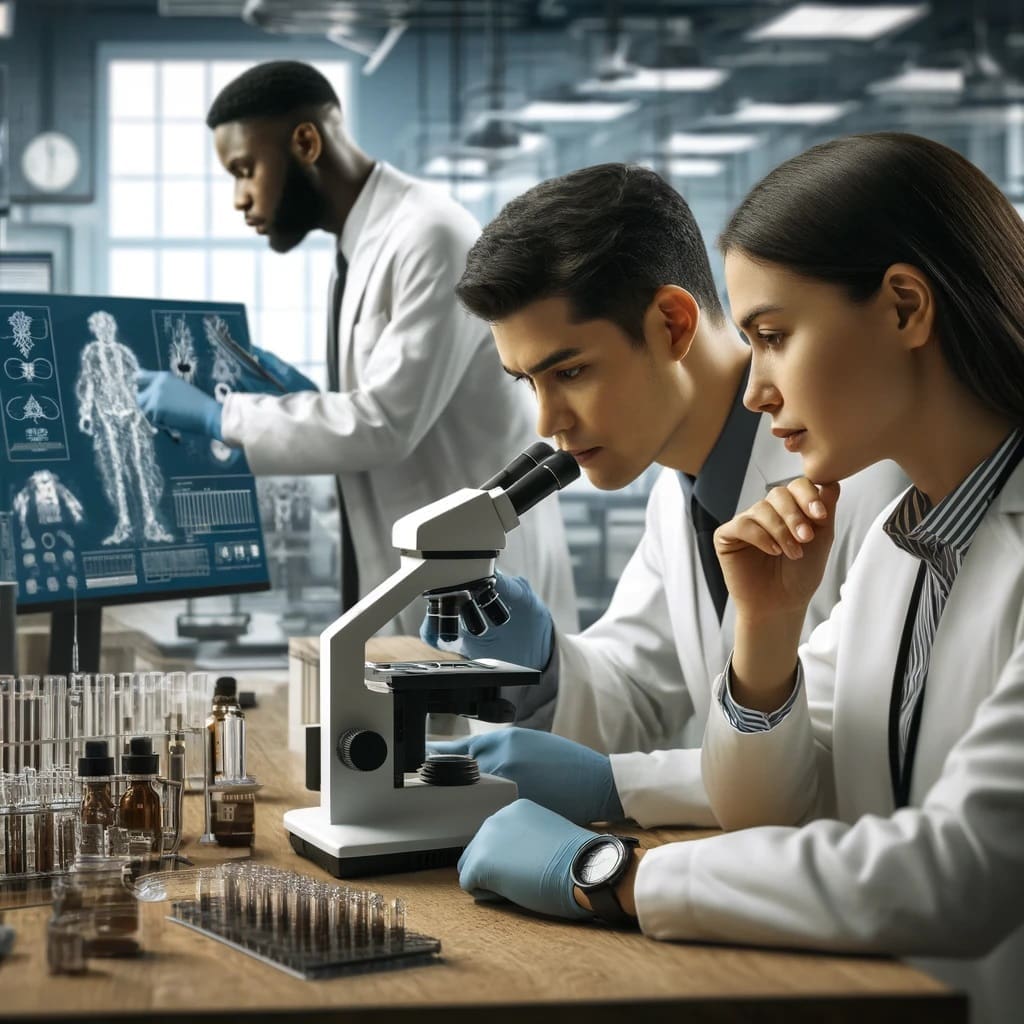
Cutting-Edge Forensic Science: Experts Conduct DNA Analysis in Lab

Exploring the Critical Role of Forensics in Modern Law Enforcement

Forensic science helps law enforcement identify suspects, connect people to crime scenes, and verify events using physical and digital evidence. By applying methods like DNA profiling, fingerprint analysis, toxicology, and digital forensics, investigators can strengthen cases while reducing reliance on unreliable testimony. This article explains how modern forensic techniques work, where they are used in

Exploring the Critical Role of Forensics in Modern Law Enforcement Read More »

Scroll to Top