forensic analysis

Discover insightful resources related to the investigative process used in legal cases, focusing on the examination of evidence. Visitors will find expert interviews with attorneys discussing the role of forensic analysis in criminal defense, civil litigation, and fraud investigations, along with articles explaining the methodologies and technologies involved. This content serves as an educational guide to understanding how forensic evidence can impact legal proceedings and case outcomes.

Forensic Evidence Laws: What You Need to Know for Legal Protection

What Legal Strategies Challenge Forensic Evidence in Court?

Attorneys use at least 7 core strategies to challenge forensic evidence in court, including Daubert/Frye motions, chain-of-custody challenges, and expert cross-examination. They attack reliability, contamination, analyst bias, lab errors, and improper collection or reporting to limit or exclude results. This article explains the key forensic evidence laws, common weaknesses, and how courts evaluate admissibility. Forensic […]

What Legal Strategies Challenge Forensic Evidence in Court? Read More »

International Justice in Yara's Case

The Yara Gambirasio Case: International Legal Pursuit of Justice

The Yara Gambirasio case led to a 2018 conviction and life sentence for Massimo Bossetti after a DNA match linked him to the crime. It became a landmark example of how modern forensics and cross-border legal cooperation support complex criminal investigations. This article explains the international investigative steps, legal tools, and challenges involved. The Yara

The Yara Gambirasio Case: International Legal Pursuit of Justice Read More »

The Impact of E-Discovery on Legal Strategy

How does e-discovery play a critical role in modern legal proceedings?

E-discovery is critical because most case evidence is digital, and it enables defensible collection, search, review, and production of ESI under court rules. Done correctly, it cuts review time and costs while reducing spoliation and sanctions risk through preservation and audit trails. This article explains the e-discovery process, key tools, and best practices for modern

How does e-discovery play a critical role in modern legal proceedings? Read More »

Understand Your Rights with Ballistics Evidence in Legal Cases

Navigating Ballistics Evidence in Legal Cases: Your Rights

Ballistics evidence is typically admissible only when collected lawfully and preserved through a documented chain of custody. Police generally need a warrant or a valid exception to seize firearms or bullets, and defendants can challenge testing, handling, and expert methods in court. This article explains key rights, proper procedures, and who has authority in ballistics

Navigating Ballistics Evidence in Legal Cases: Your Rights Read More »

Team of Experts Reviewing Stalking Case in Office

Understanding Stalking: Legal Insights and Consequences Explained Clearly

Stalking is a crime in every U.S. state and generally involves a pattern of unwanted conduct that causes fear or substantial emotional distress. Laws and penalties vary by jurisdiction, but charges can range from misdemeanors to felonies, especially when threats, prior orders, or repeat behavior are involved. This article explains what legally qualifies as stalking,

Understanding Stalking: Legal Insights and Consequences Explained Clearly Read More »

Collaborative Review of Rape Case by Legal Experts

Understanding Rape: Legal Insights and Consequences Explained Clearly

Rape is a serious criminal offense typically defined as sexual penetration without consent, and convictions can bring decades in prison and mandatory sex-offender registration, depending on the jurisdiction. Because definitions of consent, force, incapacity, and aggravating factors vary by state and country, the same conduct can lead to different charges and penalties. This article explains

Understanding Rape: Legal Insights and Consequences Explained Clearly Read More »

Investigators Reviewing Fire Damage for Arson Evidence

Understanding Arson: Legal Insights and Consequences Explained Clearly

Arson is typically charged as the intentional, unlawful burning of property, and convictions can carry years in prison, steep fines, and mandatory restitution depending on the harm caused. Prosecutors often elevate penalties when a fire endangers human life, involves an occupied building, or is tied to insurance fraud. This article explains how arson is defined,

Understanding Arson: Legal Insights and Consequences Explained Clearly Read More »

Officers Reviewing Evidence in Kidnapping Investigation

Understanding Kidnapping: Legal Insights and Consequences Explained Clearly

Kidnapping is generally defined as unlawfully taking and holding another person against their will—often by force, threat, or deception—and it can be charged as a serious felony with penalties that may include lengthy prison time. Exact definitions and sentencing vary by state, and factors like the victim’s age, use of a weapon, injury, ransom demands,

Understanding Kidnapping: Legal Insights and Consequences Explained Clearly Read More »

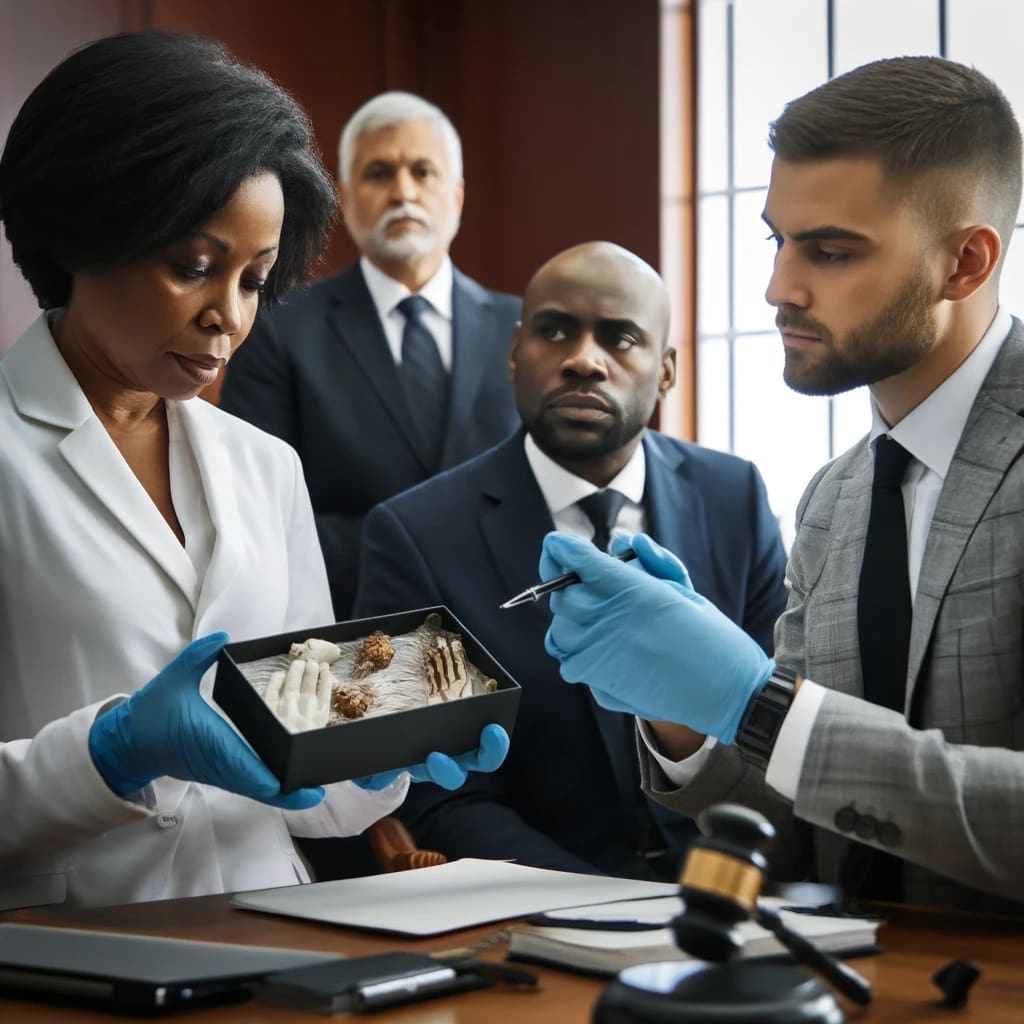
Forensic Expert Explains Evidence at High-Stakes Trial

Navigating the Intricacies of Admissible Evidence in Legal Proceedings

Admissible evidence is proof a court allows because it meets rules of relevance and reliability, and avoids exclusions like hearsay or improper privilege. Judges apply evidence codes and case law to decide what the jury may hear, often through pretrial motions and in-court objections. This article explains the main categories, standards, and common challenges to

Navigating the Intricacies of Admissible Evidence in Legal Proceedings Read More »

Scroll to Top