Justice System

Explore a comprehensive range of content encompassing key aspects of the justice system, including video interviews with seasoned attorneys, detailed legal glossary entries, and insightful articles on judicial procedures. Visitors seeking an in-depth understanding of legal systems, court hierarchies, and the role of different legal professionals will find valuable resources here. This section serves as an essential guide for those interested in navigating the complexities of legal processes without offering specific legal advice.

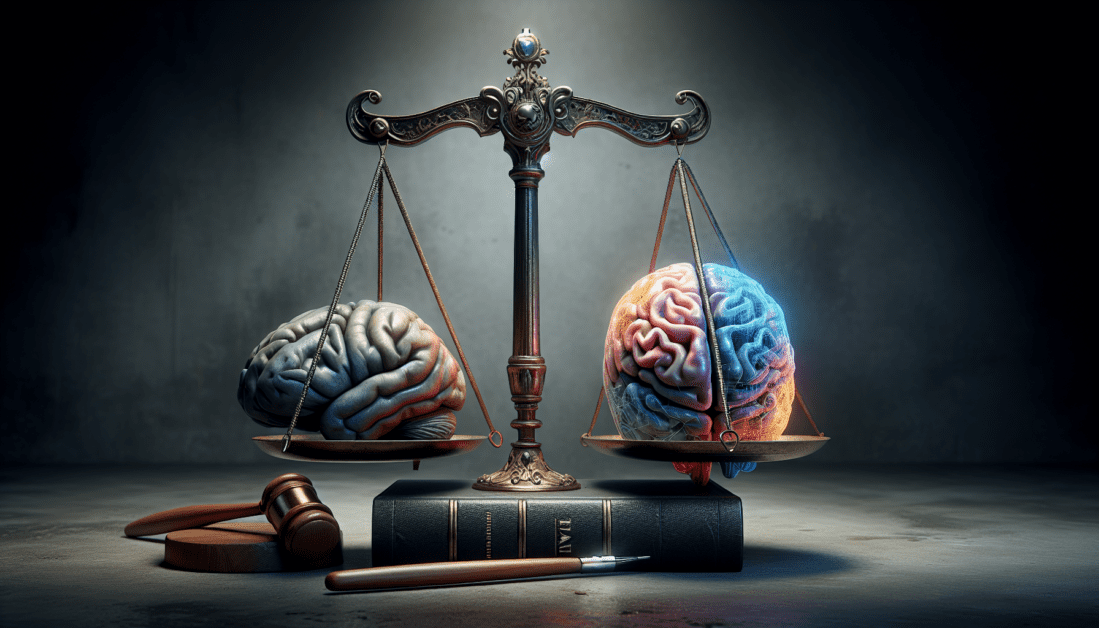
Legal scales balancing justice and criminal law books

Criminal Responsibility: Key Legal Principles Guide

Criminal responsibility determines legal accountability for crimes. Prosecutors must prove actus reus (guilty act) and mens rea (guilty mind). Criminal defense attorney insights show factors like age, mental capacity, and duress affect responsibility in our professional responsibility digital age.

Criminal Responsibility: Key Legal Principles Guide Read More »

Judge's gavel and legal books in courtroom setting

Essential Guide to Courtroom Procedures and Rules

Courtroom procedures establish the formal rules governing legal proceedings from filing to verdict. These structured processes ensure fairness, protect rights, and maintain order while evidence rules determine what information can be presented. Understanding these fundamentals helps navigate the legal system effectively.

Essential Guide to Courtroom Procedures and Rules Read More »

Modern legal reform shaping justice systems

Legal Reform: Essential Changes Shaping Modern Justice

Legal reform strategies examine and update laws to serve society’s evolving needs. Through systematic changes to legislation and judicial procedures, legal reforms address injustices and outdated practices. Understanding how Legal Reforms Impact modern justice systems helps create fairer, more accessible laws for all.

Legal Reform: Essential Changes Shaping Modern Justice Read More »

Gavel, scales, and law books on desk

Criminal Law Explained: Essential Principles & Guide

Criminal law basics define society’s rules and punishments for violations. Key criminal law principles include presumption of innocence, burden of proof, and due process rights. This criminal law guide covers fundamental concepts, types of crimes, and how justice is administered fairly.

Criminal Law Explained: Essential Principles & Guide Read More »

Beagle-Castro Motion: Your Key to a Fair Trial in Criminal Defense

How Can a Beagle-Castro Motion Challenge Unfair Jury Selection?

A Beagle-Castro motion can curb unfair jury selection by excluding prejudicial prior-conviction impeachment evidence under Evidence Code § 352 before voir dire begins. By limiting what jurors may hear, it reduces bias that can distort challenges for cause and peremptory strikes. This article explains the motion’s legal standards, timing, and practical use in criminal trials.

How Can a Beagle-Castro Motion Challenge Unfair Jury Selection? Read More »

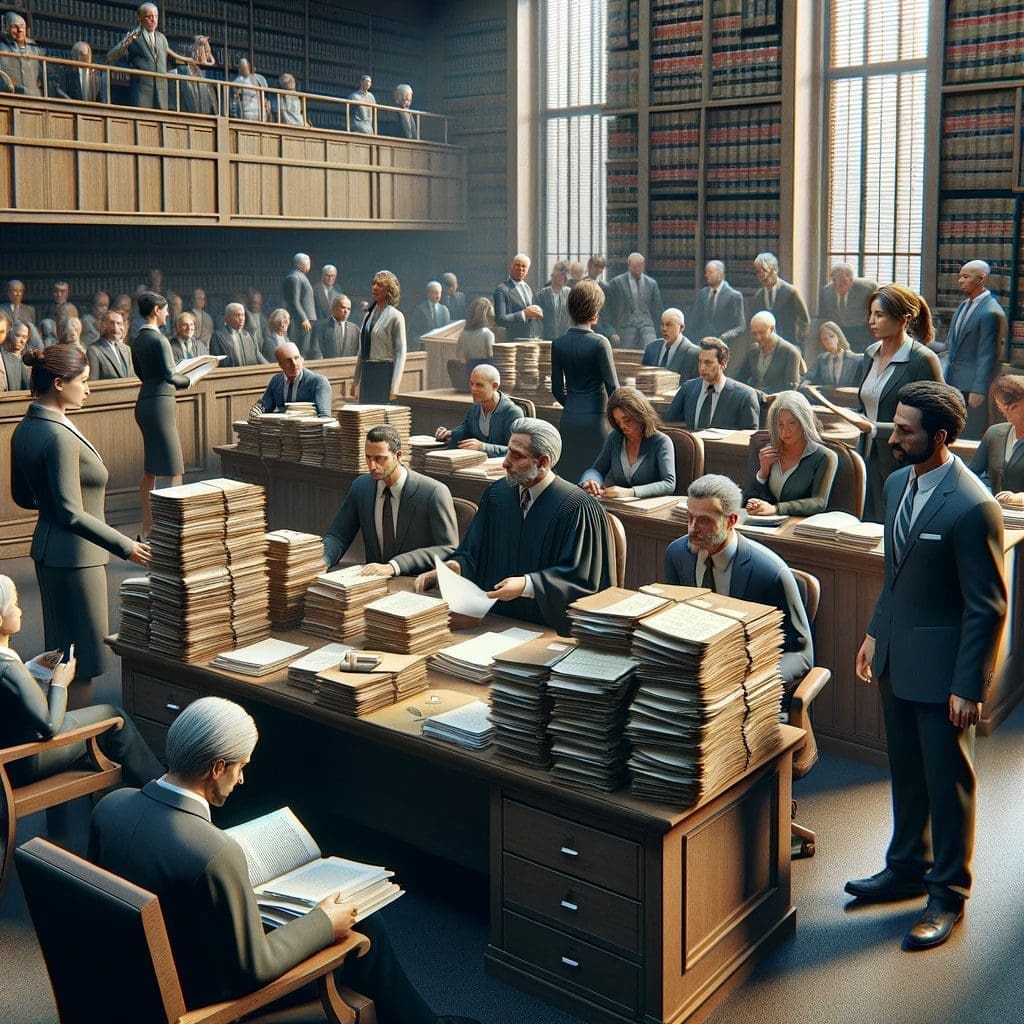
Legal Professionals Addressing Court Backlog in a Realistic Courtroom

How to Implement Efficient Case Management Backlogged Systems?

Courts that adopt e-filing, automated scheduling, and triage can cut backlog clearance times by 20–40% compared with manual workflows. Centralized dashboards and standardized intake reduce bottlenecks and improve time-to-disposition. This article explains practical steps, tools, and metrics to implement efficient case management in backlogged systems. The term backlog in legal contexts refers to the accumulation

How to Implement Efficient Case Management Backlogged Systems? Read More »

The Essential Role of Motion Hearings in Today’s Justice System

How Do Lawyers Prepare for Motion Hearings Now?

Lawyers now prepare for motion hearings by combining traditional brief-writing with technology-driven analysis and remote-hearing readiness to meet faster, stricter court expectations. Courts increasingly require tight compliance with local rules, streamlined evidence, and clear, oral advocacy—often on short notice and sometimes by video. This article explains modern preparation workflows, from drafting and exhibit strategy to

How Do Lawyers Prepare for Motion Hearings Now? Read More »

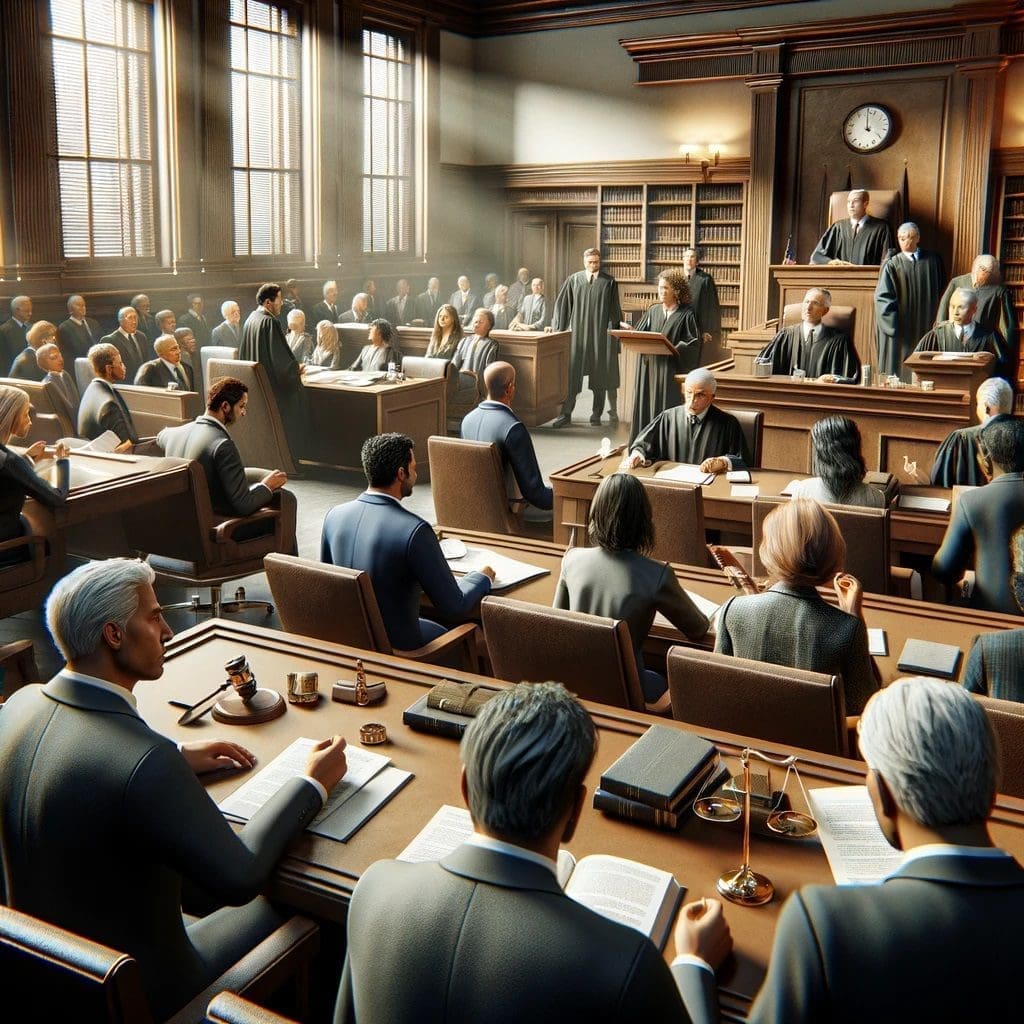
Inside the Courtroom: Legal Experts Navigate a Complex Trial

Are Court Trials Better Than Jury Trials for My Case?

Court trials aren’t inherently better than jury trials—your best option depends on your case type, the key legal issues, and how persuasive your evidence and witnesses will be to a judge versus a jury. Bench trials can be faster and more predictable, while jury trials may favor cases driven by credibility, emotion, and community standards.

Are Court Trials Better Than Jury Trials for My Case? Read More »

Know Your Rights: A Comprehensive Guide to Due Process Protections

Who Can Challenge Due Process Violations in Court?

Any person or entity whose life, liberty, or property is affected by government action can challenge a due process violation in court. This typically includes criminal defendants, civil litigants, and parties subjected to administrative actions who were denied proper notice or a fair hearing. This article explains standing, key due process rights, and how these

Who Can Challenge Due Process Violations in Court? Read More »

Team Analyzing Legal Service Balance in Professional Setting

Are Civil and Criminal Law Services Profitable Together?

Yes—many law firms can increase profitability by offering civil and criminal law services together, diversifying revenue and smoothing cash flow across case types. While criminal work often moves faster and civil matters can produce larger but slower-paying fees, combining them can balance risk and capacity. This article explains profit drivers, pricing and billing models, ethical

Are Civil and Criminal Law Services Profitable Together? Read More »

Scroll to Top