Legal Ethics

Explore insightful discussions and resources on the principles governing the professional conduct of lawyers and law firms. Under this category, visitors will find video interviews with attorneys and articles detailing the ethical obligations and standards within various legal professions, ensuring compliance with the American Bar Association’s guidelines. Discover how these ethical considerations impact attorney-client relationships and influence legal practice across the United States.

Analyzing Bain Error: A Critical Moment in Criminal Law

How Defense Attorneys Challenge Bain Error on Appeal

Defense attorneys challenge Bain Error on appeal by showing 2 key points: improper prosecutorial vouching occurred and it likely affected the verdict. They cite trial transcripts and controlling precedent to argue prejudice and request reversal, a new trial, or other relief. This article explains the legal standard, preservation issues, and best appellate strategies. In the […]

How Defense Attorneys Challenge Bain Error on Appeal Read More »
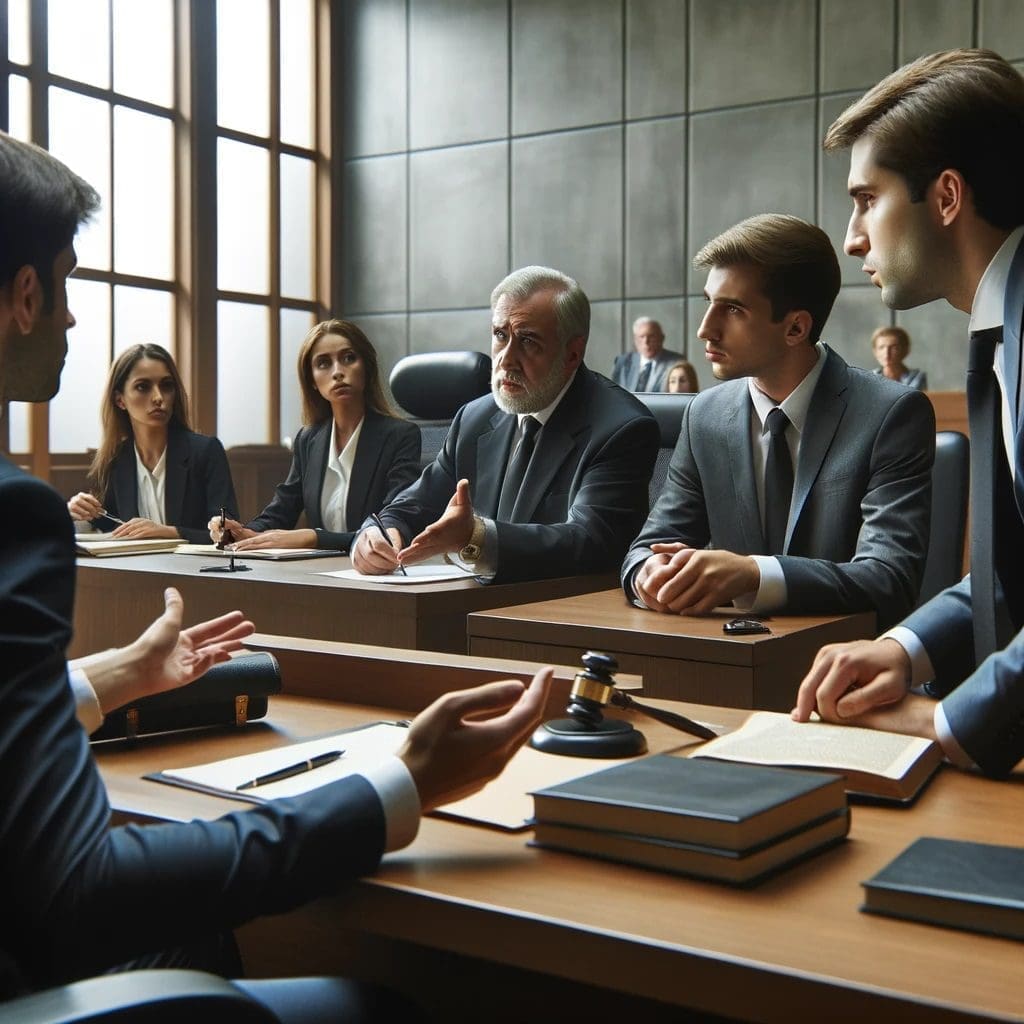
Legal Dynamics in Action: Objecting to Badgering the Witness

How to Object to Badgering During Court Proceedings

To object to badgering during court proceedings, state “Objection—badgering the witness” (or “argumentative/harassing”) and ask the judge to instruct counsel to rephrase. Badgering typically involves repeated, hostile, or intimidating questions that impede truthful testimony. This article explains what badgering is, when to object, and effective courtroom phrasing. In the legal arena, “Badgering the Witness” is

How to Object to Badgering During Court Proceedings Read More »

Consequences of Destroying Legal Evidence

Spoliation of Evidence: Consequences of Destroying Proof

Spoliation of evidence can lead to court sanctions, including adverse inference instructions, monetary penalties, evidence exclusion, or even dismissal/default judgment. Courts assess the duty to preserve, the relevance of the missing evidence, and the party’s intent or negligence. This article explains spoliation standards, common examples, and practical steps to preserve proof in civil cases. In

Spoliation of Evidence: Consequences of Destroying Proof Read More »

Understanding Legal Confidentiality in Practice

Attorney-Client Privilege: Understanding Confidentiality

Attorney-client privilege generally protects confidential communications between a client and their lawyer made for the purpose of seeking or providing legal advice, but it has key limits and exceptions. It typically does not cover business advice, communications shared with third parties, or discussions involving crime or fraud. This article explains what privilege is, when it

Attorney-Client Privilege: Understanding Confidentiality Read More »

Crisis Management for Legal Firms Image

How Can Reactive PR Protect a Law Firm’s Reputation During a Legal Crisis?

Reactive PR can protect a law firm’s reputation during a legal crisis by responding quickly with accurate, consistent messaging across media, clients, and stakeholders. A coordinated plan helps contain misinformation, demonstrate accountability, and preserve trust while legal matters unfold. This article explains when to go public, how to craft crisis statements, manage media inquiries and

How Can Reactive PR Protect a Law Firm’s Reputation During a Legal Crisis? Read More »

Jury Power to Override Legal Decisions

Jury Nullification: When Juries Ignore the Law

Jury nullification occurs when a jury returns a not guilty verdict even though the prosecution proved guilt beyond a reasonable doubt. It’s not a formal legal right jurors are told about, but it can happen because juries generally can’t be punished for verdicts. This article explains what it is, its historical use, and key legal

Jury Nullification: When Juries Ignore the Law Read More »

Evidence Withholding in Legal Practice

Brady Violations: When Prosecutors Withhold Evidence

A Brady violation occurs when prosecutors fail to disclose material evidence favorable to the defense under Brady v. Maryland. This can warrant a new trial, dismissal, or other relief if the suppression undermined trial fairness. This article explains the Brady rule, what counts as “material” evidence, and steps defendants can take. The integrity of our

Brady Violations: When Prosecutors Withhold Evidence Read More »

Jury Reviews Madigan Law Firm Case

Madigan Trial: Jury Hears Evidence of Land Transfer After Law Firm Pitch

The jury heard evidence about a proposed amendment to a land transfer bill during the spring 2018 Illinois legislative session. Prosecutors say it followed a law firm pitch and was part of an alleged effort to steer property tax appeal work tied to Michael Madigan’s network. The article covers the testimony, the land transfer episode,

Madigan Trial: Jury Hears Evidence of Land Transfer After Law Firm Pitch Read More »

When Misconduct by Prosecutors Demands Dismissal

Prosecutorial Misconduct: Grounds for Case Dismissal

Prosecutorial misconduct can justify case dismissal when it causes a due process violation or irreparable prejudice, and courts can dismiss charges with prejudice. Common misconduct includes withholding exculpatory evidence (Brady), improper arguments, and witness tampering. This article explains key grounds, legal standards, and remedies defendants can seek. Prosecutorial misconduct is a serious issue in the

Prosecutorial Misconduct: Grounds for Case Dismissal Read More »

Unpacking The Staircase Legal Conundrums

Michael Peterson: The Staircase Case and Its Legal Complexities

Kathleen Peterson was found dead at the bottom of a staircase in Durham, North Carolina, on December 9, 2001, leading to Michael Peterson’s murder prosecution. The case drew national attention for contested bloodstain forensics, expert testimony battles, and post-conviction procedural twists highlighted in “The Staircase.” This article explains the key facts, legal issues, and why

Michael Peterson: The Staircase Case and Its Legal Complexities Read More »

Scroll to Top