legal evidence

Explore comprehensive insights into the types and admissibility of evidence used in legal proceedings, featuring expert interviews and detailed articles. Visitors will find valuable resources on documentary, testimonial, and physical evidence, alongside the intricacies of burden of proof and chain of custody. Enhance your understanding of how evidence shapes the outcome of trials with content tailored for legal professionals and those seeking legal knowledge.

Tenant winning $75,000 settlement via email

The One Email That Won a Tenant a $75,000 Settlement

One tenant’s single email helped win a $75,000 settlement. Clear, dated written notice to a landlord can prove what was reported and when, strengthening liability and damages in disputes. This article explains what to document, how to write the email, and why it can change a case. How One Simple Email Changed Everything Most people […]

The One Email That Won a Tenant a $75,000 Settlement Read More »

Forensic Evidence Laws: What You Need to Know for Legal Protection

What Legal Strategies Challenge Forensic Evidence in Court?

Attorneys use at least 7 core strategies to challenge forensic evidence in court, including Daubert/Frye motions, chain-of-custody challenges, and expert cross-examination. They attack reliability, contamination, analyst bias, lab errors, and improper collection or reporting to limit or exclude results. This article explains the key forensic evidence laws, common weaknesses, and how courts evaluate admissibility. Forensic

What Legal Strategies Challenge Forensic Evidence in Court? Read More »

Guide to Validating Whiplash Claims After Car Accidents

Whiplash Claims: Proving Soft Tissue Injuries After an Accident

Most whiplash claims hinge on timely medical records, with evaluation ideally within 24–72 hours after the crash. Consistent treatment notes, imaging to rule out other causes, and documented functional limits help prove causation and severity. This article explains how to document, value, and present evidence for soft tissue whiplash injuries in personal injury cases. Whiplash

Whiplash Claims: Proving Soft Tissue Injuries After an Accident Read More »

Understanding Car Accident Claims and Legal Rights

Car Accident Report: How It Impacts Your Legal Claim

A car accident report can significantly strengthen your claim by providing an official, time-stamped record of the crash, parties involved, and cited violations. Insurers and attorneys rely on it to assess fault, verify injuries, and support damages. This article explains what reports include, how to get one, and how errors can affect compensation. In the

Car Accident Report: How It Impacts Your Legal Claim Read More »

Inside the Secretive World of Grand Juries

Grand Jury Process: What Happens Behind Closed Doors

A grand jury typically has 16–23 citizens who hear evidence in secret and vote on whether probable cause supports an indictment. Prosecutors present witnesses and documents, while the target usually has limited participation and proceedings are sealed. This article explains the grand jury’s history, constitutional role, and step-by-step procedures from empanelment to indictment. The grand

Grand Jury Process: What Happens Behind Closed Doors Read More »

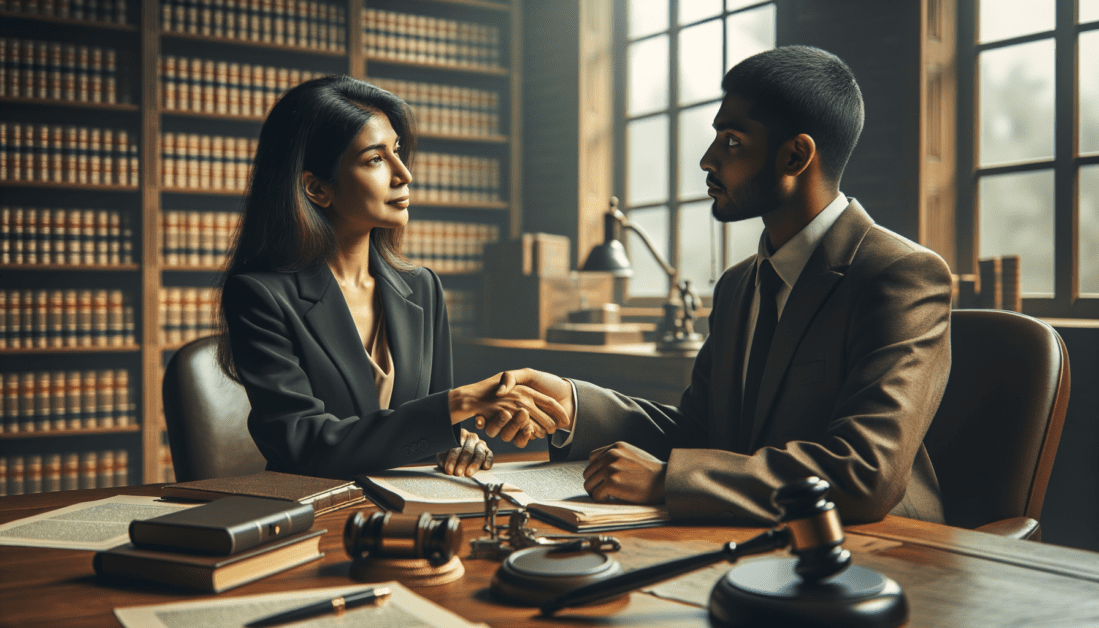
Legal Expert Advises Client on Post-Accident Evidence Gathering

What Evidence Should I Collect for My Motorcycle Accident Lawyer After an Accident?

Collect at least 6 key items: scene photos/video, witness contacts, the police report number, medical records/bills, vehicle damage/repair estimates, and insurance info. These documents preserve fault and damages before details disappear or records change. This article explains what to gather, how to store it, and why each piece matters for your claim. Being involved in

What Evidence Should I Collect for My Motorcycle Accident Lawyer After an Accident? Read More »

Evidence Laws Explained: What You Need to Know for Your Legal Case

Understanding Rules of Evidence: What You Need to Know

The rules of evidence determine what information a judge or jury may legally consider in court, including when testimony, documents, or physical items can be admitted or excluded. They aim to keep trials fair and reliable by filtering out irrelevant, prejudicial, or unreliable proof while enforcing requirements like relevance, authentication, and hearsay exceptions. This article

Understanding Rules of Evidence: What You Need to Know Read More »

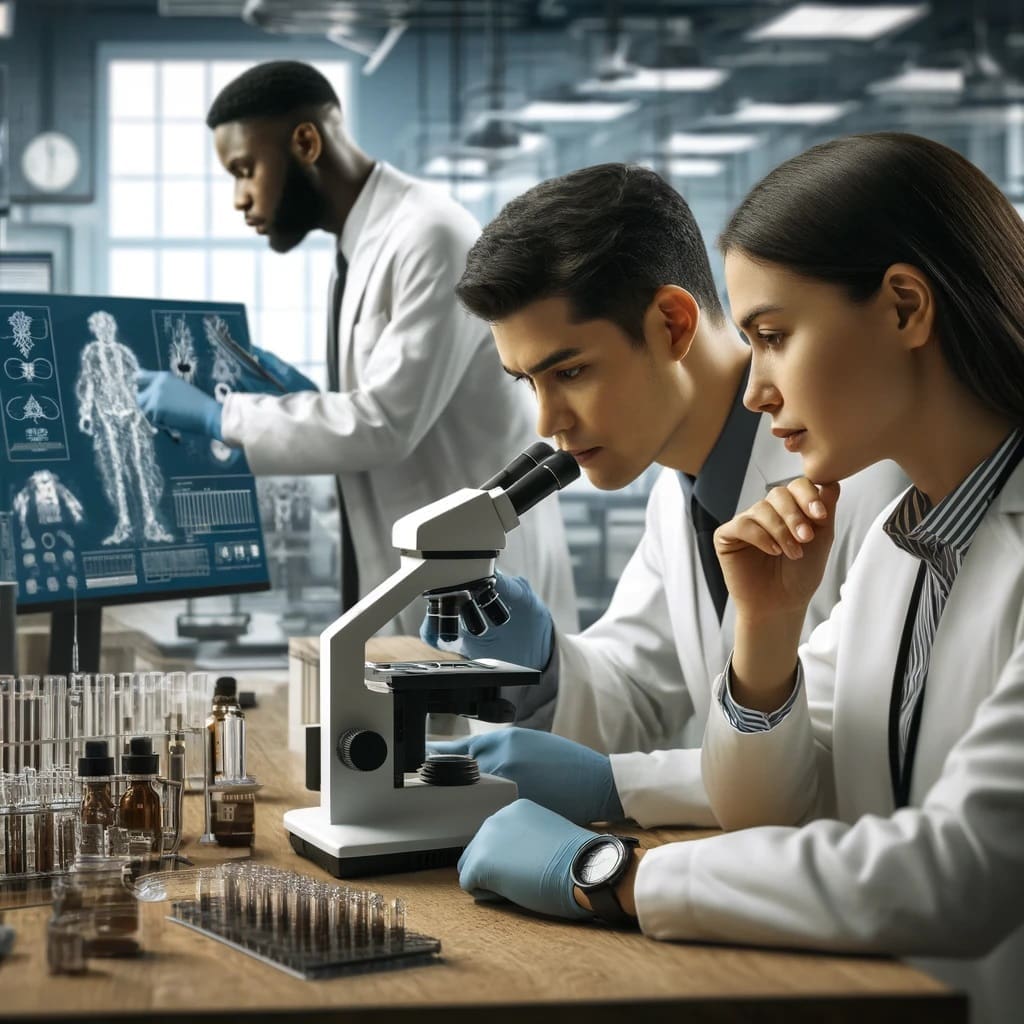
Cutting-Edge Forensic Science: Experts Conduct DNA Analysis in Lab

Exploring the Critical Role of Forensics in Modern Law Enforcement

Forensic science helps law enforcement identify suspects, connect people to crime scenes, and verify events using physical and digital evidence. By applying methods like DNA profiling, fingerprint analysis, toxicology, and digital forensics, investigators can strengthen cases while reducing reliance on unreliable testimony. This article explains how modern forensic techniques work, where they are used in

Exploring the Critical Role of Forensics in Modern Law Enforcement Read More »

Scroll to Top