Legal Standards

Explore in-depth resources and articles covering the principles and criteria that guide legal procedures and judicial decisions under this tag. Visitors will find detailed explanations of various legal benchmarks, from evidentiary standards to ethical guidelines, all crafted to enhance understanding of the legal framework. This section serves as a comprehensive guide for those seeking clarity on the rules and norms that shape the practice of law.

Legal Standards Explored: A Critical Moment in Court

Beyond A Reasonable Doubt: The Pinnacle Standard in Criminal Justice

Beyond a reasonable doubt is the highest standard of proof in criminal cases, requiring jurors to be firmly convinced of guilt with no reasonable doubt. It exists to reduce wrongful convictions because criminal penalties can include jail or prison. This article explains the definition, how it’s applied in trials, and common misconceptions. Understanding Beyond A

Beyond A Reasonable Doubt: The Pinnacle Standard in Criminal Justice Read More »

In-Depth Legal Discussion on 'As a Matter of Law' in Action

Decoding Legal Jargon: The Impact of ‘As a Matter of Law’ in Judicial Decisions

“As a matter of law” means the judge decides an issue under controlling law—without a jury—when the material facts are undisputed. It commonly governs rulings on dispositive motions (like summary judgment or judgment as a matter of law) where only legal interpretation remains. This article explains the standard, when courts apply it, and how it

Decoding Legal Jargon: The Impact of ‘As a Matter of Law’ in Judicial Decisions Read More »

Deciphering Court Decisions: Inside the Mind of Bankruptcy Judges

How Bankruptcy Judges Make Decisions In Court Cases

Bankruptcy judges decide cases by applying the U.S. Bankruptcy Code and local rules to the evidence and arguments presented at hearings. They weigh eligibility, good faith, exemptions, creditor objections, and feasibility before confirming plans, granting discharges, or dismissing cases. This article explains the key factors judges consider and how common rulings are made. Bankruptcy judges

How Bankruptcy Judges Make Decisions In Court Cases Read More »

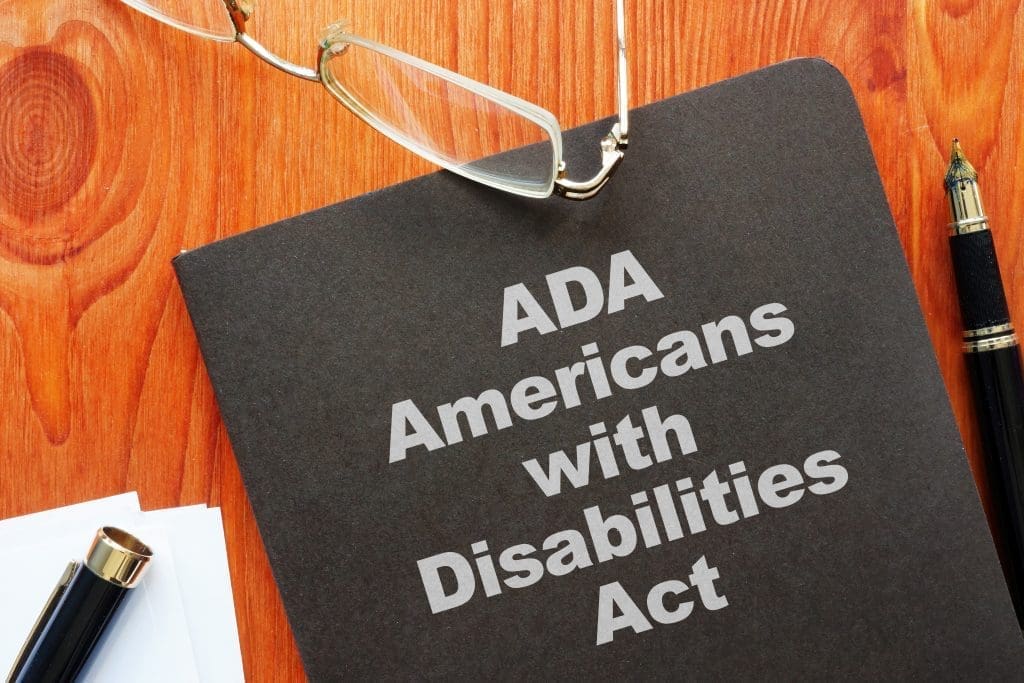
A Giant Leap for ADA?

In 2002, two California inmates sued in the Ninth Circuit arguing parole discrimination based on drug addiction violates the ADA. The claim turns on whether addiction qualifies as a disability and whether parole practices can unlawfully treat addicts differently. This article presents the legal arguments and implications for ADA coverage in parole contexts. PRO or

A Giant Leap for ADA? Read More »

Scroll to Top