
Prosecutorial Misconduct

Explore detailed insights into issues related to unethical or illegal actions by prosecutors within the legal system. Visitors will find informative articles, expert video interviews, and legal glossary entries discussing various forms of misconduct, such as withholding evidence or improper statements during trial. This content is designed to enhance understanding of how prosecutorial actions can impact fairness and justice in legal proceedings.

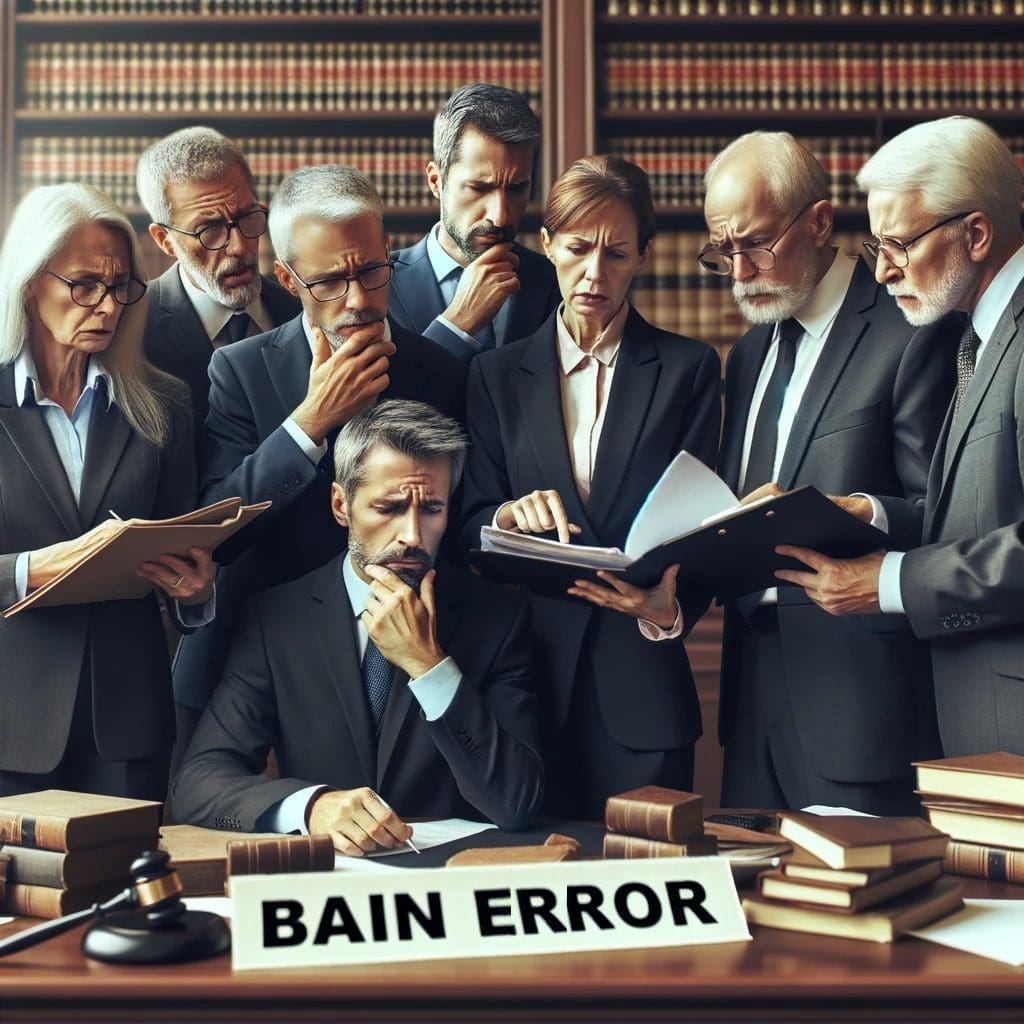
Analyzing Bain Error: A Critical Moment in Criminal Law

How Defense Attorneys Challenge Bain Error on Appeal

Defense attorneys challenge Bain Error on appeal by showing 2 key points: improper prosecutorial vouching occurred and it likely affected the verdict. They cite trial transcripts and controlling precedent to argue prejudice and request reversal, a new trial, or other relief. This article explains the legal standard, preservation issues, and best appellate strategies. In the […]

How Defense Attorneys Challenge Bain Error on Appeal Read More »
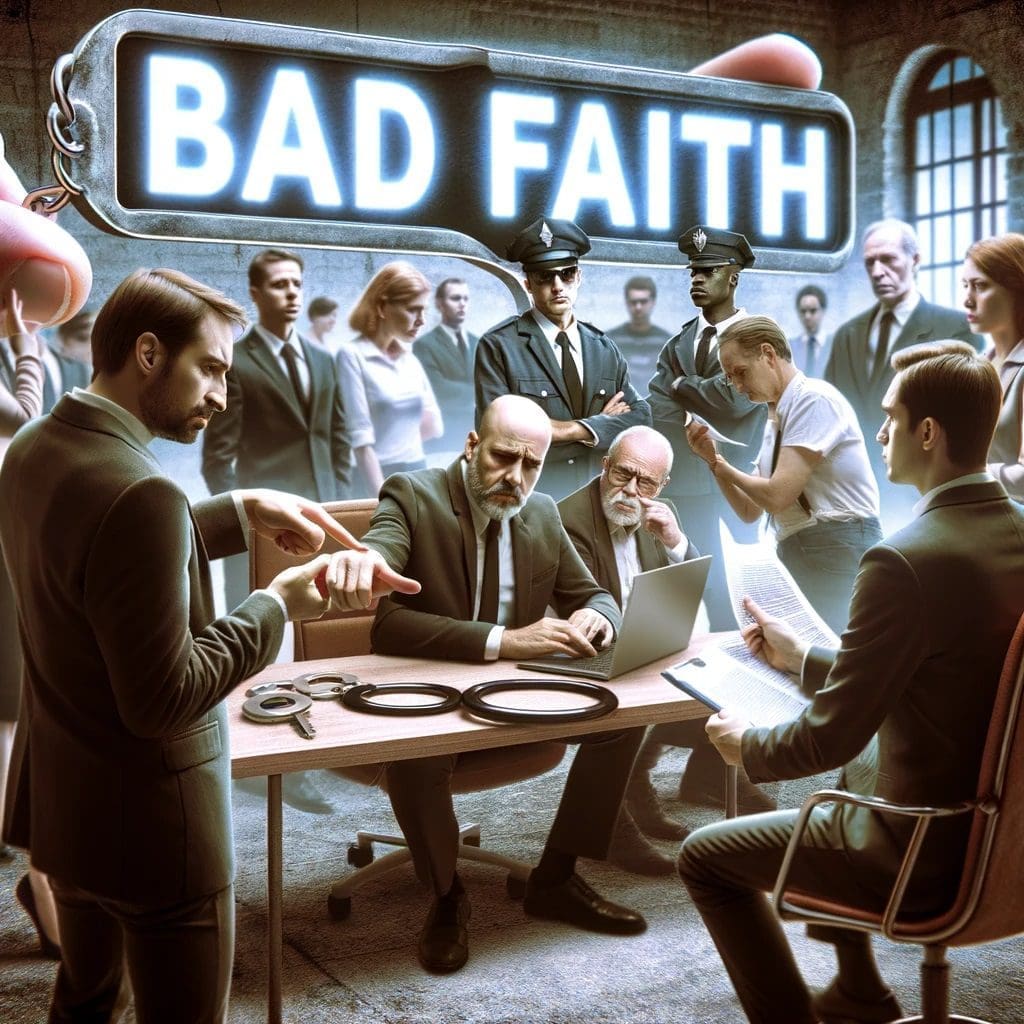
The Impact of Bad Faith in Legal Practice

Understanding Bad Faith: Its Role in Civil and Criminal Law

Bad faith is the intentional dishonesty or unfair dealing that can trigger civil liability and, in some cases, criminal charges. Courts look for evidence of intent—such as deception, concealment, or willful disregard of legal duties—when deciding remedies or penalties. This article explains how bad faith is defined, where it arises in civil and criminal law,

Understanding Bad Faith: Its Role in Civil and Criminal Law Read More »

Leveraging Favorable Evidence in Law

Exculpatory Evidence: Using Favorable Information in Your Defense

Exculpatory evidence is any information that tends to show a defendant’s innocence or reduce guilt, and prosecutors must disclose it under Brady v. Maryland (1963). If withheld, courts can order remedies such as a new trial or dismissal depending on prejudice. This article explains what qualifies as exculpatory evidence, disclosure obligations, and how defense teams

Exculpatory Evidence: Using Favorable Information in Your Defense Read More »

Seeking Justice for Wrongful Charges

Malicious Prosecution: Legal Recourse for Wrongful Charges

Malicious prosecution claims let you sue for damages when someone initiates criminal or civil proceedings against you without probable cause and with malice, and the case ends in your favor. These lawsuits can recover losses such as legal fees, lost income, reputational harm, and emotional distress, but they require specific proof and are often time-limited.

Malicious Prosecution: Legal Recourse for Wrongful Charges Read More »

Evidence Withholding in Legal Practice

Brady Violations: When Prosecutors Withhold Evidence

A Brady violation occurs when prosecutors fail to disclose material evidence favorable to the defense under Brady v. Maryland. This can warrant a new trial, dismissal, or other relief if the suppression undermined trial fairness. This article explains the Brady rule, what counts as “material” evidence, and steps defendants can take. The integrity of our

Brady Violations: When Prosecutors Withhold Evidence Read More »

When Misconduct by Prosecutors Demands Dismissal

Prosecutorial Misconduct: Grounds for Case Dismissal

Prosecutorial misconduct can justify case dismissal when it causes a due process violation or irreparable prejudice, and courts can dismiss charges with prejudice. Common misconduct includes withholding exculpatory evidence (Brady), improper arguments, and witness tampering. This article explains key grounds, legal standards, and remedies defendants can seek. Prosecutorial misconduct is a serious issue in the

Prosecutorial Misconduct: Grounds for Case Dismissal Read More »

Navigating the Impact of Mistrials in Court

Mistrial in Criminal Cases: Causes and Consequences

A mistrial in criminal cases ends the trial early and makes the proceedings legally invalid before a verdict. It commonly occurs due to a hung jury, juror misconduct, prosecutorial/defense error, or prejudicial evidence that undermines fairness. This article explains key causes, immediate court steps, and consequences like retrial, dismissal, or plea negotiations. A mistrial in

Mistrial in Criminal Cases: Causes and Consequences Read More »

Navigating the Appeals Journey

Criminal Appeals Process: Fighting a Wrongful Conviction

A criminal appeal asks a higher court to review a conviction for legal error and can result in a new trial, a modified sentence, or reversal of the conviction. Appeals are time‑sensitive and focus on mistakes in the trial record—such as improper rulings, flawed jury instructions, or insufficient evidence—rather than new testimony. This article explains

Criminal Appeals Process: Fighting a Wrongful Conviction Read More »

Scroll to Top