Public Awareness

Explore a wealth of resources designed to enhance understanding of crucial legal issues and developments. Visitors will find articles, video interviews, and glossary definitions that illuminate complex topics such as consumer rights, regulatory changes, and landmark court decisions. This section serves as an informative hub for those seeking to stay informed about the legal landscape without seeking specific legal advice.

How Can Victims Get a Restraining Order Quickly?

Victims can often get a restraining order quickly by requesting an emergency or temporary order, which many courts can issue the same day. A local domestic violence attorney or advocate can help file fast, prepare evidence, and arrange safe service on the abuser. This article explains civil and criminal options, victim rights, and resources to […]

How Can Victims Get a Restraining Order Quickly? Read More »

Conservation Experts in Action: Enforcing Wildlife Bag Limits

Are State and Federal Limits Different Now?

Yes—state and federal bag limits can differ now, and in federal-regulated zones (like migratory birds) the federal limit sets a baseline and states can be stricter. Rules also vary by species, season, and management area, and violations can trigger fines, license loss, or federal charges. This article explains what bag limits are, who sets them,

Are State and Federal Limits Different Now? Read More »

Professionals Delving into Badger Game Tactics in Law Office

Why Was the Badger Game Popular in the 1920s?

The badger game gained popularity in the 1920s because Prohibition and booming urban nightlife created more vulnerable “vice” encounters, making blackmail easy and profitable. Hotels offered anonymity and victims feared scandal, so many paid rather than report it. This article explains the scheme’s origins, how it worked, and how modern law treats related extortion. The

Why Was the Badger Game Popular in the 1920s? Read More »

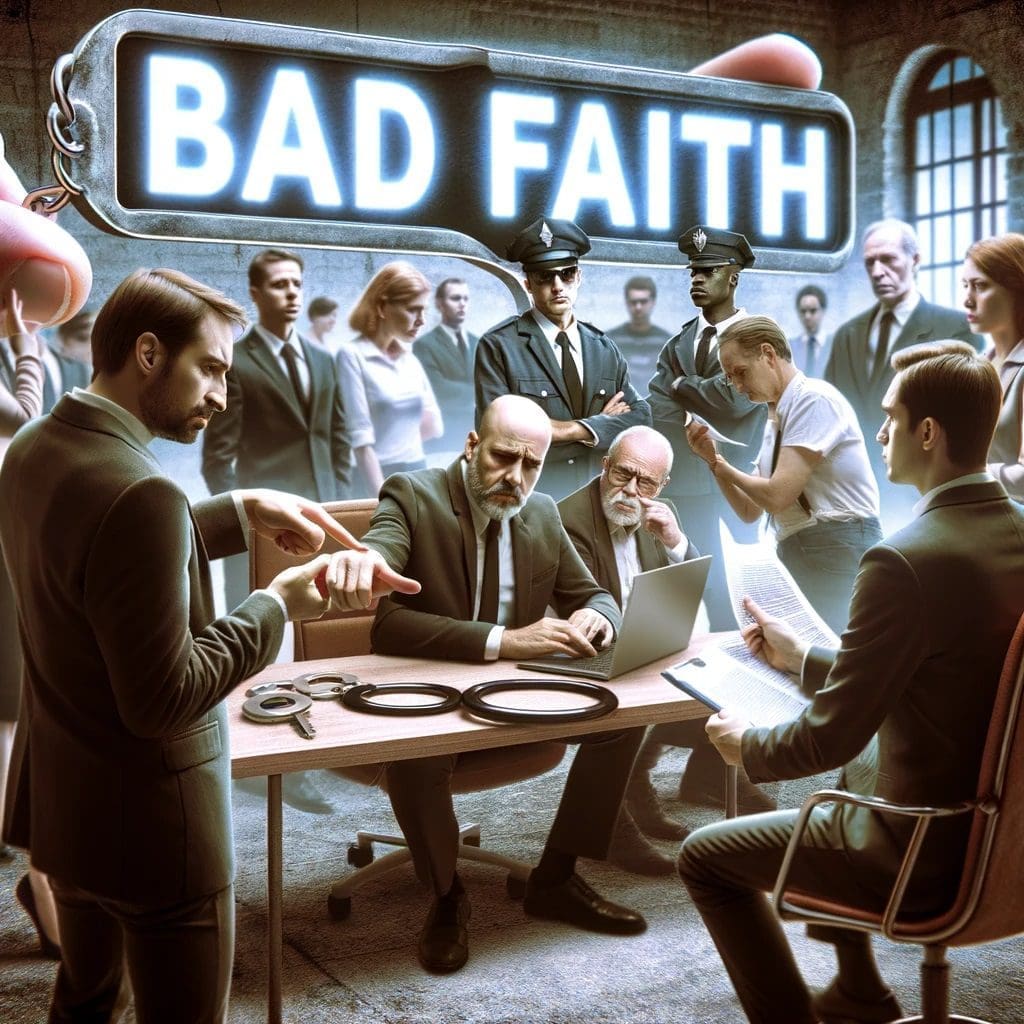
The Impact of Bad Faith in Legal Practice

Understanding Bad Faith: Its Role in Civil and Criminal Law

Bad faith is the intentional dishonesty or unfair dealing that can trigger civil liability and, in some cases, criminal charges. Courts look for evidence of intent—such as deception, concealment, or willful disregard of legal duties—when deciding remedies or penalties. This article explains how bad faith is defined, where it arises in civil and criminal law,

Understanding Bad Faith: Its Role in Civil and Criminal Law Read More »

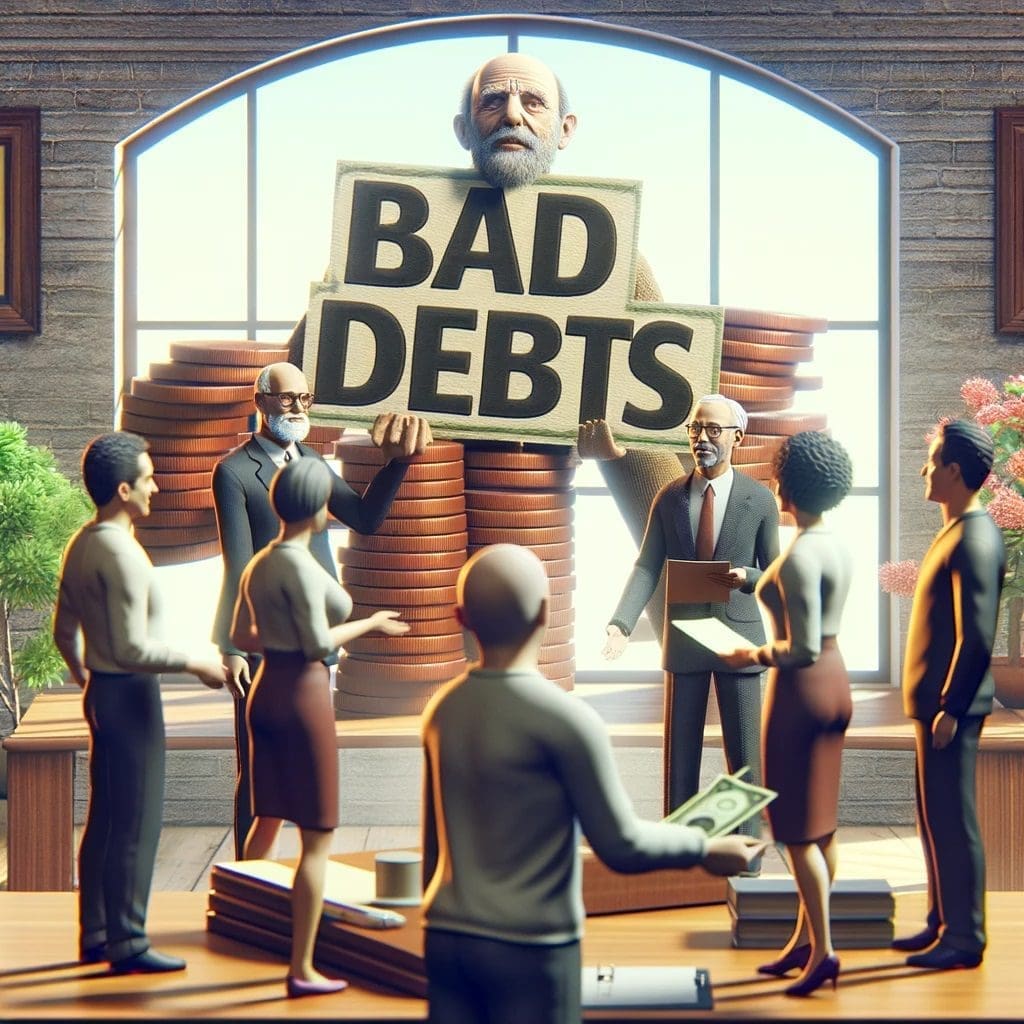
Real-Life Interactions with Bad Debts: A Visual Representation

What Happens If Debtors Ignore Court Orders?

If debtors ignore court orders, they can face contempt of court, fines, arrest warrants, and stronger collection actions such as wage garnishment or bank levies. Courts may view noncompliance as willful, escalating penalties and limiting defenses, especially after missed hearings or ignored discovery. This article explains common orders in debt cases, what creditors can request,

What Happens If Debtors Ignore Court Orders? Read More »

Professional Legal Meeting on Bail in Error and Its Consequences

Bail in Error: How Do You Challenge Incorrect Bail Decisions?

You can challenge an incorrect bail decision by requesting a bail review or appeal in the appropriate court, often on grounds like legal error, new evidence, or changed circumstances. Bail outcomes can be reversed when the original decision misapplied the law or overlooked key facts affecting flight risk or public safety. This article explains who

Bail in Error: How Do You Challenge Incorrect Bail Decisions? Read More »

Scroll to Top