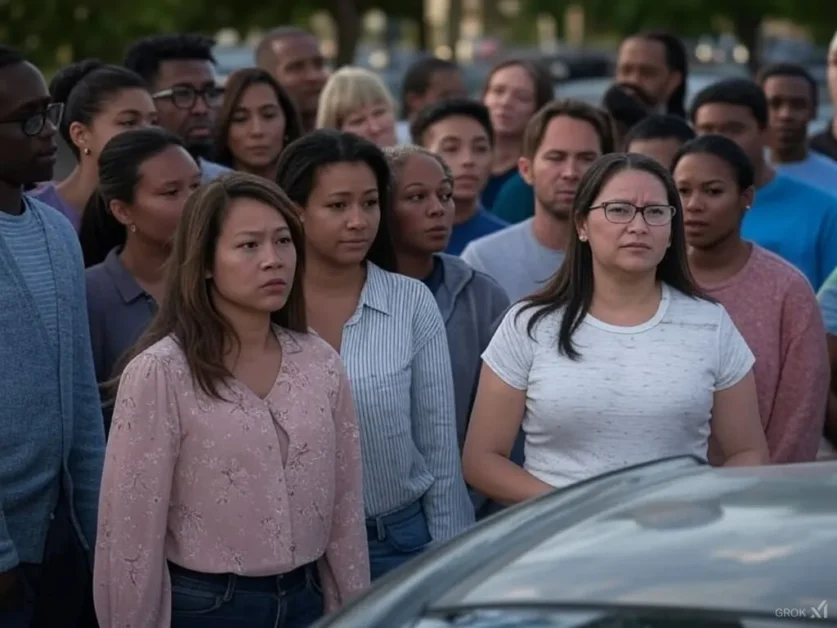
witness statements

Explore comprehensive insights into the role of witness statements in legal proceedings, featuring expert interviews and detailed articles. Visitors will find information on how these statements are prepared, their impact on court cases, and the process of collecting testimony from witnesses. This section serves as a valuable resource for understanding the intricacies of testimony in the context of evidence and litigation.

Indiana Personal Injury? Master 3 Key Evidence Preservation Principles to Win Your Case

3 Principles to Evidence Preservation in Indiana Personal Injury Cases

In Indiana personal injury cases, the 3 core evidence preservation principles are document immediately, preserve physical/digital proof, and send preservation (spoliation) letters promptly. Quick action helps prevent lost data, repairs, overwrites, or destroyed items that can weaken liability and damages proof. This article explains practical steps to secure and protect key evidence under Indiana law.

3 Principles to Evidence Preservation in Indiana Personal Injury Cases Read More »

Understanding Car Accident Claims and Legal Rights

Car Accident Report: How It Impacts Your Legal Claim

A car accident report can significantly strengthen your claim by providing an official, time-stamped record of the crash, parties involved, and cited violations. Insurers and attorneys rely on it to assess fault, verify injuries, and support damages. This article explains what reports include, how to get one, and how errors can affect compensation. In the

Car Accident Report: How It Impacts Your Legal Claim Read More »

Legal Support for Hit and Run Accident Victims

Hit and Run Accident: Legal Steps for Victims

After a hit and run accident, victims should take 5 key steps: call 911, get medical care, document the scene, find witnesses, and report promptly to police and insurers. These actions preserve evidence and protect your ability to seek compensation even if the driver is unidentified. This article explains the legal steps, claims options, and

Hit and Run Accident: Legal Steps for Victims Read More »

Immediate Steps After Car Collision Explained

Car Accident Checklist: What to Do Immediately After a Collision

After a car accident, prioritize safety, call 911, exchange information, document the scene, and notify your insurer—ideally within 24 hours. Taking these steps quickly can protect your health, strengthen any insurance or injury claim, and prevent costly mistakes. This article provides a step-by-step collision checklist, including what to say and do at the scene, evidence

Car Accident Checklist: What to Do Immediately After a Collision Read More »

Essential Evidence for Personal Injury

What evidence do I need to support a personal injury compensation claim?

To support a personal injury compensation claim, you typically need medical records, evidence of how the accident happened (photos/video, witness statements, police or incident reports), and proof of financial losses like payslips and receipts. Strong, contemporaneous documentation helps establish liability, causation, and the value of your damages. This article explains the key types of evidence

What evidence do I need to support a personal injury compensation claim? Read More »

Essential Post-Collision Evidence for Claims

Maximizing Your Claim: Car Accident Evidence to Gather Post-Collision

Collect at least 7 essentials after a crash: scene photos/video, vehicle damage shots, injuries photos, witness contacts, the police report number, insurance details, and same-day medical records. This evidence helps prove fault, document damages, and counter insurance disputes. This article explains exactly what to gather, how to do it safely, and what to request later.

Maximizing Your Claim: Car Accident Evidence to Gather Post-Collision Read More »

Gathering Proof for Your Accident Lawyer in CA

As a California Motor Vehicle Accident Lawyer, What Evidence Should I Collect for My Motor Vehicle Accident Lawyer After an Accident?

Collect at least 8 key items: scene/vehicle photos, driver/insurance details, police report number, witness contacts, medical records, repair estimates, bills/lost wages, and dashcam/phone data. Preserve everything and report the crash promptly, because evidence can disappear quickly in California. This article explains what to gather, how to document it, and how it supports your claim. If

As a California Motor Vehicle Accident Lawyer, What Evidence Should I Collect for My Motor Vehicle Accident Lawyer After an Accident? Read More »

How Slip & Fall Lawyers Build Your Case

How Do Slip and Fall Lawyers Gather Evidence for My Case?

Slip and fall lawyers typically collect 6 key evidence types: scene photos/video, incident reports, witness statements, surveillance footage, medical records, and maintenance logs. They secure time-sensitive proof fast and often use experts to link hazards to your injuries and damages. This article explains what evidence matters, how it’s obtained, and how it supports liability and

How Do Slip and Fall Lawyers Gather Evidence for My Case? Read More »

Lawyer Discussing Slip and Fall Case Evidence with Client

What Evidence Should I Collect for My Slip and Fall Lawyer After an Accident?

Collect at least 7 types of evidence: scene photos/video, hazard close-ups, incident report, witness contacts, medical records, clothing/shoes, and surveillance/maintenance logs. These prove the dangerous condition, notice, and your injuries and damages. This article explains what to gather, why it matters, and legal steps to protect your claim. Navigating the aftermath of a slip and

What Evidence Should I Collect for My Slip and Fall Lawyer After an Accident? Read More »

Scroll to Top