wrongful termination

Explore comprehensive content addressing wrongful termination, where you’ll find video interviews with employment attorneys, detailed articles on employee rights, and explanations of legal remedies available for unjust dismissals. Our resources provide insights into the legal definitions and distinctions between lawful termination and potential discrimination or retaliation in the workplace. Discover valuable information to better understand your rights under employment law, all while ensuring informed decisions without offering specific legal advice.

Severance package negotiation contract clauses

Severance Package Negotiation – The 7 Clauses Worth Real Money

Severance package negotiation can often increase total payout by 10–50% by improving pay, benefits, and tax treatment. Employers commonly expect edits to releases, noncompetes, confidentiality, and timing, especially for higher-risk terminations. This article explains 7 severance clauses that are worth real money and how to negotiate them. What Most People Don’t Know About Severance Agreements […]

Severance Package Negotiation – The 7 Clauses Worth Real Money Read More »

Cannabis leaf beside a briefcase and gavel

Can You Lose Your Job for a Legal-State Weed Habit? The Answer Depends.

Yes—depending on where you work, you can be fired even for legal-state cannabis use. In most states, at-will employment and employer drug-free policies allow discipline, especially for safety-sensitive roles or federal contractors. This article explains which state laws protect off-duty use, when testing is allowed, and key exceptions. The Short Answer: Yes, You Can If

Can You Lose Your Job for a Legal-State Weed Habit? The Answer Depends. Read More »

Workplace drug policy vs. state cannabis laws

Drug-Free Workplace Laws vs. State Legalization — Who Wins?

Federal drug-free workplace rules can still require testing and discipline even in states that have legalized marijuana, especially for DOT-regulated or federal contractor employers. However, several states limit adverse action for lawful off-duty cannabis use and impose notice, accommodation, or testing-procedure requirements. This article explains which laws control, where conflicts arise, and how employers can

Drug-Free Workplace Laws vs. State Legalization — Who Wins? Read More »

Empty office chair at abandoned desk

The ‘Quiet Firing’ That May Actually Be Illegal Constructive Discharge

Quiet firing can be illegal if it amounts to constructive discharge—working conditions become so intolerable a reasonable employee would resign. Courts look at severity, duration, and whether the employer intended or knew the employee would likely quit. This article explains red flags, evidence to document, and when to talk to an employment lawyer. When “Quiet

The ‘Quiet Firing’ That May Actually Be Illegal Constructive Discharge Read More »

Boss demanding employee's social media password

If Your Boss Asks for Your Social Media Password, This Is Illegal in 28 States

In 28 states, it’s illegal for an employer to demand your social media password. These laws generally ban password requests and forced access to private accounts, though exceptions may apply for investigations or employer devices. This article explains where the bans apply, what conduct is prohibited, and what to do if your boss asks. Your

If Your Boss Asks for Your Social Media Password, This Is Illegal in 28 States Read More »

Fired employee reviewing wrongful termination rights

The ‘At-Will’ Employment Myth That Lets You Sue After Being Fired

At-will employment has at least 3 major exceptions that can make a firing illegal: discrimination, retaliation, and breach of contract. Even in at-will states, federal and state laws protect workers from being terminated for protected reasons. This article explains the at-will rule, the most common exceptions, and when to contact an employment lawyer. What Most

The ‘At-Will’ Employment Myth That Lets You Sue After Being Fired Read More »

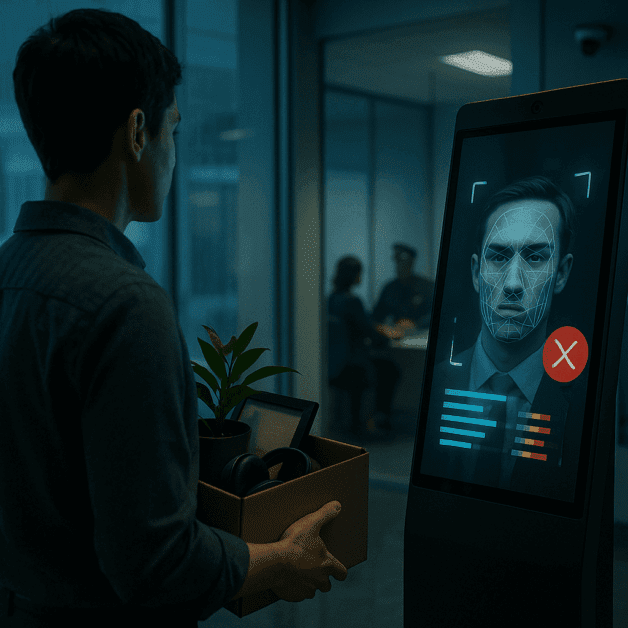
Facial recognition algorithm scanning a human face

Can You Be Fired Because an Algorithm Didn’t Like Your Face?

Yes—facial recognition and AI scoring can factor into termination decisions, and at least 20 U.S. states plus D.C. have biometric privacy laws that may limit such use. If an algorithm triggers firing, employers still must comply with anti-discrimination and privacy rules, and flawed tools can create liability. This article explains when AI-based firing may be

Can You Be Fired Because an Algorithm Didn’t Like Your Face? Read More »

Wrongful termination concept with gavel and documents

What is wrongful termination?

Wrongful termination is when an employer illegally fires you—for example, for discrimination, retaliation, or refusing to break the law. It can violate federal or state statutes, public policy, or an employment contract, even in “at-will” workplaces. This article explains the most common grounds for wrongful termination, warning signs and evidence to gather, deadlines to act,

What is wrongful termination? Read More »

Employee being dismissed from office desk

What is wrongful termination?

Wrongful termination is when an employer fires you for an illegal reason, such as discrimination or retaliation, despite at-will employment rules. Federal and state laws and, sometimes, contracts or company policies can limit when a firing is lawful. This article explains the definition, common illegal reasons, and steps to protect your rights. Wrongful termination happens

What is wrongful termination? Read More »

Legal Experts and Employees Engage in Backpay Award Discussions

Where to Find Expert Legal Help for Backpay Claims?

In the realm of employment law, backpay awards stand as a critical remedy for employees who have suffered from wage violations or wrongful termination. These awards represent the wages that an employee should have earned but did not receive due to an employer’s unlawful actions. Understanding the nuances of backpay in both civil and criminal

Where to Find Expert Legal Help for Backpay Claims? Read More »

Scroll to Top