
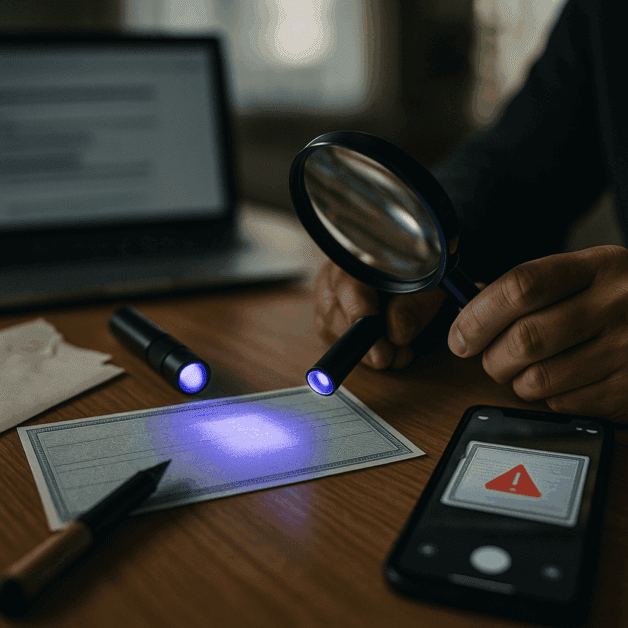
The Fake Check Scam Surging in 2026 — And How to Spot It Instantly
Fake check scams are surging in 2026, driving check-fraud losses into the billions nationwide. Scammers use realistic counterfeit checks and pressure tactics to trick victims into sending “refunds” before banks reverse the deposit. This article explains instant warning signs, safe steps to take, and when to get legal help.
What’s Happening Right Now With Fake Checks
Fake check scams are not new, but in 2026, they have come back stronger than ever. Scammers have gotten smarter, their fake checks look more real, and more people are falling for them every single day. According to financial watchdog groups, losses from check fraud have climbed into the billions, hitting everyday people, small businesses, and even experienced professionals.
If you have ever received an unexpected check in the mail or as part of an online deal, you need to read this. Understanding how this scam works could save you from losing thousands of dollars — and a lot of stress.
How the Fake Check Scam Actually Works
The basic idea behind this scam is simple, but it tricks people constantly because banks play a role that most people do not fully understand.
Here is how it usually plays out:
- You receive a check. It might come through the mail, as part of a job offer, a prize, an online sale, or a business deal. The check looks completely real — it has a bank name, a routing number, a signature, and everything you would expect to see.
- You are asked to deposit it. The person sending the check tells you to deposit it into your bank account right away.
- You are told to send money back. Here is the key part. The scammer asks you to wire money, send a gift card, or transfer funds for some reason — maybe taxes, shipping fees, processing costs, or overpayment.
- The check bounces. Days or even weeks later, your bank discovers the check was fake. By this point, you have already sent your own real money to the scammer.
- You are left responsible. Your bank holds you liable for the deposited amount, and the money you sent to the scammer is gone.
The most painful part? When your bank first processes the check, it may appear to clear. Many people assume that means the check is good. It does not. Banks are required by law to make funds available within a few business days, but actually verifying a check can take much longer.
The Most Common Versions of This Scam in 2026
Scammers use many different cover stories to deliver fake checks. These are the ones showing up most frequently right now:
The Overpayment Scam
You sell something online — maybe a car, furniture, or electronics. The buyer sends you a check for more than the asking price and asks you to wire back the difference. The check is fake. You send real money and never see it again.
The Work-From-Home Job Scam
You apply for a remote job and get hired quickly. Your new “employer” sends you a check to buy supplies or equipment. They ask you to purchase gift cards or send money to a vendor. The check eventually bounces, and you are out whatever you spent.
The Lottery or Prize Scam
You receive notice that you have won a contest. A check arrives to cover your winnings, but you need to pay taxes or a processing fee first. You send the fee. The check bounces. There was never a prize.
The Rental Property Scam
Someone responds to your rental listing with a long-distance story and sends a check for more than the deposit. They ask you to forward the extra amount to a mover or third party. Classic overpayment setup.
The Secret Shopper Scam
You are recruited to evaluate a money transfer service like a wire transfer outlet. You receive a check, deposit it, then wire money as part of your “assignment.” You guessed it — the check is fake.
Why These Checks Look So Real
One of the biggest reasons people fall for this scam is that the checks are remarkably convincing. Technology has made it easy to create fake documents that look professional. Here is what scammers do to make them look legitimate:
- They use real bank names and logos pulled from the internet
- They include valid-looking routing and account numbers
- They use high-quality paper and printing
- They sometimes even steal account information from real businesses to make the check appear to draw from a legitimate source
- They include watermarks and security features that mimic real checks
Even bank tellers have been fooled at first glance. The forgeries today are significantly better than they were even five years ago.
Red Flags That Should Stop You in Your Tracks
Knowing the warning signs is your best defense. If any of these situations apply to a check you have received, treat it as suspicious until you can fully verify it:
- You received a check from someone you do not know. Unexpected checks are almost always trouble.
- The amount is more than what was agreed upon. Overpayment is one of the biggest red flags in existence.
- You are being asked to send money back. No legitimate transaction requires you to deposit a check and then immediately send funds somewhere else.
- There is pressure to act fast. Scammers push urgency to prevent you from thinking clearly or doing research.
- The job, prize, or deal came out of nowhere. If you did not enter a contest or apply for a job, why are you getting a check?
- The request to send money involves gift cards, wire transfers, or cryptocurrency. These methods are favored because they are almost impossible to reverse.
- Communication has been mostly online with no real verification of the other person. Scammers avoid phone calls and video chats for obvious reasons.
What To Do If You Receive a Suspicious Check
Do not deposit it right away. Take these steps first:
- Call the bank listed on the check directly. Look up the phone number yourself — do not use any number printed on the check. Ask them to verify whether the check is legitimate and whether the account it draws from has funds.
- Talk to your own bank. Let your bank know about the check before you deposit it. They can sometimes flag issues faster and give you guidance.
- Wait before spending anything. Even if the funds appear in your account, do not spend or transfer them until the check has fully cleared — which can take weeks, not days.
- Research the sender. Look up the name, company, or contact information connected to the check. A quick online search can often reveal if others have reported the same scam.
- Report it. If you believe the check is fraudulent, report it to the Federal Trade Commission (FTC), your state attorney general, and the U.S. Postal Inspection Service if it came by mail.
If You Have Already Been Scammed
First, do not blame yourself. These scams are designed by professionals who do this full time. They are crafted to be believable, and they have fooled smart, careful people.
Here is what to do immediately:
- Contact your bank right away and explain what happened. Ask them what options are available.
- File a report with the FTC at ReportFraud.ftc.gov
- File a police report with your local department. You may need this for documentation purposes.
- If money was sent via wire transfer, contact the wire company immediately — there may be a small window to stop the transfer.
- If gift cards were used, call the gift card company directly. Some have fraud departments that may help recover funds.
- Keep records of everything — messages, emails, envelopes, the check itself, and any transaction records.
Recovery is difficult, but reporting helps authorities identify patterns, shut down scam operations, and potentially protect others.
Why Banks Cannot Always Protect You
Many people assume their bank will catch the fraud and protect them from loss. Unfortunately, that is not how the law works in most cases. When you deposit a check, you are essentially vouching for it. If the check turns out to be fraudulent, the bank has the legal right to take back those funds from your account — even if you have already spent them.
This is one of the cruelest parts of check fraud. You can end up owing your bank money through no real fault of your own. It is not that banks do not care — it is that the system was not designed to handle today’s level of sophisticated fraud at this speed.
Some banks are now rolling out better fraud detection tools and extended holds on suspicious checks, but the responsibility still largely falls on the account holder.
How to Protect Yourself Going Forward
Banking security starts with building better habits. Here are some practical steps anyone can take:
- Never send money to someone who just sent you a check. This rule alone would prevent the vast majority of fake check scam losses.
- Be skeptical of anything that feels too good to be true. Surprise winnings, unusually high-paying remote jobs, and buyers who overpay all deserve extra scrutiny.
- Wait for full verification before spending. When in doubt, ask your bank how long it will take to fully verify a check — not just make funds available.
- Use secure payment methods for online sales. Services that do not involve checks, or that offer buyer and seller protection, reduce your risk.
- Educate the people around you. Older adults and first-time job seekers are especially targeted. Share what you know.
- Sign up for account alerts. Most banks offer text or email notifications for deposits and withdrawals. Staying aware of your account activity helps you catch problems faster.
The Bottom Line
Fake check scams are surging in 2026 because they work. They take advantage of trust, urgency, and a misunderstanding of how banks process checks. The good news is that once you understand how the scam operates, it becomes much easier to spot and avoid.
The single most important thing to remember is this: if someone sends you a check and then asks you to send money in return — for any reason — stop. That is the scam. Every time.
Protecting yourself from check fraud does not require a finance degree. It just requires a little awareness and the willingness to slow down before acting. In a world where scammers move fast, taking your time is one of the most powerful tools you have.














