
The FTC Just Fined Five Influencers a Combined $11 Million — For This Exact Post
Five influencers were fined a combined $11 million by the FTC for posting deceptive social media endorsements that failed to properly disclose paid relationships. The action signals aggressive enforcement of truth-in-advertising rules against influencers and the brands behind them. This article explains what the post did wrong, the legal standards for “clear and conspicuous” disclosures, and how to avoid similar FTC penalties.
What Happened: A Quick Breakdown
The Federal Trade Commission (FTC) recently made headlines when it fined five social media influencers a combined total of $11 million. The reason? They were promoting products to their followers without clearly disclosing that they were being paid to do so. This case is one of the most significant examples of influencer enforcement the FTC has taken in recent years, and it sends a clear message to anyone making money through social media advertising.
The influencers involved were promoting a product — in this case, a multi-level marketing (MLM) business opportunity — using posts that looked like personal recommendations. To their followers, it seemed like genuine advice from someone they trusted. In reality, these posts were paid advertisements, and none of them included the proper disclosures required by law.
Why Advertising Disclosure Matters So Much
When someone you follow online tells you about a product, you probably trust them. That trust is exactly why brands pay influencers to promote their goods and services. But there is a big difference between a genuine recommendation and a paid one. The FTC requires that influencers make this distinction crystal clear to their audience.
The rules are not new. The FTC has required honest advertising for decades. What has changed is the platform. Social media advertising has exploded, and with it, the number of people who are being paid to promote products without being upfront about it. The FTC has been tightening its grip on this space, and these fines prove they mean business.
Here is what the FTC expects from influencers who are paid to promote anything:
- A clear and obvious disclosure that the post is sponsored or paid for
- The disclosure must be easy to see — not buried in a list of hashtags
- Language like #ad, #sponsored, or “Paid partnership with [Brand]” must be visible
- The disclosure should appear before the “more” button on platforms like Instagram, so followers see it without having to click
- Video content must include verbal or on-screen disclosures that are hard to miss
The Exact Type of Post That Got Them Fined
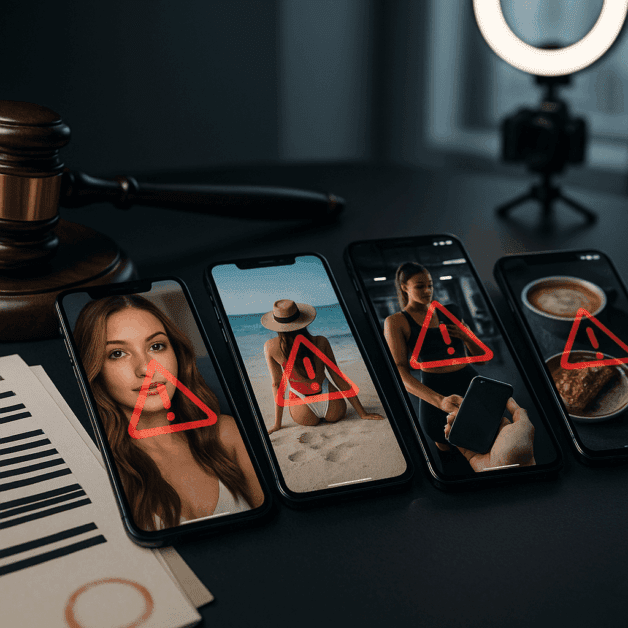
In this particular case, the influencers were sharing posts that looked completely organic. They talked about how a business opportunity had changed their lives, how much money they were making, and encouraged their followers to join. The posts felt personal and relatable — that was the problem.
There was no clear label saying these were paid promotions. Some influencers used vague hashtags or placed disclosures so far down in the caption that most followers would never see them. The FTC determined this was not good enough. Under their guidelines, a disclosure must be impossible to miss. If your average follower could scroll past it without noticing, it does not count.
The posts in question were also making financial claims — suggesting that followers could earn significant income by joining the same program. These kinds of income claims carry extra scrutiny, especially when they come without proper disclosure. Combining misleading financial promises with hidden paid relationships is exactly the kind of behavior the FTC has said it will not tolerate.
Who Were the Influencers Involved?
The five influencers came from different platforms and had audiences of varying sizes. This is an important point: you do not have to be a mega-influencer with millions of followers to face FTC enforcement. Even those with smaller but highly engaged audiences can find themselves in legal trouble if they violate advertising disclosure rules.
The influencers were connected to a company called Outcome Health, though similar cases have involved MLM businesses and other industries where income claims and product testimonials are common. The FTC has been watching these spaces closely, and this case is proof that enforcement actions are real and costly.
How the FTC Decides When to Act
The FTC does not investigate every single paid post on social media. They tend to focus on situations where:
- Large amounts of money are involved
- Misleading or false claims are being made
- Vulnerable audiences, like young people or those struggling financially, are being targeted
- There is a pattern of repeated violations rather than a one-time mistake
- The disclosure failures are obvious and difficult to explain away
In the case of these five influencers, multiple red flags were present. The income claims were exaggerated, the disclosures were either missing or inadequate, and the posts were clearly designed to look like personal testimonials rather than paid advertisements. That combination made this a strong enforcement case for the FTC.
What This Means for Influencers and Brands
If you are an influencer — whether you have 500 followers or 5 million — this case should get your attention. The FTC is not just targeting celebrities or the biggest names in the industry. They are looking at the content itself and whether it follows the rules.
For brands that work with influencers, the responsibility does not end when the contract is signed. Companies can also be held accountable if they encourage or allow influencers to post without proper disclosures. Brands need to make sure that every influencer partnership includes clear guidelines about disclosure requirements.
Here are some practical steps both influencers and brands should take right now:
- Always use clear language — words like “ad,” “sponsored,” or “paid partnership” leave no room for confusion
- Place disclosures at the very beginning of captions or posts, not at the end
- Review platform-specific tools — Instagram, TikTok, and YouTube all have built-in disclosure features that should be used
- Do not rely on hashtags alone — a single #sponsored buried among thirty other tags is not enough
- Train your team — anyone managing social media on behalf of a brand or influencer needs to understand the rules
- Read the FTC guidelines — they are publicly available and written in plain language
The Bigger Picture: FTC Influencer Enforcement Is Growing
This $11 million fine is not an isolated event. It is part of a growing trend of FTC influencer enforcement actions that show regulators are taking social media advertising seriously. In recent years, the FTC has:
- Sent warning letters to hundreds of influencers and brands
- Updated its endorsement guidelines to better address modern social media platforms
- Increased the penalties for violations to make them a real financial deterrent
- Begun looking more closely at video content, stories, and live streams — not just static posts
The message from regulators is simple: the rules that apply to traditional advertising also apply online. Just because something is posted on Instagram or TikTok does not make it exempt from consumer protection laws. The FTC expects every paid promotion to be clearly labeled, every time, no exceptions.
What Followers Can Do
As a consumer and social media user, you have the right to know when you are being advertised to. If you notice an influencer promoting a product without a clear disclosure, you can actually report it to the FTC through their website at reportfraud.ftc.gov. These reports help the FTC identify patterns and prioritize enforcement.
You can also protect yourself by being a more skeptical consumer. When an influencer raves about a product, ask yourself whether they disclosed a paid relationship. If they did not, their recommendation deserves extra scrutiny.
Final Thoughts
The FTC’s $11 million fine against these five influencers is a landmark moment in the world of social media advertising. It shows that the era of gray areas and vague disclosures is coming to an end. Whether you are a content creator, a brand, or simply someone who follows influencers online, this case is a reminder that honesty in advertising is not optional — it is the law.
The rules around advertising disclosure exist to protect regular people from being misled. Following them is not complicated. A simple, visible label at the top of every paid post is all it takes. For these five influencers, not doing that simple thing cost them a combined $11 million. That is a lesson no one in the industry should ignore.














