
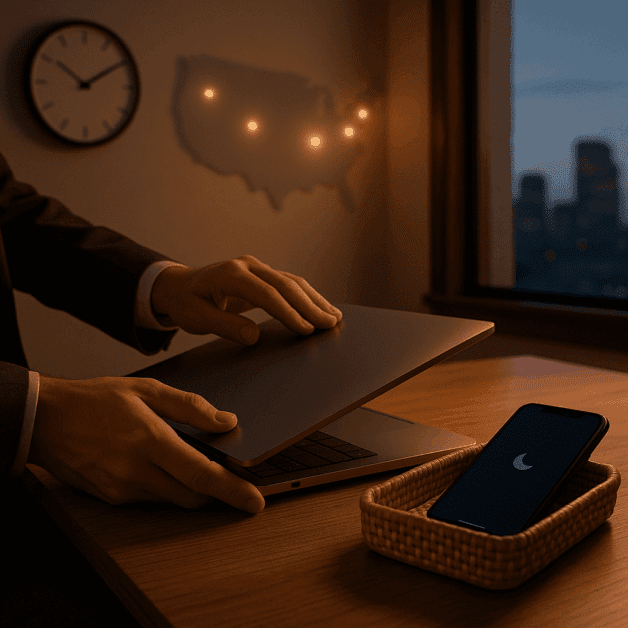
The ‘Right to Disconnect’ Laws Coming to 4 New States in 2026
Four states are set to implement right to disconnect laws starting in 2026. These measures generally let employees ignore after-hours work emails, calls, and texts without retaliation, with limited exceptions. This article explains which states are adopting the rules, what they require, and what employers and workers should expect.
If you’ve ever felt pressure to answer work emails at 10 PM or respond to your boss’s messages on a Sunday morning, you’re not alone. Millions of workers across the United States deal with this kind of always-on work culture every single day. But that could be about to change in a big way. Starting in 2026, four new states are set to introduce “right to disconnect” laws that would give workers a legal right to ignore work communications outside of their scheduled hours.
These new laws are part of a growing movement across the country to protect employees from the pressure of being constantly available. Let’s break down what these laws mean, which states are getting on board, and what it could mean for you and your job.
What Is a ‘Right to Disconnect’ Law?
A right to disconnect law is pretty much exactly what it sounds like. It gives employees the legal right to step away from work-related communications — like emails, phone calls, and text messages — outside of their normal working hours without fear of punishment or negative consequences.
In simple terms, if your workday ends at 5 PM, your employer cannot reasonably expect you to be available at 7 PM. And if you don’t respond to a message sent after hours, your boss can’t penalize you for it.
These laws typically cover:
- Emails sent outside of work hours
- Phone calls and voicemails after hours
- Text messages related to work duties
- Messages sent through workplace apps like Slack or Microsoft Teams
The idea is to draw a clear line between work time and personal time — a line that has become increasingly blurry in the age of smartphones and remote work.
Why Are These Laws Becoming More Popular?
The push for right to disconnect legislation isn’t new. France became one of the first countries in the world to pass such a law back in 2017. Since then, countries including Portugal, Belgium, Ireland, Spain, and Australia have followed suit. Now, American states are starting to catch up.
The reason these laws are gaining traction comes down to one word: burnout. Research has consistently shown that workers who can’t mentally clock out from their jobs suffer from higher levels of stress, anxiety, and exhaustion. Over time, this affects not just personal health but also job performance and employee retention.
A few key factors are driving this trend:
- Remote work growth: The rise of working from home during and after the pandemic made it harder to separate work life from home life.
- Smartphone culture: Most employees carry work tools in their pockets 24/7, making it easy for employers to reach them at any time.
- Mental health awareness: More people are openly talking about workplace stress and demanding better protections.
- Worker advocacy: Labor groups and employee rights organizations have been pushing state lawmakers to act.
Which 4 States Are Introducing These Laws in 2026?
While specific bill language and final details can shift as legislation moves through state government processes, the following four states have active proposals or confirmed plans to introduce right to disconnect laws effective in 2026:
1. California
California has long been a leader when it comes to worker protections, so it makes sense that the state is among those moving forward. Proposed legislation in California would require employers to clearly outline working hours in employment contracts and prohibit them from penalizing employees who don’t respond to communications outside those hours. Given California’s massive workforce and tech-heavy economy, this law would have a wide impact.
2. New York
New York has been working on right to disconnect legislation for several years, and 2026 may finally be the year it becomes law. The proposed New York bill focuses heavily on employees in large companies and would require businesses to develop written policies about after-hours communications. Workers who feel their rights have been violated would have a path to file a formal complaint.
3. Illinois
Illinois has been steadily building its worker rights framework, and a right to disconnect bill is moving through the state legislature. The Illinois version of the law is expected to include protections for both full-time and part-time workers, making it more inclusive than similar proposals in other states.
4. Washington
Washington state, home to major employers like Amazon and Microsoft, is also getting ready to introduce its own version of this law. The Washington proposal would apply to companies above a certain size and would require them to establish clear after-hours communication policies that are shared with all employees.
What Would These Laws Actually Require Employers to Do?
The specific details vary from state to state, but most right to disconnect laws share a few common requirements. Here’s what employers in these states would generally need to do:
- Create a written policy: Companies would need to put in writing when employees are and aren’t expected to be reachable.
- Share that policy with workers: It’s not enough to have a policy — employees need to know about it.
- Avoid penalizing workers: If an employee doesn’t respond to a message after hours, that cannot be used against them in performance reviews or disciplinary actions.
- Make exceptions clear: Most laws recognize that true emergencies exist. Employers would need to define what counts as an emergency that justifies after-hours contact.
It’s worth noting that these laws don’t ban employers from sending after-hours messages. They just protect employees from being punished for not responding to them.
What Does This Mean for Workers?
For everyday employees, these laws could bring some real and meaningful changes. Here’s how workers could benefit:
- Less stress: Knowing you’re legally protected from after-hours demands can reduce anxiety and allow you to truly rest during your personal time.
- Better sleep: Studies show that work-related notifications in the evening disrupt sleep patterns. A legal right to ignore them could improve sleep quality.
- Healthier relationships: When you’re not mentally at work during family dinners or weekend outings, your personal relationships can improve.
- Clearer expectations: Required employer policies mean everyone — both bosses and workers — knows the rules from day one.
Will Employers Push Back?
The short answer is yes, some will. Business groups have raised concerns that right to disconnect laws could hurt productivity and make it harder for companies to operate in fast-moving industries. Some argue that flexibility goes both ways — if employees can occasionally work outside of hours, they should also be reachable outside of hours.
However, supporters of these laws argue that the data tells a different story. Well-rested, less-stressed employees are actually more productive, not less. Countries that have implemented these laws haven’t seen major drops in business performance. Instead, many have reported improvements in employee satisfaction and lower turnover rates.
It’s also worth pointing out that most proposals include reasonable exceptions for genuine emergencies, so businesses aren’t being left completely without options.
How Does the U.S. Compare to Other Countries?
The United States has been slower than many other developed nations to address this issue at a legal level. While countries across Europe and Australia have already put national or regional laws in place, the U.S. has largely left it up to individual employers to set their own policies — with mixed results.
The movement happening at the state level in 2026 represents a shift in thinking. Rather than waiting for federal action, states are stepping up to give workers the protections that other countries have already recognized as important.
Some key international examples include:
- France: Workers at companies with more than 50 employees have had the right to disconnect since 2017.
- Portugal: Employers are banned from contacting employees outside of work hours and can face fines for doing so.
- Australia: A national right to disconnect law took effect in 2024, giving employees the right to refuse unreasonable after-hours contact.
- Belgium: Civil servants and private sector workers alike have formal protections against after-hours work communication.
What Should Workers Do to Prepare?
If you live in one of the four states introducing these laws, here are a few practical steps you can take to be ready:
- Stay informed: Follow local news and your state legislature’s website to keep up with how the law develops in your state.
- Know your rights: Once a law passes, take time to read what it covers and what protections it gives you.
- Talk to your employer: If your company doesn’t already have an after-hours communication policy, ask about one. You don’t have to wait for a law to have that conversation.
- Document any issues: If you currently feel pressured to work after hours, keep a record. This could be helpful if you ever need to file a complaint later.
- Connect with your union or HR department: These resources can help you understand how new laws apply to your specific workplace.
The Bigger Picture
The right to disconnect movement is about more than just work emails. It reflects a broader shift in how we think about the relationship between employers and employees. For too long, technology has given companies unlimited access to their workers, and many workers have felt unable to say no — even when they legally could.
These new state laws are a signal that work-life balance is not just a personal goal but a public policy priority. They acknowledge that workers are human beings with lives outside of their jobs, and that protecting personal time is good for individuals, families, and communities alike.
As 2026 approaches, workers in California, New York, Illinois, and Washington have reason to look forward to a potential change in the way their evenings, weekends, and personal time are treated by their employers. And other states may not be far behind.
The always-on work culture may finally be meeting its match — and that could be a very good thing for millions of American workers.














